Brown-Forman has halted production at Slane Irish Whiskey Distillery in County Meath for multiple years, citing weak market conditions. Existing stock will sustain the brand, but the pause signals a broader Irish whiskey category correction with long-term supply implications.
Slane Irish Whiskey Production Halted Indefinitely by Brown-Forman
Brown-Forman, the Louisville-based spirits giant behind Jack Daniel's and Woodford Reserve, has suspended whiskey production at its Slane Irish Whiskey Distillery in County Meath for what the company describes as "the next number of years," citing the need to align output with current market conditions. The move is significant signals yet that the post-pandemic Irish whiskey boom has run into serious headwinds, with major producers now choosing to draw down existing stock rather than add new make spirit to already-swelling warehouses. For cask investors, blenders, and trade buyers tracking Irish whiskey supply, this is a development that demands close attention. A production pause of multiple years at a brand-backed distillery is not a routine operational tweak — it is a strategic retreat that will shape Slane's liquid pipeline well into the 2030s.
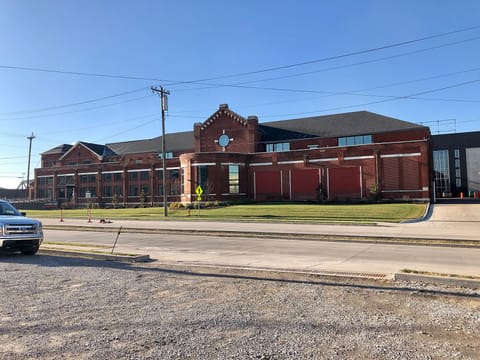
Slane Distillery sits within the grounds of Slane Castle in County Meath, a site owned by the Conyngham family and developed in partnership with Brown-Forman, which invested heavily in the facility when it opened in 2017. The distillery was designed to produce triple-distilled Irish whiskey across pot still, malt, and grain styles, with the ambition of building a premium, provenance-led brand capable of competing with the likes of Jameson and Teeling in the international premium segment. Brown-Forman committed significant capital to the castle site, including visitor experience infrastructure, and positioned Slane as a cornerstone of its Irish whiskey ambitions. That long-term vision has not been abandoned, but the pace of production is now being subordinated to the realities of an oversupplied and softening global whiskey market.
Why the Irish Whiskey Market Is Under Pressure Right Now
Irish whiskey had dramatic growth runs of any spirits category in the 2010s, with global volumes expanding rapidly and dozens of new distilleries opening across the island. That expansion was predicated on sustained consumer demand growth, particularly in the United States, which remains the single most important export market for Irish whiskey. However, US spirits depremiumisation has seen value sales fall 5.7% in 12 months, and the broader American whiskey downturn has created a ripple effect across all imported whiskey categories. Consumer spending caution, post-pandemic normalisation of at-home drinking, and inflationary pressure on discretionary purchases have all contributed to a more difficult trading environment. Irish whiskey is not uniquely exposed, but it is particularly vulnerable because so much of its recent growth was built on optimistic volume projections that assumed the boom would continue.
Brown-Forman itself has been navigating a challenging period at the corporate level. The company has faced pressure from investors and has been the subject of significant industry speculation, including reports that it spurned a $15 billion takeover bid from Sazerac and more recently formally rejected Sazerac's $15bn takeover approach. Against that backdrop, capital discipline and inventory management have become priorities across the Brown-Forman portfolio. Pausing production at Slane allows the company to reduce operational costs at the distillery while continuing to sell through existing aged stock — a rational response when warehouses hold sufficient liquid to sustain brand continuity for several years. The decision reflects a company-wide posture of caution rather than any specific failure of the Slane brand itself.
What a Multi-Year Production Pause Means in Practice
For the Slane brand, the immediate commercial impact may be limited. The distillery has been operating since 2017, meaning its oldest spirit is now approaching nine years of age — sufficient to support a range of age-stated and non-age-stated expressions through the pause period. Irish whiskey does not require the same minimum maturation periods as Scotch single malt, but premium positioning increasingly demands aged liquid, and a multi-year production gap will constrain the brand's ability to launch new expressions or scale volume in the mid-2030s without drawing on third-party sourced spirit. Blenders and brand developers should note that any Slane liquid maturing in cask right now becomes incrementally more valuable as the production clock stops.
The practical consequences of a production halt of this kind typically include the following:
- Reduced new make spirit entering warehouses — no fresh fills means the existing cask inventory ages without replenishment, tightening future supply windows.
- Operational staff reductions or redeployment — distillery production teams are typically restructured during pauses, with visitor experience and brand functions often maintained separately.
- Cask maturation profile shifts — liquid already in cask continues to develop, and extended maturation beyond original target ages can alter flavour profiles significantly, particularly in first-fill bourbon barrels and sherry casks.
- Third-party sourcing dependency — if demand outpaces existing stock during the pause, the brand may need to source spirit from Irish bulk suppliers, which introduces provenance complexity.
- Brand investment continuity questions — marketing spend and distribution support must be maintained to prevent shelf presence erosion, even without new liquid entering the system.
Slane's core expressions are matured in a combination of virgin American oak, seasoned American oak, and oloroso sherry casks — a triple-cask approach that has become a recognisable signature of the brand. The liquid currently in those casks will continue to develop character, and the pause may ultimately yield older, more complex spirit than originally planned — a potential commercial upside if market conditions improve before the brand needs to restock.
Broader Trade Implications and What to Watch
The Slane pause is not an isolated event. Across the whisky world, producers are recalibrating production volumes in response to the same macro forces. The American whiskey sector has its own well-documented inventory correction underway, and Scottish distilleries have also been managing output carefully. What makes the Slane situation notable is that it involves a well-capitalised multinational making a deliberate, publicly acknowledged decision to stop distilling at a relatively young facility — one that was purpose-built for growth. For those tracking the independent spirits trade and emerging category dynamics, this is a clear signal that the Irish whiskey category is entering a period of consolidation rather than expansion.
The contrast with Belfast's emerging scene is striking. Just as Titanic Distillers' royal visit signals a Belfast whisky renaissance, and while competition results continue to highlight strong value in the Irish whiskey category, the production economics are telling a more cautious story behind the scenes. Smaller, independent Irish distilleries may actually benefit from a reduced production footprint at Slane if it eases competitive pressure on premium shelf space, but they face the same demand-side challenges in the US market. The category's long-term fundamentals remain sound, but the short-to-medium-term supply-demand correction is real and will take years to work through.
A multi-year production pause at Slane is not a brand crisis — it is a supply chain decision with a decade-long tail. The liquid already maturing in those triple-cask warehouses in County Meath will quietly gain age and complexity while the market finds its floor.
For cask investors and trade buyers, the Slane pause reinforces a wider lesson: production decisions made today define supply availability in the mid-2030s. Those monitoring the distillery acquisition and sale market should watch whether Brown-Forman uses this pause period to reassess its long-term commitment to the Slane site, or whether it doubles down on the brand once market conditions stabilise. Brown-Forman's recent corporate positioning — including its response to the Sazerac takeover approach — suggests the company intends to remain independent and manage its portfolio actively rather than divest. Slane, as a premium Irish asset with genuine provenance credentials, is likely considered a long-term hold rather than a disposal candidate. The pause is a pause — not an exit — but its duration will be the key variable to track.
What to Watch: Key Developments Ahead
Trade observers and cask market participants should monitor the following in the months ahead. Brown-Forman's next quarterly earnings calls will likely provide further colour on the duration and scope of the Slane pause, as well as any broader portfolio rationalisation. Watch for any changes to Slane's distribution footprint in the US, which would signal whether the brand is being maintained at current scale or quietly scaled back. Any announcement of new expression launches or age-stated releases from existing stock would indicate that Brown-Forman is actively managing the brand through the pause rather than allowing it to drift. Finally, keep an eye on Irish whiskey bulk pricing — if multiple distilleries reduce or pause production simultaneously, the supply of third-party sourced Irish spirit for independent bottlers and blenders could tighten meaningfully within three to five years. For anyone with a position in Irish whiskey liquid or a brand reliant on sourced Irish spirit, that is the scenario worth modelling now.
Frequently Asked Questions
Why has Brown-Forman paused production at Slane Irish Whiskey Distillery?
Brown-Forman has cited the need to align production with current market conditions. The global whiskey market, particularly in the key US export market, has softened following post-pandemic normalisation and consumer spending caution, leaving many producers with more maturing stock than near-term demand requires.
How long will the Slane Distillery production pause last?
Brown-Forman has stated the pause will last "the next number of years," without specifying an end date. This open-ended framing suggests the decision is demand-driven and will be reviewed as market conditions evolve rather than being tied to a fixed timeline.
Will Slane Irish Whiskey still be available to buy during the production pause?
Yes. Slane Distillery has been operating since 2017 and holds maturing stock across its triple-cask maturation programme using virgin American oak, seasoned American oak, and oloroso sherry casks. Existing inventory is expected to sustain the brand's commercial range throughout the pause period.
What does the Slane production pause mean for the wider Irish whiskey category?
It is a significant signal that the Irish whiskey boom of the 2010s has entered a correction phase. With a well-capitalised multinational choosing to halt production at a purpose-built distillery, the category is clearly in a period of supply-demand recalibration that will influence new make availability and premium pricing dynamics through the early 2030s.
Could Brown-Forman sell Slane Distillery during the production pause?
There is no current indication that Brown-Forman intends to divest Slane. The company has recently rebuffed a major takeover approach and appears focused on active portfolio management rather than asset disposal. Slane's provenance credentials and premium positioning make it a likely long-term hold within the Brown-Forman portfolio.
🥃 Considering whisky casks as an investment? Speak to the Whisky Cask Club team — Singapore-based specialists working with collectors and investors across Asia.