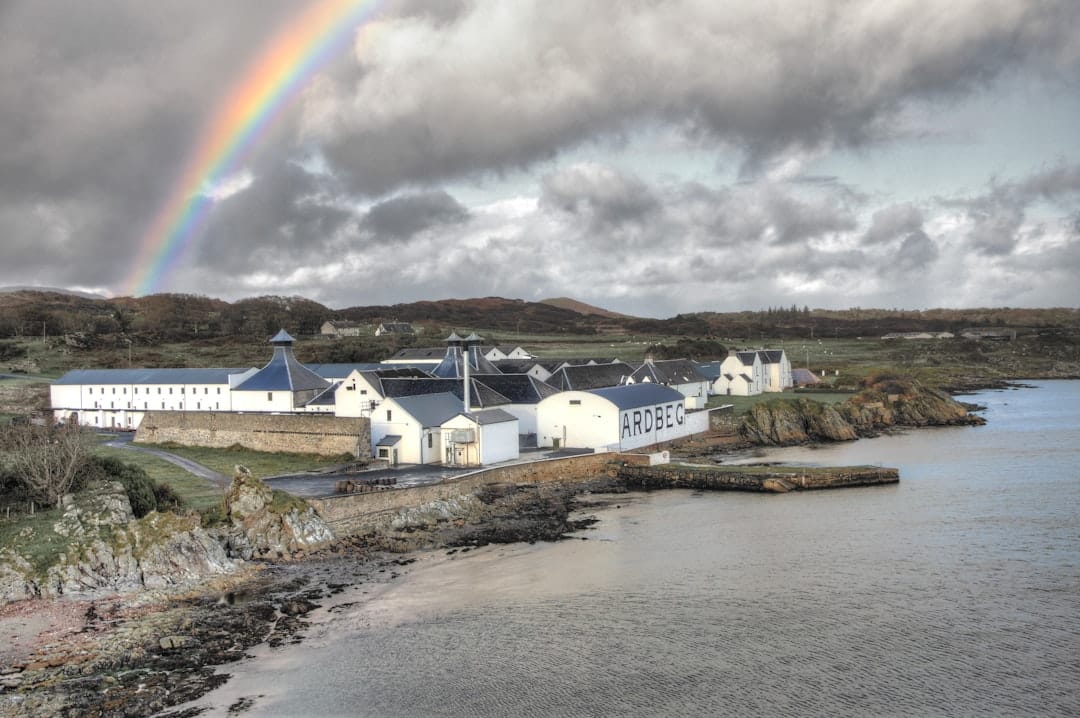
Edinburgh's Independent Spirits Festival showcased 500+ expressions from independent bottlers, signalling strong collector demand for aged single casks, closed-distillery stock, and transparent provenance — with direct implications for auction values and cask market strategy.
Independent Spirits Festival Edinburgh Delivers a Rare Market Signal
More than 500 individual expressions poured across a single weekend in Edinburgh this spring, making the Independent Spirits Festival one of the most concentrated showcases of independent bottling culture anywhere in the British Isles. The event, held at a venue in the heart of Scotland's capital, drew serious collectors, cask brokers, and trade buyers alongside enthusiasts — a crowd composition that tells you something important about where the independent bottler segment is heading. When buyers who move six-figure cask parcels show up at a consumer-facing festival, the line between retail and trade has effectively dissolved. That shift has real implications for pricing, allocation, and the secondary market.
For anyone tracking the cask market or monitoring independent bottler strategy, this festival is not background noise. It is a live data point on which distillery names are generating floor-level excitement, which age statements are drawing queues, and which newer independents are punching above their weight against the established names. If you missed it, the intelligence gathered there will ripple through auction estimates and private treaty deals for months. The auction market for independent bottlings is already reflecting renewed collector appetite, and Edinburgh provided fresh fuel.
What the Festival Floor Revealed About Independent Bottler Strategy
The defining characteristic of the Independent Spirits Festival is its deliberate exclusion of the major distillery-owned brands. Every pour comes from an independent bottler — companies sourcing, maturing, and bottling single casks or small batches without owning the original distillery. Names such as Gordon & MacPhail, Signatory Vintage, Hunter Laing, Douglas Laing, Cadenhead's, and a cluster of newer micro-bottlers all had representation. The breadth of cask types on show — ex-bourbon barrels, sherry butts, port pipes, Madeira drums, and more experimental wine finishes — illustrated how aggressively independents are differentiating on wood policy. That differentiation is increasingly their primary commercial weapon against distillery own-label releases.
Several pours that generated the longest queues were expressions from closed or mothballed distilleries — a perennial draw at independent festivals because no new stock will ever enter the market. Aged expressions from distilleries that ceased production in the 1980s and 1990s were available at cask strength, some north of 50% ABV, drawing collectors who understand that each bottle consumed permanently reduces the available pool. The lessons from major rare whisky auctions apply directly here: scarcity of closed-distillery stock continues to underpin long-term value. For those studying auction dynamics for aged Scotch, the enthusiasm on the festival floor confirmed that demand for these expressions remains structurally robust despite broader spirits market headwinds.
Age statements at the festival skewed older than many trade observers expected. A meaningful number of expressions on pour carried statements of 25 years and above, with several 30-year-old and 40-year-old single casks available by the dram. At a time when NAS releases dominate distillery portfolios, the independent sector's ability to offer verified age is a genuine point of distinction that resonates loudly with serious buyers.
"When buyers who move six-figure cask parcels show up at a consumer-facing festival, the line between retail and trade has effectively dissolved — and auction estimates follow within months."
Key Expressions and Cask Profiles That Defined the Weekend
While a full tasting registry runs to hundreds of entries, several categories stood out as commercially significant for the trade. The following profiles drew the most sustained attention from buyers rather than casual visitors:
- Closed distillery single casks, 30+ years, sherry butt maturation, cask strength (typically 48–54% ABV): Consistently the highest-value pours and the expressions most likely to appear at auction within 12 months of festival exposure.
- Highland and Speyside single casks, 18–25 years, first-fill ex-bourbon hogshead, natural colour, non-chill filtered: The bread-and-butter of the independent sector, but quality variance was notable — the best examples showed the kind of orchard-fruit and waxy complexity that distillery own-label releases at comparable age rarely achieve.
- Islay expressions with alternative wood finishes, 10–15 years: Port pipe and Madeira cask finishes on heavily peated new make drew polarised reactions, but the Kilchoman Maury Cask model has clearly influenced how independents are approaching peated stock from smaller Islay producers.
- Lowland and Campbeltown single casks, 12–20 years: Underrepresented relative to Highland and Speyside, but the expressions on show commanded serious attention from buyers aware of the region's limited independent output.
- English and emerging world whisky single casks: A small but growing presence. English single malt from producers such as Cotswolds is now appearing in independent bottler portfolios, signalling that the sector is no longer exclusively a Scottish affair.
The 10-year sherry butt format from newer Scottish distilleries also featured prominently, reflecting how independents are buying young casks from post-2010 distillery openings and holding them to a commercially viable age. This pipeline of relatively young stock from the distillery-building wave of the 2010s is beginning to mature into genuinely interesting whisky, and independents are well positioned to capture value as it does.
Why the Independent Bottler Sector Is Gaining Strategic Relevance
The broader spirits market is under pressure. US spirits depremiumisation has hit volume-led brands hardest, and the American whiskey downturn has prompted reassessment of inventory across the supply chain. Against that backdrop, the independent Scotch bottler sector is performing with unusual resilience. The reasons are structural: independents carry lower fixed costs than distillery operators, can pivot cask selection quickly in response to market signals, and serve a collector base that is less price-sensitive than the mainstream on-trade. The festival model accelerates this advantage by creating a direct channel between bottler and end buyer, compressing the margin chain and building brand loyalty without retail intermediaries.
The ultra-premium independent bottling model pioneered by operators such as The Last Drop Distillers demonstrates that the ceiling for independent releases is effectively unlimited when provenance and age are verifiable. Edinburgh's festival sits at a different price point but operates on the same fundamental logic: the bottle in your hand carries a story that no blended Scotch or distillery NAS release can replicate. That narrative premium is increasingly bankable. Collectors who understand which expressions to watch at auction are using festivals precisely as research events — tasting before buying, whether at retail or through secondary channels.
The festival also served as an informal barometer for which independent bottlers are investing in quality control and transparent sourcing. Producers who could speak knowledgeably about specific distillery, cask number, fill date, and maturation warehouse generated more sustained buyer interest than those offering vaguer provenance. In a market where collectors are increasingly sophisticated, opacity is a commercial liability. The heritage and transparency that established Scottish distilleries trade on is now the standard that independent bottlers are held to as well.
What to Watch: Key Developments for the Independent Bottler Market
The Edinburgh festival is an annual event, but its commercial consequences play out across a longer timeline. Several developments are worth tracking in the months ahead. The pipeline of 2010s-era distillery stock reaching 12–15 years of age will increase the volume of credible independent releases over the next three to five years, which may compress premiums on younger expressions while reinforcing the scarcity value of older closed-distillery stock. Watch also for consolidation among smaller independent bottlers: the capital required to hold aged casks is substantial, and the M&A dynamics visible in other parts of the spirits sector will eventually reach the independent bottler segment. Meanwhile, the short-term pressure on spirits industry volumes globally makes the independent sector's collector-focused model look increasingly well-calibrated. If you are tracking cask values or building a collection, the expressions that generated queues in Edinburgh this spring are the ones most likely to outperform at auction by autumn. Act on that intelligence before the lot catalogues are published.
Frequently Asked Questions
What is the Independent Spirits Festival in Edinburgh?
The Independent Spirits Festival is an annual event held in Edinburgh that showcases releases exclusively from independent bottlers — companies that source, mature, and bottle whisky without owning the original distillery. It features hundreds of expressions across Scotch, Irish, and world whisky categories, drawing collectors, trade buyers, and cask investors alongside enthusiasts.
Why do independent bottler festivals matter to cask investors?
Festivals like this function as live market research events. The expressions that generate the most sustained buyer interest at festival level tend to outperform on the secondary auction market in subsequent months. Cask investors and collectors use these events to identify which distillery names, age statements, and cask types are building demand before that demand is reflected in auction estimates.
Which cask types are most sought after at independent bottler events?
First-fill sherry butts and ex-bourbon hogsheads from closed or mothballed distilleries consistently command the highest interest. Expressions matured in port pipes, Madeira drums, and wine-finish casks are growing in profile, particularly for peated Islay stock. Age statements of 25 years and above carry a significant premium over NAS releases at comparable price points.
How does the independent bottler sector differ from distillery own-label releases?
Independent bottlers source casks from multiple distilleries, mature them independently, and bottle at cask strength without chill filtration or added colouring in most cases. They are not bound to a single distillery's house style, which allows greater diversity of flavour and cask selection. Their ability to offer verified age statements and closed-distillery stock gives them a distinct advantage over distillery NAS releases in the collector market.
Are English and world whiskies now appearing at Scottish independent bottler festivals?
Yes. English single malt and a small number of world whisky expressions are increasingly present at events historically dominated by Scotch. Independent bottlers are beginning to acquire casks from post-2010 English distilleries as that stock reaches commercially viable age, broadening the category beyond its traditional Scottish base.
🥃 Considering whisky casks as an investment? Speak to the Whisky Cask Club team — Singapore-based specialists working with collectors and investors across Asia.