
Botanical vodka has surpassed 60 new SKUs since 2021, drawing premium consumers away from gin and entry-level single malt. This trade-focused guide covers 10 key bottles, production methods, and what the category shift means for whisky professionals.
Botanical Vodka Is Quietly Reshaping the Premium Spirits Shelf
More than 60 botanical vodka SKUs have launched in the UK and US markets since 2021, according to trade data tracked by ProSpirits, and the category is no longer a curiosity — it is becoming a legitimate challenger to gin on the premium back bar. For whisky trade professionals watching category migration, this matters: the same consumer who once graduated from flavoured vodka to single malt is now pausing at botanical vodka on the way. Understanding where botanical vodka sits in the broader spirits market helps whisky producers and distributors anticipate shelf competition and consumer spending patterns. The category draws on many of the same production philosophies — provenance, botanicals, cask influence — that have driven whisky premiumisation for two decades.
Botanical vodka occupies a deliberately blurred space between traditional neutral spirit and gin. Unlike gin, there is no legal requirement for juniper to dominate the flavour profile, which gives distillers enormous creative latitude. The result is a category that ranges from citrus-forward expressions resting on lemon verbena and yuzu to earthier, almost savoury profiles built on roots, bark, and dried flowers. That breadth is both the category's commercial strength and its communication challenge for on-trade buyers. Where gin built its consumer education around the juniper anchor, botanical vodka has no single flavour signpost — and that ambiguity is proving both liberating and commercially awkward.
How Botanical Vodka Is Made — and Why Production Detail Matters
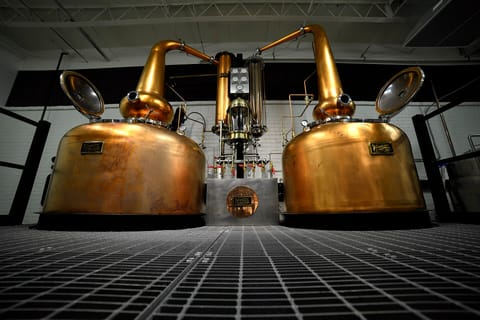
The production distinction between botanical vodka and gin is more than regulatory. Most botanical vodka producers distil their base spirit to the standard vodka threshold of 96% ABV or higher to achieve neutrality, then re-distil or macerate botanicals at lower temperatures to preserve delicate volatile compounds that would be stripped at higher proofs. Some producers use cold maceration exclusively, steeping botanicals for between 24 and 72 hours before a final filtration pass. Others run a second distillation in a small copper pot still, a process that whisky drinkers will recognise as analogous to spirit character development in new make production. The overlap with whisky craft — copper contact, botanical selection, controlled temperature distillation — is not coincidental; many of the producers entering this space are licensed distilleries already operating whisky or gin programmes.
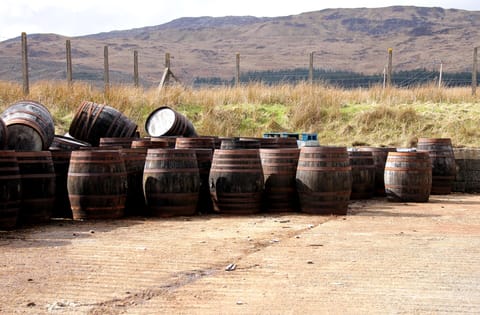
Cask influence is beginning to appear in the category too, with a small number of producers resting finished botanical vodka in ex-bourbon or ex-wine wood for between three and six months — short enough to avoid the colour pickup that would push the spirit into a different legal classification, but long enough to add texture and integrate botanical oils. This is territory that will be familiar to anyone who has followed the Kilchoman Maury cask programme or the broader conversation around alternative wood finishing in Scotch. The techniques are converging, even if the regulatory frameworks remain distinct. For those tracking English single malt's use of sherry casks, the parallels in craft philosophy are striking.
10 Botanical Vodkas Worth Knowing — A Trade Reference List
The following selection covers the range of production styles, price points, and botanical philosophies currently shaping the category. ABV and key botanical profiles are included where verified. This is not a ranking — it is a trade-oriented reference for buyers, distributors, and spirits professionals building a working knowledge of the segment.
- Seedlip Spice 94 (non-alcoholic, 0% ABV): Technically outside the vodka category but frequently cited as the gateway product that normalised botanical complexity in a spirit format. Allspice and cardamom dominant. Relevant context for anyone following the non-alcoholic spirits visibility debate in on-trade venues.
- Absolut Botanik Wild Berry & Juniper (38% ABV): A high-volume entry from Pernod Ricard's flagship vodka brand, signalling that major spirits groups are treating botanical vodka as a mainstream category extension rather than a niche play. Watch for distribution muscle here.
- Cîroc Vodka Summer Watermelon (37.5% ABV): Celebrity-backed and trend-driven, this sits at the accessible end of the spectrum. The celebrity spirits model has parallels in American whiskey — see the Four Walls Whiskey celebrity backing deal for context on how that strategy plays out commercially.
- Reyka Icelandic Vodka with Arctic Botanicals (40% ABV): Provenance-led positioning using Icelandic lava rock filtration and locally foraged botanicals. Strong on-trade narrative for premium cocktail menus.
- Bimber Botanical Vodka (40% ABV): From the London-based Bimber Distillery, which also produces single malt whisky, this expression uses a hand-selected botanical basket and small copper pot distillation. A useful case study in a whisky distillery leveraging existing infrastructure for category diversification.
- Haku Japanese Craft Vodka with Botanicals (40% ABV): Beam Suntory's entry into the botanical vodka space, using Japanese white rice as the base and cherry blossom as a signature botanical. The Japanese provenance angle mirrors the premiumisation narrative driving Japanese whisky's global auction performance.
- Altamura Botanical Vodka (40% ABV): The Altamura Distilleries brand has been actively expanding into new markets, including Japan — a distribution move tracked by Whisky Bulletin — and represents a useful example of a craft producer using botanical vodka as an international calling card.
- Hoxton Coconut & Grapefruit Vodka (40% ABV): Hoxton Spirits, which has announced plans to target 25 global markets in its distribution expansion, has built its brand identity almost entirely on botanical-forward vodka expressions. A commercially instructive model for independent spirits producers.
- Chase Elderflower Vodka (40% ABV): William Chase's Herefordshire distillery uses estate-grown potatoes and locally sourced elderflower. Single-estate provenance storytelling of the kind that Scottish whisky estates are also pursuing.
- Oxley Cold Distilled Botanical Vodka (47% ABV): Produced at a higher bottling strength and cold-distilled at minus five degrees Celsius to preserve botanical freshness. technically differentiated products in the category and a benchmark for premium on-trade listings.
"More than 60 botanical vodka SKUs have launched in UK and US markets since 2021 — the category is no longer a curiosity, it is a legitimate challenger to gin on the premium back bar."
What This Category Shift Means for Whisky Trade Professionals
The growth of botanical vodka is not a direct threat to whisky, but it is a signal about where premium spirits consumers are directing their exploratory spend. The consumer willing to pay £35–£50 for a botanical vodka is the same consumer who buys entry-level single malt — and they are being courted hard by well-funded brands with strong visual identity and accessible flavour profiles. For whisky distilleries with gin programmes already in place, botanical vodka represents a low-capital category extension that can be built on existing botanical sourcing relationships and pot still infrastructure. The US spirits depremiumisation trend, which saw value sales fall 5.7% across twelve months, adds urgency to this diversification question for producers reliant on American export revenue.
Distribution strategy is equally relevant. The brands gaining the fastest on-trade traction in botanical vodka — Hoxton, Bimber, Chase — are operating with lean, targeted distribution models that prioritise premium cocktail bars and specialist independent retailers over supermarket volume. This mirrors the approach taken by craft whisky producers such as Kingsbarns and Old Pulteney in building brand equity before scaling distribution. For whisky trade buyers, the lesson from botanical vodka is that provenance, production transparency, and botanical specificity — values whisky has long championed — are now table stakes across the premium spirits category. The April 2026 spirits launches roundup showed botanical vodka accounting for a disproportionate share of new premium SKUs, a trend worth monitoring through the rest of the year.
The M&A angle is also worth watching. As botanical vodka brands mature and seek scale, acquisition by larger spirits groups becomes probable — a dynamic already playing out in adjacent categories, as the Spendrups acquisition of Umida spirits brands in Sweden illustrates. Whisky investors and cask market participants tracking spirits sector consolidation should treat botanical vodka brand valuations as a leading indicator of where premium spirits M&A appetite is heading next. The broader question of whether the spirits industry faces a structural short-term problem makes category diversification — including botanical vodka — more strategically urgent for producers of all sizes.
What to Watch: Botanical Vodka Trade Signals for the Rest of 2026
Several developments in the botanical vodka space warrant close attention from whisky trade professionals over the coming months. First, watch for further major spirits group launches in the category — Diageo and Brown-Forman have both signalled interest in botanical NPD, and a full-scale botanical vodka launch from either group would accelerate mainstream retail distribution significantly. Second, monitor cask-rested botanical vodka as a potential regulatory flashpoint: if the style gains commercial traction, trade bodies in the UK and EU may be pushed to define minimum wood contact standards, a process that would echo the lengthy debates around Scotch whisky wood policy. Third, track how independent whisky distilleries with existing gin licences report on botanical vodka trial batches in their annual production disclosures — this is where the earliest commercial signals will appear. The category is moving fast enough that waiting for full market data before forming a view is a competitive disadvantage for buyers, distributors, and producers alike.
Frequently Asked Questions
What is botanical vodka and how does it differ from gin?
Botanical vodka is a spirit distilled to vodka proof — typically 96% ABV or higher — with botanicals added through maceration or re-distillation, but without the legal requirement for juniper to be the dominant flavour. Gin must be juniper-forward by law in most jurisdictions. Botanical vodka can therefore use any combination of herbs, flowers, fruits, or roots as its primary flavour profile, giving producers significantly more creative freedom than the gin category allows.
Is botanical vodka relevant to whisky industry professionals?
Yes, for several reasons. The premium consumer demographic overlaps significantly with entry-level single malt buyers. Many botanical vodka producers operate out of licensed distilleries that also produce whisky or gin, meaning the category affects production planning, botanical sourcing, and distribution strategy. M&A activity in botanical vodka also signals broader spirits sector consolidation trends that cask investors and whisky trade buyers should monitor.
Do any botanical vodkas use cask maturation?
A small but growing number of producers are resting botanical vodka in ex-bourbon or ex-wine casks for three to six months. The short maturation period is designed to add texture and integrate botanical oils without imparting significant colour, which would push the product into a different regulatory classification. This technique has direct parallels with short-finish programmes used by whisky producers.
Which major spirits groups are active in botanical vodka?
Pernod Ricard (Absolut Botanik), Beam Suntory (Haku), and William Grant & Sons (Reyka) all have botanical-positioned vodka products in active distribution. Celebrity-backed brands such as Cîroc operate in the accessible tier. Independent producers including Hoxton Spirits, Bimber, and Chase are driving premium positioning and on-trade visibility.
What ABV do most botanical vodkas bottle at?
The majority of commercial botanical vodkas bottle between 37.5% and 40% ABV, in line with standard vodka minimum strength requirements in the EU and UK. Premium and craft expressions occasionally bottle higher — Oxley Cold Distilled Botanical Vodka bottles at 47% ABV — to preserve flavour intensity and signal quality to on-trade buyers.
🥃 Considering whisky casks as an investment? Speak to the Whisky Cask Club team — Singapore-based specialists working with collectors and investors across Asia.