The spirits industry prioritizes short-term gains like quarterly targets and hype-driven releases over patient brand-building. This erodes long-term brand equity, harms cask investment value, and weakens secondary market performance for whisky. Distilleries with stable, transparent strategies outperform.
Is the Spirits Industry Sacrificing Long-Term Brand Equity for Short-Term Gains?
The spirits industry is facing a reckoning, and whisky sits squarely at the centre of it. According to the CEO of Origen X, a brand strategy consultancy working across the premium spirits sector, the industry has developed a dangerous addiction to short-term thinking — chasing quarterly volume targets, trend-driven line extensions, and influencer-led launches at the expense of the deep, patient brand-building that once defined the great Scotch and Irish whiskey houses. The warning is not academic: brands built on hype cycles rather than heritage and liquid quality are already showing signs of structural weakness in secondary market pricing and retailer ranging decisions. For cask investors, collectors, and trade buyers who have committed capital to whisky's long-term story, the question of whether the industry's strategic culture has fundamentally shifted is one that demands a direct answer.
If you hold casks at a bonded warehouse in Speyside, or you're tracking auction realisations on aged single malts through Rare Whisky 101 or Whisky.Auction, this debate is not abstract. The brands that dominate secondary market premiums — Macallan, Springbank, Glenfarclas, Ardbeg — are precisely those whose owners resisted the temptation to over-extend, over-produce, or over-market in ways that diluted the core proposition. The concern raised by Origen X is that too many newer entrants, and even some established players, are now doing the opposite. Understanding why this matters requires looking at how brand value is actually constructed in whisky, and where the current model is breaking down.
What Is the Short-Term Problem in Spirits Brand Strategy?
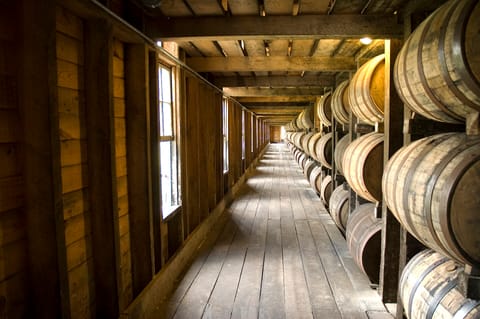
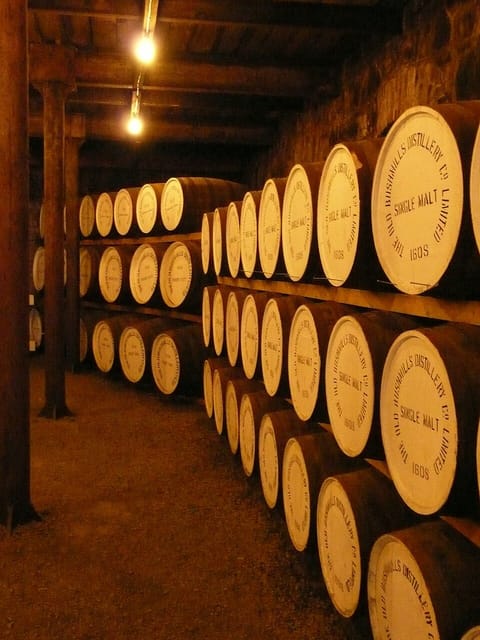
The short-term problem is a strategic pattern in which spirits producers prioritise immediate volume and revenue metrics over the decade-long investment required to build a genuinely durable brand. Origen X, whose CEO has worked with multiple premium spirits producers across Europe and Latin America, identifies the core failure as a misalignment between the timescales of whisky production and the timescales of modern brand management. Whisky aged in first-fill bourbon barrels or ex-sherry hogsheads for 12, 18, or 25 years is, by definition, a long-term asset. Yet the marketing decisions made around that liquid are increasingly driven by annual budget cycles, trend reports, and social media engagement metrics that reset every 90 days.
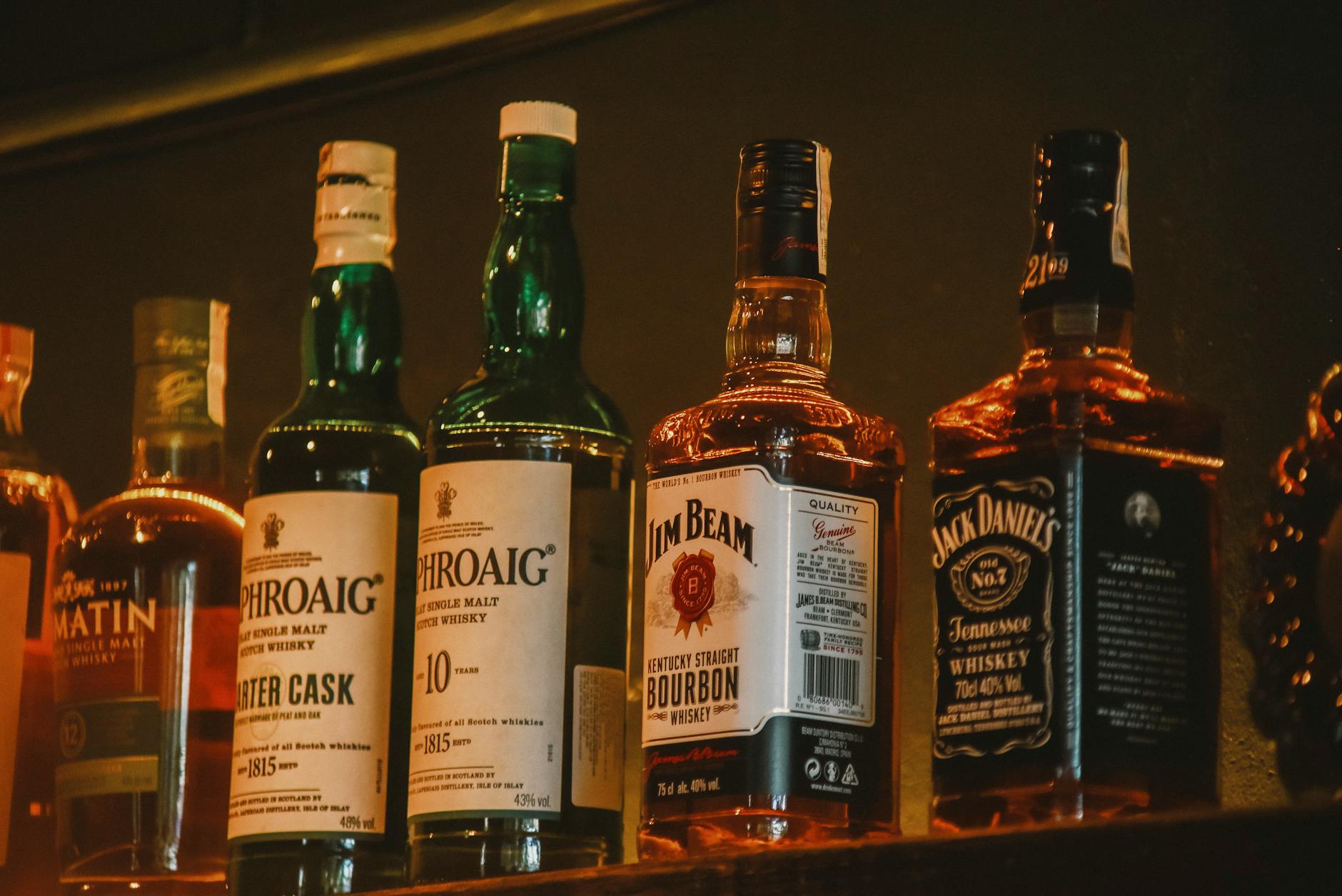
The practical consequences are visible across the category. Limited edition releases are announced and sold out before most trade buyers can assess them, creating artificial scarcity that inflates short-term auction prices but trains consumers to treat whisky as a collectible rather than a drink. Age statement expressions are quietly discontinued in favour of no-age-statement (NAS) releases that protect margin but erode the transparency that serious buyers depend on. Distilleries with genuine production heritage — Bruichladdich on Islay, GlenDronach in the Highlands, Benromach in Speyside — have largely resisted this pattern, and their secondary market performance reflects that discipline. According to data tracked by Rare Whisky 101, the most consistent auction performers over a ten-year horizon are almost universally distilleries with clear age statement policies, stable ownership, and production transparency.
"The industry needs to address its short-term perspective to brand-building and focus on brands built to last — the whisky category's greatest asset is time, and we keep treating it like a liability." — Origen X CEO
How Does Short-Term Thinking Affect Cask Investors and the Secondary Market?
Short-term brand strategy directly damages cask investment returns by compressing the premium that aged, authenticated liquid can command at maturity. When a distillery floods the market with NAS expressions or pivots its identity every two to three years to chase a new consumer trend, it sends a signal to serious buyers that the brand's positioning is unstable. Unstable positioning is the single greatest risk factor for cask investors holding new-make or young spirit, because the premium at exit depends almost entirely on the brand equity that exists when the cask is ready to sell. A ten-year-old cask from a distillery that has maintained consistent quality, clear age statement policy, and stable ownership will always command a stronger offer than equivalent liquid from a brand that has repositioned itself twice in the same period.
The mechanics work as follows. Consider a cask investor who purchased new-make spirit from a Highland distillery in 2015 at roughly £2,000 per cask, with the expectation of selling a ten-year-old single cask bottling — typically around 63% ABV from a first-fill bourbon barrel — in 2025. If the distillery in question has spent the intervening decade building brand coherence, maintaining production standards, and growing its reputation in key export markets including the United States and Taiwan, the cask could realise £8,000 to £15,000 or more depending on the specific distillery and bottler interest. If the distillery has instead pivoted, rebranded, or diluted its core range with trend-chasing releases, that same cask may struggle to find a buyer above £4,000. The brand narrative is not decoration — it is the mechanism through which liquid value is unlocked.
- First-fill bourbon barrels: Typically yield lighter, vanilla-forward spirit; highly sought after for single cask releases from reputable Highland and Speyside producers.
- Ex-sherry hogsheads: Associated with richer, fruit-forward expressions; critical to the secondary market premiums commanded by distilleries such as Glenfarclas and GlenDronach.
- NAS releases: No-age-statement expressions protect producer margin but reduce transparency for trade buyers and cask investors assessing long-term value.
- Age statement expressions (12, 18, 25 year): The clearest signal of production confidence and brand patience; consistently outperform NAS equivalents at auction.
- Auction realisation data: Platforms including Rare Whisky 101 and Whisky.Auction provide the most reliable secondary market pricing benchmarks available to the trade.
Which Distilleries Are Getting Brand-Building Right?
Several distilleries are demonstrably building for the long term, and their approach offers a practical template for what durable brand strategy looks like in whisky. Springbank, the family-owned Campbeltown distillery operated by J&A Mitchell, is perhaps the clearest example: production volumes are deliberately constrained, age statements are maintained across the core range, and the distillery has never pursued a mass-market retail strategy. The result is a secondary market premium that has grown consistently over fifteen years, with standard releases such as the Springbank 15 Year Old regularly achieving two to three times retail at auction. Master distiller Gavin McLachlan has spoken publicly about the importance of production integrity over volume growth — a position that has proved commercially vindicated.
Glenfarclas, the family-owned Speyside distillery managed by the Grant family under the direction of George Grant, offers a parallel case study in patience. The distillery has maintained its Family Casks series — single cask releases spanning vintages from the 1950s to the present — as a demonstration of what long-term liquid stewardship looks like. Bruichladdich on Islay, now owned by Rémy Cointreau, has maintained its commitment to terroir transparency and provenance labelling under master distiller Adam Hannett, even as parent company pressures might have encouraged a more commercially expedient approach. These are not accidents of heritage — they are the result of deliberate strategic choices made by specific people in specific roles, often against short-term commercial pressure.
Frequently Asked Questions
What is short-term brand-building in the spirits industry?
Short-term brand-building refers to a strategic pattern in which spirits producers prioritise immediate sales volume, trend-driven launches, and social media engagement over the sustained, decade-long investment required to build a genuinely durable brand with stable secondary market value and trade credibility.
How does NAS whisky affect cask investment returns?
No-age-statement (NAS) whisky releases can suppress cask investment returns by reducing the transparency that serious trade buyers and collectors rely on when assessing liquid value at maturity. Distilleries with consistent age statement policies tend to command stronger auction premiums than those that have shifted to NAS-led ranges.
Which Scotch whisky distilleries have the strongest long-term brand equity?
Based on sustained secondary market performance tracked by platforms including Rare Whisky 101, distilleries such as Springbank (Campbeltown), Glenfarclas (Speyside), Macallan (Speyside), and Bruichladdich (Islay) consistently demonstrate the strongest long-term brand equity, driven by production transparency, stable ownership, and clear age statement policies.
What is Origen X and why is its view relevant to whisky?
Origen X is a premium spirits brand strategy consultancy whose CEO has raised concerns about the industry's short-term approach to brand-building. While not a whisky producer itself, its analysis is directly relevant to the Scotch and Irish whiskey sectors, where brand narrative and production credibility are the primary drivers of secondary market value and cask investment returns.
How can cask investors protect themselves against short-term brand risk?
Cask investors can reduce exposure to short-term brand risk by prioritising distilleries with stable ownership structures, consistent age statement policies, transparent production practices, and a demonstrable track record of secondary market performance. Avoiding distilleries that have rebranded or pivoted their core range positioning more than once in a five-year period is a practical starting screen.
What Should Whisky Trade Buyers and Investors Watch Next?
The debate about short-termism in spirits brand strategy is likely to intensify through 2026 as the post-pandemic volume correction continues to work through the system. Several major Scotch whisky groups — including those operating distilleries across Speyside, the Highlands, and Islay — are facing inventory decisions that will test whether their stated commitment to long-term brand-building survives contact with balance sheet pressure. Watch for distilleries that begin quietly discontinuing age statement expressions or accelerating NAS releases as a signal that short-term margin pressure is winning the internal argument. Conversely, distilleries that hold the line on production transparency and age statement integrity during this correction will likely emerge with meaningfully stronger brand equity and cask premiums by the end of the decade.
For trade buyers and cask investors, the most actionable takeaway from the Origen X analysis is straightforward: treat brand strategy as a due diligence variable, not a marketing footnote. Before committing capital to a new cask purchase or a distillery partnership, audit the producer's last five years of release decisions. Count the age statement expressions versus the NAS releases. Check the ownership stability. Review the auction realisation trend. The distilleries that are building brands to last are leaving clear evidence in the public record — and so are the ones that are not. In a category where your capital is locked up for a decade or more, that distinction is worth every minute of the research it requires.