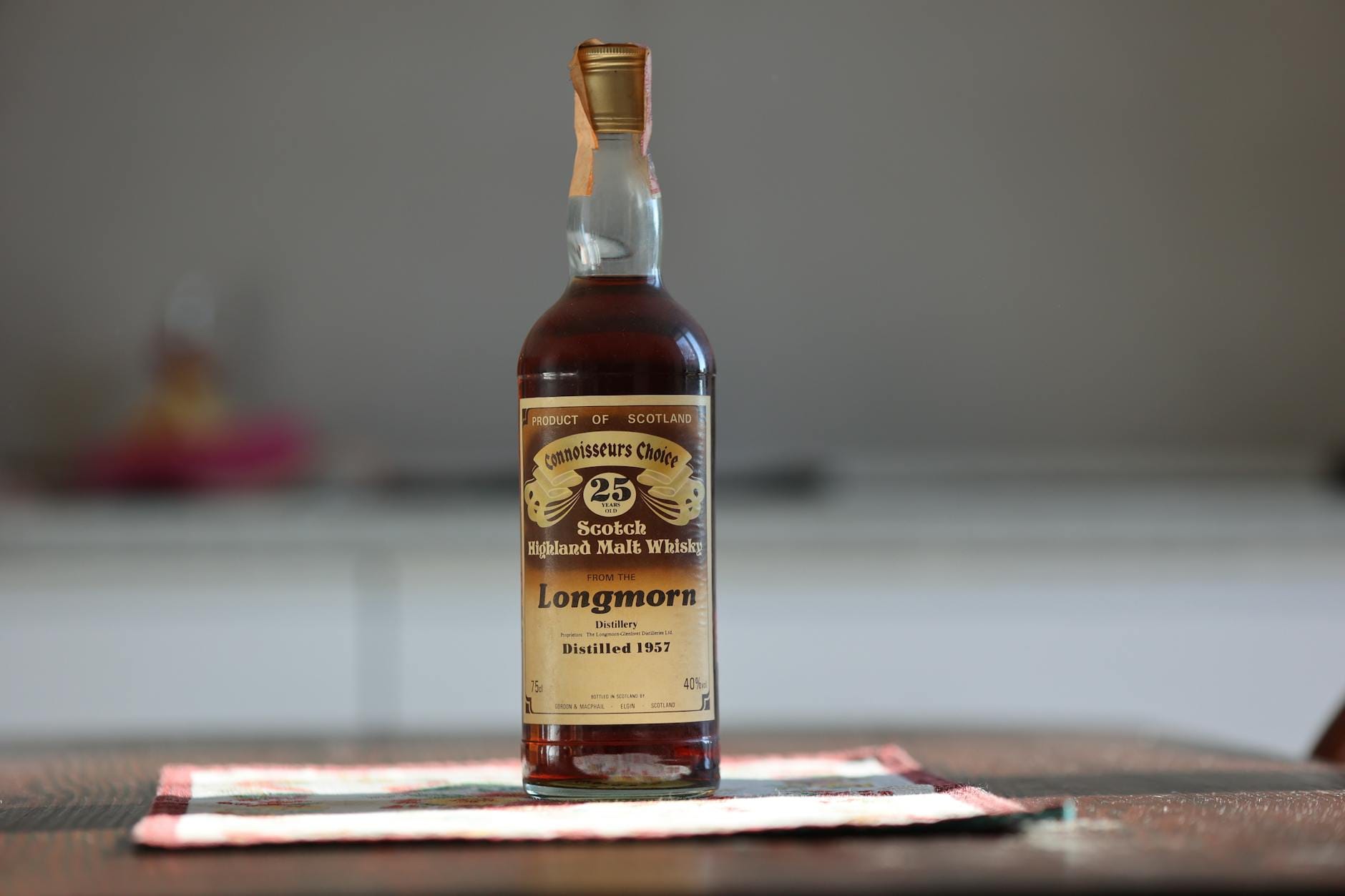
Cotswolds Distillery's Sherry Cask English Single Malt (46% ABV, first-fill Oloroso, NAS) delivers structured fruit and a drying finish at £55–£65. A credible benchmark for the English malt category competing against Scotch at the same price tier.
Cotswolds Sherry Cask English Single Malt Arrives With a Point to Prove
Bottled at 46% ABV and matured exclusively in first-fill Oloroso sherry casks, the Cotswolds Distillery Sherry Cask English Single Malt Whisky is deliberate statements yet from England's most commercially significant single malt producer. Founded in 2014 in the Cotswolds Hills of Oxfordshire, the distillery has grown from a standing start to become a benchmark for what English single malt can achieve — and this expression tests whether a full sherry-cask maturation can hold its nerve without tipping into cloying excess. For trade buyers and cask investors tracking the English whisky category, the answer carries real commercial weight. The distillery is owned by Cotswolds Distillery Ltd and was co-founded by Dan Szor, who remains a central figure in the operation's strategic direction.
This release sits within a growing portfolio that has already demonstrated market traction at home and in export markets. The Sherry Cask expression is non-chill-filtered and natural colour — two specifications that matter increasingly to on-trade buyers and specialist retailers building credibility with discerning consumers. At 46% ABV, the whisky sits at the sweet spot between approachability and structural integrity, a deliberate choice that reflects the distillery's understanding of its audience. For context, the distillery uses locally grown Cotswolds barley, a detail that feeds into the provenance narrative underpinning its pricing strategy. Those already familiar with the in-depth Cotswolds Sherry Cask review will know the expression has drawn serious attention from critics and buyers alike.
Production Credentials and Cask Strategy
The Cotswolds Distillery operates a 450-litre wash still and 300-litre spirit still configuration, producing spirit that is heavier and more textured than many of its Scottish counterparts — a characteristic that suits sherry cask maturation particularly well. The use of first-fill Oloroso casks is significant: these are not refill butts quietly adding colour, but active contributors of dried fruit, walnut, and dark chocolate character that interact directly with the spirit's natural weight. First-fill sherry maturation at this scale is a capital-intensive commitment, and it signals confidence in both the spirit quality and the commercial demand for the finished product. The distillery has been consistent in sourcing casks from reputable cooperages with established sherry seasoning credentials, a factor that separates premium English malt from cheaper imitations entering the category.
The maturation period, while not carrying a formal age statement on this expression, is understood to be in the three-to-five-year range — shorter than traditional Scotch benchmarks but increasingly accepted in the English malt category where faster maturation in the warmer Cotswolds climate accelerates spirit-wood interaction. This is a point worth noting for buyers comparing value per year of maturation against established sherry butt Scotch expressions at similar price points. The trade should also note that the non-age-statement format gives the distillery flexibility to maintain consistency across batches — a practical advantage as annual output scales.
For comparison with how other producers are handling sherry cask maturation across different categories, the Tamnavulin Sherry Cask Edition offers a useful reference point from the Scotch side of the ledger, where longer maturation and different climate conditions produce a markedly different flavour profile despite the shared cask type.
Tasting Profile and Trade Positioning
On the nose, the whisky delivers dried apricot, raisin, and a thread of beeswax that reflects the distillery's characteristic spirit profile beneath the sherry influence. The palate opens with dark cherry and milk chocolate before a wave of warming spice — cinnamon and clove — builds through the mid-palate. The finish is where the expression earns its trade credentials: moderately long, with a drying walnut note that prevents the sweetness from dominating and gives the whisky genuine structure. This balance is precisely what the category needs to justify premium shelf positioning against established Scotch and Irish competitors at the same price tier.
Retail pricing in the UK sits in the £55–£65 range depending on channel, which places it in direct competition with entry-level expressions from well-capitalised Scotch distilleries. The trade implication is straightforward: Cotswolds is no longer asking for category curiosity pricing — it is competing on merit. Secondary market watchers have begun tracking limited Cotswolds releases, a sign that collector interest is building beyond the primary retail channel. The distillery's export footprint, particularly in Germany and the United States, adds further dimension to the commercial picture.
"First-fill Oloroso maturation at this scale is a capital-intensive commitment — and it signals confidence in both the spirit quality and the commercial demand for the finished product."
English Single Malt in a Challenging Spirits Market
The timing of this release is not incidental. The broader spirits market is navigating a period of meaningful pressure, with US spirits depremiumisation seeing value sales fall 5.7% in 12 months — a trend that is forcing producers at every tier to justify their positioning with greater precision. English single malt, as a category, occupies an interesting position in this environment: it is premium by default given production costs and scale, but it lacks the heritage shorthand that Scotch can deploy in difficult markets. Expressions like the Cotswolds Sherry Cask that deliver genuine quality at a credible price point are therefore more strategically important now than they would have been in the bull-market conditions of 2020–2022.
The on-trade channel is particularly relevant here. Buyers building premium-by-the-glass programmes are looking for bottles that can justify a £12–£15 pour without requiring extensive consumer education. The Cotswolds Sherry Cask's flavour accessibility — rich fruit, identifiable structure, clean finish — makes it a viable candidate for that slot. This is a different conversation from the one being had about, say, Torabhaig's heavily peated house style, which requires a more committed consumer. Cotswolds is playing to a broader audience, and the sherry cask format is the right vehicle for that strategy.
It is also worth situating this release within the wider context of distillery investment and brand-building activity across the UK. Belfast's whisky renaissance and the continued ambition of new-wave distilleries across Scotland and Ireland illustrate that Cotswolds is competing not just against English peers but against a generation of well-funded, narrative-driven producers all targeting the same premium consumer. Dalmore's recent creative overhaul is a reminder that even established names are investing heavily in brand presentation to hold shelf space. Cotswolds' advantage is authenticity of origin: genuine single estate barley, a defined geographical identity, and a production philosophy that holds up to scrutiny.
- ABV: 46% — non-chill-filtered, natural colour
- Cask type: First-fill Oloroso sherry butts
- Age statement: NAS (estimated 3–5 years maturation)
- Retail price (UK): £55–£65 depending on channel
- Key markets: UK, Germany, United States
- Producer: Cotswolds Distillery Ltd, Shipston-on-Stour, Oxfordshire
What to Watch: Trade Implications and Forward Signals
For buyers and investors, the Cotswolds Sherry Cask release is a useful data point in tracking the commercial maturation of the English single malt category. If this expression holds its retail price and moves volume through specialist independents and export channels over the next 12 months, it will validate the category's ability to compete at the £60 price tier without promotional discounting. That outcome would have implications for how other English distilleries price their own sherry-influenced releases, and for how distributors allocate shelf space between English malt and comparable Scotch or Irish alternatives. Those tracking top spirits launches of 2026 will find this expression among the more commercially credible entries in the premium world whisky segment.
Secondary market activity is worth monitoring. Auction specialists have noted growing interest in English single malt as a category, though volumes remain modest compared with Scotch. Limited batch releases from Cotswolds — particularly those with defined cask programmes — could begin attracting collector premiums if the brand continues its current trajectory. The distillery's decision to maintain non-chill-filtration and natural colour across its core range is a signal that it is building for a quality-conscious audience rather than chasing volume through supermarket listings. ProSpirits Report 2026 market data supports the view that this segment of the premium spirits market remains more resilient than the broader category average, even as depremiumisation pressures weigh on mid-tier volume brands. Trade buyers who have been watching English single malt from the sidelines should treat the Cotswolds Sherry Cask as a concrete reason to re-evaluate their ranging decisions before the category's next growth phase arrives.
Frequently Asked Questions
What cask type is used in the Cotswolds Sherry Cask English Single Malt?
The whisky is matured in first-fill Oloroso sherry butts. First-fill casks are active contributors of flavour rather than passive containers, delivering dried fruit, walnut, and chocolate notes that interact directly with Cotswolds' characteristically heavy spirit.
What is the ABV of the Cotswolds Sherry Cask, and is it chill-filtered?
The expression is bottled at 46% ABV. It is non-chill-filtered and presented at natural colour — two specifications that are increasingly important to specialist retailers and on-trade buyers focused on quality positioning.
How does the Cotswolds Sherry Cask compare to sherry-matured Scotch at a similar price?
At £55–£65, it competes directly with entry-level sherry-influenced Scotch expressions. The English whisky's shorter maturation is offset by faster spirit-wood interaction in the warmer Cotswolds climate, producing a profile that is fruit-forward and structured without requiring extended ageing to achieve complexity.
Does the Cotswolds Sherry Cask carry an age statement?
No. Like many English single malts, it is released as a non-age-statement expression. Maturation is estimated in the three-to-five-year range, which is consistent with the category norm and gives the distillery flexibility to maintain batch consistency as output scales.
Is the Cotswolds Sherry Cask available in export markets?
Yes. The distillery has established export distribution in Germany and the United States, among other markets. These channels are increasingly important to the brand's commercial strategy as the English single malt category builds international recognition.
🥃 Considering whisky casks as an investment? Speak to the Whisky Cask Club team — Singapore-based specialists working with collectors and investors across Asia.