Fetternear Estate in Aberdeenshire plans to become Scotland's first fully integrated single-estate whisky distillery, handling all production from barley to bottle on-site. This could redefine provenance in Scotch, appealing to collectors seeking verifiable stories.
What Is the Fetternear Estate Single-Estate Whisky Project?
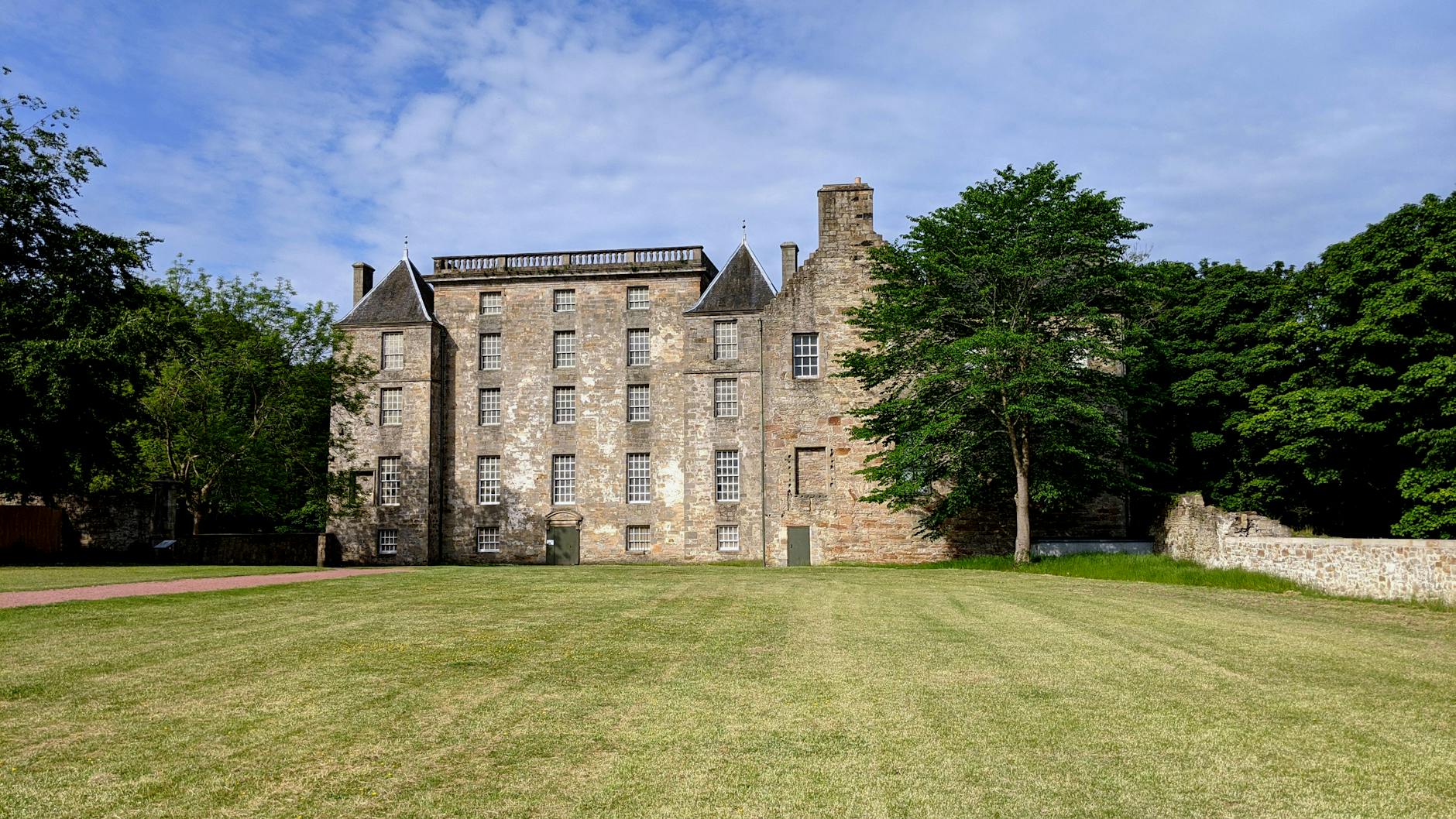
Fetternear Estate is a historic Aberdeenshire property that Inverurie Distillery is planning to transform into what it claims will be Scotland's first true single-estate whisky distillery — a facility where barley is grown, malted, distilled, matured, and bottled entirely within the boundaries of a single landholding. The project was unveiled publicly on World Whisky Day, with Inverurie Distillery opening the estate's gates to visitors for the first time to coincide with the announcement. The ambition is significant: no Scottish distillery currently holds verified single-estate status across the full production chain, making Fetternear a potential category-defining operation. If the project delivers on its stated aims, it would represent a structural shift in how provenance is defined and marketed within Scotch whisky.
Inverurie Distillery is an Aberdeenshire-based spirits producer that has been developing its whisky credentials ahead of this larger estate project. The Fetternear site, located in the Aberdeenshire countryside north of Aberdeen, carries centuries of agricultural and architectural history, lending the project a heritage narrative that will likely underpin its premium positioning. For the whisky trade, the more important question is not the history of the stones but the integrity of the production model behind them. Single-estate claims in Scotch whisky are rare precisely because the economics of growing, malting, and distilling on one site are demanding — and the regulatory framework around such claims remains largely undefined by the Scotch Whisky Association.
The World Whisky Day launch date was a deliberate piece of calendar marketing, designed to maximise media reach and public engagement at a moment when whisky interest peaks globally. Whether the project translates that attention into credible production infrastructure will be the measure by which the trade ultimately judges it. Early indications suggest the team is serious: the estate has arable land capable of supporting barley cultivation at meaningful scale, and the distillery design is reportedly being developed with on-site maturation warehousing in mind.
Why Does Single-Estate Status Matter for the Scotch Whisky Market?
Single-estate status matters because it creates a legally and commercially defensible point of difference in a market increasingly crowded with premium and ultra-premium expressions. The concept borrows directly from the wine world, where château or domaine bottlings command significant price premiums over blended regional wines. In Scotch whisky, where most distilleries source malted barley from industrial maltsters and mature casks across multiple warehouse sites, a genuinely integrated estate model would be a structural rarity. Collectors and cask investors have demonstrated consistent appetite for whisky with verifiable provenance stories, and single-estate production offers granular provenance narratives available.
According to data tracked by Rare Whisky 101, expressions with documented production provenance — including farm distillery bottlings and those with named cask and warehouse records — have outperformed generic age-statement releases at auction over the past five years. The market is not simply rewarding age or ABV; it is rewarding story and specificity. A whisky that can credibly state the field where its barley grew, the maltings where it was processed, the still where it was distilled, and the warehouse where it aged — all on one estate — occupies a category almost entirely its own within Scottish production.
The regulatory dimension is also worth watching. The Scotch Whisky Association's existing geographical indication framework covers regions and individual distilleries but does not yet have a formal single-estate designation. If Fetternear establishes a working model, it could prompt industry-level conversations about codifying single-estate as a recognised category within Scotch whisky regulation — a development that would have significant implications for labelling, marketing, and potentially export tariff classifications in key markets including the United States, European Union, and Japan.
How Does a Single-Estate Scotch Whisky Distillery Actually Work?
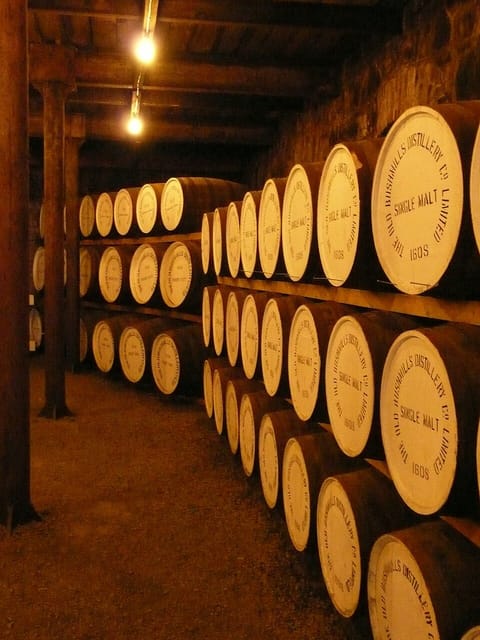
A single-estate Scotch whisky distillery is one where every major stage of production — barley cultivation, malting, mashing, fermentation, distillation, maturation, and bottling — takes place within the boundaries of a single landholding under unified ownership. This contrasts sharply with the standard Scottish distillery model, where barley is typically sourced from commercial maltsters such as Bairds or Simpsons, distilled on-site, and then matured in warehouses that may be located miles from the still house. The following production stages would all need to occur at Fetternear for the single-estate claim to hold:
- Barley cultivation: Growing distilling-grade barley varieties such as Concerto or Laureate on estate farmland, with full traceability from seed to harvest.
- Floor or on-site malting: Steeping, germinating, and kilning the barley on the estate rather than outsourcing to a commercial maltster — the most capital-intensive step in the chain.
- Mashing and fermentation: Converting malted barley into wort and fermenting with yeast on-site, producing a wash typically between 7% and 9% ABV before distillation.
- Pot still distillation: Running the wash through copper pot stills — the legally mandated vessel type for malt Scotch whisky — to produce new make spirit, typically cut at around 63-65% ABV for cask filling.
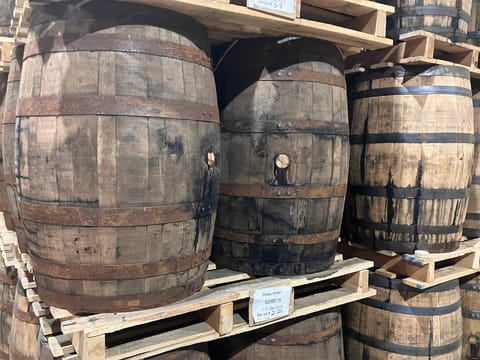
- Maturation in oak casks on the estate: Filling casks — whether ex-bourbon American oak, ex-sherry European oak, or virgin oak — and warehousing them within the estate boundary for the statutory minimum of three years.
- Bottling on-site: Reducing to bottling strength, typically between 40% and 63.5% ABV, and bottling within the estate.
Each of these stages adds cost, complexity, and capital requirement — which is precisely why no Scottish distillery has yet completed the full chain under one roof and one landholding. Fetternear's success will depend on whether Inverurie Distillery can finance and operationally execute all six stages at meaningful production volume.
"If Fetternear delivers on its full single-estate model, it would be the first Scotch whisky operation to offer verified field-to-bottle provenance within a single landholding — a category position no Scottish distillery currently holds."
What Are the Trade Implications for Cask Investors and Collectors?
Cask investors should treat this announcement as a development to monitor closely rather than act on immediately. The project is at announcement stage, and there is a meaningful gap between a public unveiling on a historic estate and a licensed, operational distillery producing new make spirit for cask filling. That said, the category position being staked out — genuine single-estate Scotch whisky — carries real long-term commercial logic if the production model is executed with integrity. Early-release casks from a credibly certified single-estate Scottish distillery would represent a genuinely novel asset class within the cask investment market.
The collector market has already demonstrated that it values rarity of concept as much as rarity of age. Releases from farm distilleries such as Ncn'ean in Morvern, which emphasises organic barley and sustainability credentials, have attracted premium attention despite relatively young age statements. Fetternear, if it achieves full single-estate status, would sit above even that tier of provenance specificity. The risk for investors is the execution timeline: distillery construction, licensing under the Scotch Whisky Regulations 2009, and the minimum three-year maturation period mean the first legitimate single-estate releases from Fetternear are unlikely before 2030 at the earliest.
For the broader trade, the project raises a question that the Scotch Whisky Association and producers alike will need to address: should single-estate be formally defined and protected as a category descriptor? Without a regulatory framework, the term risks being used loosely by producers who meet only some of the criteria, diluting its value for those who achieve the full model. Fetternear's development could accelerate that regulatory conversation.
Frequently Asked Questions
What is Fetternear Estate and where is it located?
Fetternear Estate is a historic rural property in Aberdeenshire, Scotland, located north of Aberdeen. It is being developed by Inverurie Distillery as the site of a planned single-estate whisky distillery that would grow, malt, distill, mature, and bottle whisky entirely within the estate's boundaries.
What makes a distillery a true single-estate whisky producer?
A true single-estate whisky producer is one that completes every stage of production — from barley cultivation and on-site malting through distillation, cask maturation, and bottling — within a single landholding under unified ownership. No Scottish distillery currently holds verified status across all stages of this production chain.
Who owns Inverurie Distillery and what have they produced previously?
Inverurie Distillery is an Aberdeenshire-based spirits producer. The company has been developing its whisky production credentials ahead of the larger Fetternear Estate project, though it is the Fetternear single-estate distillery plan that represents its most ambitious undertaking to date.
When could the first single-estate whisky from Fetternear be released?
Given the time required for distillery construction, licensing under the Scotch Whisky Regulations 2009, and the mandatory minimum three-year maturation period for Scotch whisky, the earliest realistic date for a first release from Fetternear would be approximately 2030, assuming construction and licensing proceed without significant delays.
Does the Scotch Whisky Association recognise single-estate as a formal category?
As of the time of this article, the Scotch Whisky Association does not have a formal regulatory category or protected designation for single-estate Scotch whisky. The existing framework covers Scotch whisky regions and individual distillery designations but does not codify the single-estate concept, leaving the term currently unprotected and open to varying interpretations by producers.
What to Watch: Key Developments Ahead for Fetternear
Trade readers and cask investors tracking this project should focus on a set of concrete milestones that will determine whether Fetternear's single-estate ambition translates into a commercially and regulatorily credible operation. The announcement is the beginning, not the validation. Watch for planning permission submissions for distillery construction on the Aberdeenshire estate, confirmation of on-site malting infrastructure, and any formal engagement with the Scotch Whisky Association regarding single-estate designation. These three signals will indicate whether the project has moved from vision to execution.
, monitor whether the Scotch Whisky Association opens any consultation on formalising single-estate as a protected category descriptor. If Fetternear's public profile accelerates that conversation, it could create a regulatory first-mover advantage for the estate — and a new benchmark for provenance-driven Scotch whisky that the wider industry would need to respond to. Serious trade observers should add Inverurie Distillery and Fetternear Estate to their Google Alerts now and revisit the project when planning and licensing milestones are confirmed.