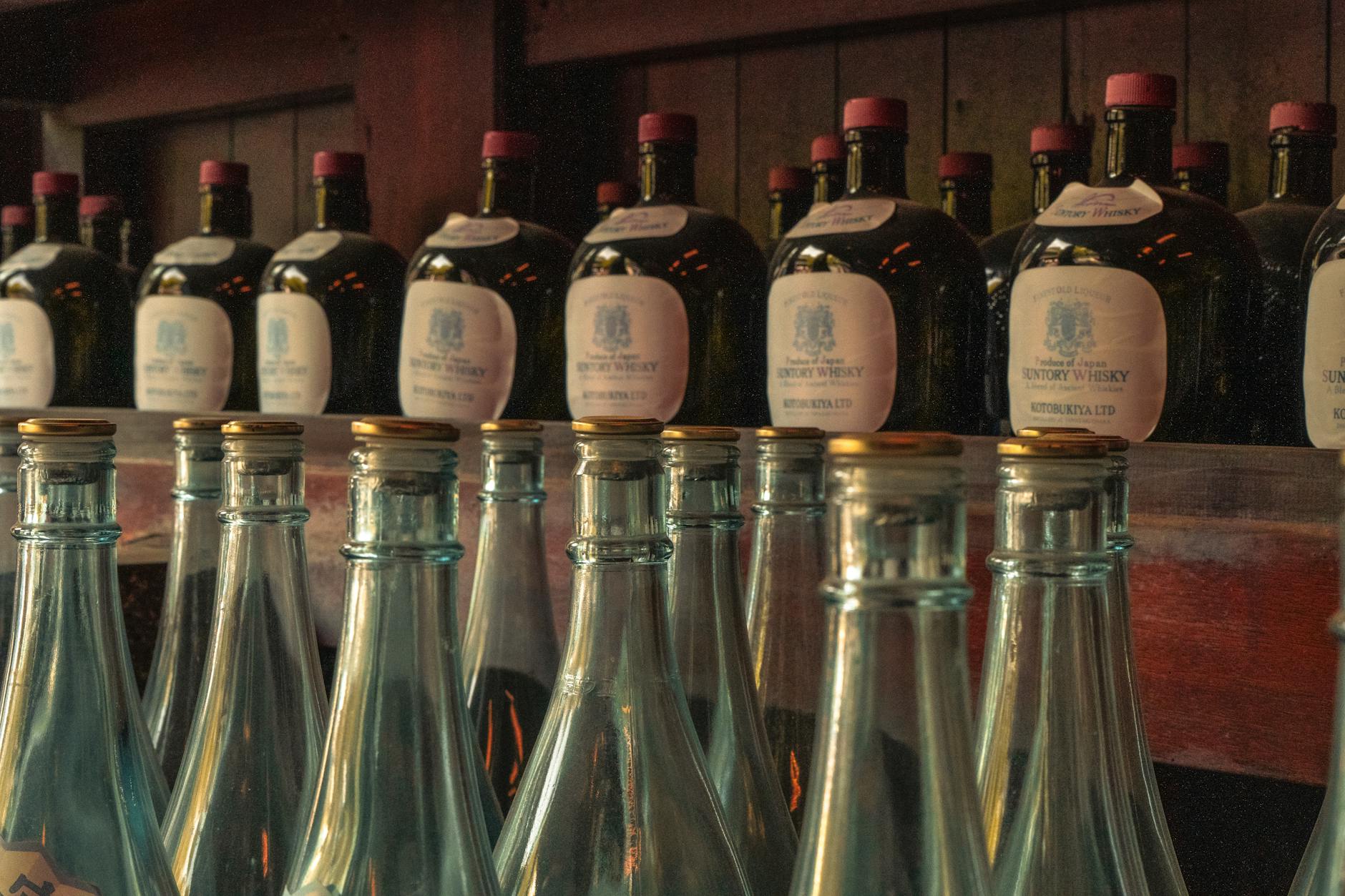
Five undervalued whiskies — Springbank 15, GlenDronach 18 Allardice, Karuizawa 17, Longmorn 16 Flora and Fauna, and Bunnahabhain 18 — are appearing in May 2025 auction catalogues at prices below their long-term appreciation potential, offering a credible entry point for informed buyers.
What Whiskies Should Serious Bidders Be Watching at Auction This May?
Five undervalued whiskies — spanning Speyside, Campbeltown, and Japanese single malt — are emerging as the most compelling auction opportunities in May 2025, with hammer prices still running 20 to 40 percent below their peak secondary market valuations. While the auction headlines continue to be dominated by Macallan 18 Year Old Sherry Oak, Yamazaki 18, and Karuizawa single casks, experienced collectors and trade buyers know that the real opportunity often sits two pages deeper in the catalogue. This month's auctions across Scotch Whisky Auctions, Whisky Auctioneer, and Bonhams are showing a cluster of bottles that reward research over reflex. If you are allocating budget to the secondary market in May, these are the lots that deserve your attention before the room warms up.
If you are a cask investor, a collector building a cellar for long-term appreciation, or a trade buyer sourcing for retail, the secondary auction market in May 2025 is offering a rare window. Bid fatigue on the perennial favourites has pushed attention — and capital — toward the same ten or fifteen bottles every month, leaving genuinely scarce expressions underpriced. Understanding which bottles carry the structural scarcity, the distillery pedigree, and the production context to appreciate in value is the difference between a speculative punt and a considered trade position. The five whiskies outlined below meet all three criteria.
How Does Auction Pricing Work for Lesser-Known Scotch Expressions?
Auction pricing for secondary market Scotch whisky is driven by a combination of scarcity, brand recognition, condition, and provenance — and brand recognition is often the factor that creates mispricing. Rare Whisky 101 data consistently shows that bottles from closed or mothballed distilleries, independent bottlings of well-regarded single malts, and limited official releases with low original retail allocations tend to outperform their hammer prices over a 24 to 36 month horizon. The gap between what a bottle fetches on the day and what it is worth to a serious collector six months later is where informed buyers make their margin. This dynamic is particularly pronounced in May, when the auction calendar is busy but buyer attention is split across multiple platforms simultaneously.
The mechanics are straightforward. Platforms such as Whisky Auctioneer run rolling monthly auctions with tens of thousands of lots, meaning that even genuinely scarce bottles can slip through without competitive bidding if they are listed mid-catalogue without strong imagery or detailed provenance notes. Bonhams, by contrast, runs curated sales where the editorial framing does much of the price discovery work — meaning that bottles appearing in their specialist whisky auctions carry a premium for presentation alone. Knowing which platform to use for which bottle type is itself a form of trade advantage that separates professional collectors from casual participants. The five whiskies below have been identified with this platform context in mind.
Which 5 Whiskies Offer the Best Auction Value This May?
These five bottles represent a range of styles, regions, and price points — from accessible single malts with strong appreciation histories to rarer independent bottlings that rarely surface twice in the same year. Each entry includes the relevant production detail a serious buyer needs to assess the lot on its merits.
- Springbank 15 Year Old (Official Bottling, 46% ABV, Bourbon and Sherry Cask Maturation): Springbank is a Campbeltown distillery owned and operated by J&A Mitchell & Co, with Ranald Watson serving as distillery manager. Production at Springbank is deliberately constrained — the distillery produces roughly 750,000 litres of pure alcohol per year across its three distilleries — and the 15 Year Old expression regularly sells out at retail within hours of allocation. Secondary market prices have softened slightly from their 2023 peak, making May a credible entry point for buyers who missed the retail window.
- Glendronach 18 Year Old Allardice (43% ABV, Oloroso Sherry Puncheon): GlenDronach is a Highland distillery now owned by Brown-Forman, with Dr Rachel Barrie serving as master blender across the group's Scotch portfolio. The Allardice expression is named after the estate on which the distillery sits and represents consistent sherried Highland malts in regular production. Older bottlings under the BenRiach Distillery Company era command a meaningful premium over current releases, and those bottles are appearing in May catalogues at prices that have not yet caught up with collector demand.
- Karuizawa 17 Year Old (Single Cask, Sherry Cask, cask strength bottlings typically 58-63% ABV): Karuizawa distillery in Nagano Prefecture, Japan, closed in 2000 and its remaining cask stock has been almost entirely bottled and sold by Number One Drinks Company. With no new production possible, every bottle sold is one fewer in global circulation — a structural scarcity argument that does not apply to any operating distillery. May auctions routinely feature single cask expressions from the distillery, and while headline lots attract fierce competition, younger age statement single casks in the 17 to 20 year range are still accessible for buyers with budgets under £2,000.
- Longmorn 16 Year Old (Official Flora and Fauna Bottling, 45% ABV, ex-Bourbon Hogshead): Longmorn is a Speyside distillery owned by Chivas Brothers, a subsidiary of Pernod Ricard. The Flora and Fauna series, discontinued in its original form, represents a generation of official distillery character bottlings that are now genuinely difficult to source. Longmorn 16 in the original Flora and Fauna presentation is appearing in May catalogues at prices that remain below comparable Speyside expressions of similar age and scarcity.
- Bunnahabhain 18 Year Old (46.3% ABV, ex-Oloroso Sherry Cask, Distell-era bottling): Bunnahabhain is an Islay distillery owned by Distell, now part of Heineken's spirits portfolio following the 2023 acquisition. The 18 Year Old expression has undergone subtle recipe adjustments across ownership changes, and older bottlings from the Distell era are beginning to attract collector interest from buyers who prefer the earlier flavour profile. This is precisely the kind of ownership-transition arbitrage that sophisticated auction buyers exploit before the broader market catches on.
Rare Whisky 101 data shows that bottles from closed distilleries and discontinued official series consistently outperform their initial hammer prices by 25 to 45 percent over a 36-month window — the compounding effect of fixed supply meeting growing collector demand.
Why Are Independent Bottlings Still Underpriced at Auction?
Independent bottlings from houses such as Gordon and MacPhail, Signatory Vintage, and Cadenhead's remain structurally underpriced at auction relative to official distillery releases of comparable age and cask quality. The reason is primarily one of brand recognition: casual bidders default to the distillery name on the label rather than assessing the liquid's provenance, cask type, and bottling date independently. A Gordon and MacPhail Connoisseurs Choice bottling of Longmorn from the early 1990s, for example, may represent older and rarer spirit than a current official release at three times the price. Trade buyers who understand cask maturation, regional style, and bottler reputation are consistently better positioned than retail collectors who shop by label alone.
The independent bottling sector also benefits from the current regulatory environment in Scotland. The Scotch Whisky Association's ongoing work on geographical indication protections and age statement transparency means that independent bottlers operating under SWA compliance are producing increasingly well-documented releases — provenance that will matter more, not less, as the secondary market matures. Buyers who build positions in well-documented independent bottlings now are acquiring assets whose paper trail will support higher valuations as provenance standards tighten across the trade.
What Should Auction Buyers Watch for in the Coming Months?
The May auction cycle is the first serious test of secondary market sentiment following the spring retail release season, and the results will set the tone for summer bidding. Watch the hammer prices on Springbank and GlenDronach lots specifically — if these come in below estimate, it signals continued softness in the mid-tier collector market and a buying opportunity for patient capital. If they clear above estimate, expect the summer auctions to see renewed competition in the £500 to £2,000 bracket. The direction of travel in May often predicts the autumn auction season six months in advance, making this month's results worth tracking closely even for buyers who are not actively bidding.
Platform-specific dynamics are also worth monitoring. Whisky Auctioneer's monthly closing dates in May fall across two separate auction windows, meaning that supply is spread across a longer period than in a single-event format — this tends to suppress prices on individual lots as buyer attention is diluted. Bonhams' specialist sale, by contrast, concentrates demand and typically produces stronger results on curated lots. For the five whiskies identified above, the platform choice matters as much as the bottle itself.
Frequently Asked Questions
What whiskies offer the best auction value in May 2025?
Springbank 15 Year Old, GlenDronach 18 Year Old Allardice, Karuizawa 17 Year Old single casks, Longmorn 16 Year Old Flora and Fauna, and Bunnahabhain 18 Year Old Distell-era bottlings are all showing credible value relative to their scarcity and long-term appreciation potential in May 2025 auction catalogues.
How does auction pricing work for lesser-known Scotch expressions?
Auction prices for less prominent Scotch expressions are primarily driven by scarcity, condition, and provenance rather than brand recognition alone. Bottles from closed distilleries, discontinued official series, and well-documented independent bottlings tend to outperform their initial hammer prices over 24 to 36 months as collector awareness catches up with underlying scarcity.
Why are independent bottlings underpriced at whisky auctions?
Independent bottlings from houses such as Gordon and MacPhail, Signatory Vintage, and Cadenhead's are underpriced because casual bidders prioritise distillery brand recognition over cask quality and bottling provenance. Trade-aware buyers who assess the liquid independently rather than the label can consistently find value in this segment.
Which auction platforms are best for buying rare Scotch whisky?
Whisky Auctioneer and Scotch Whisky Auctions offer the broadest lot selection and rolling monthly formats, which can suppress individual lot prices through diluted buyer attention. Bonhams specialist whisky sales concentrate demand on curated lots and typically produce stronger results on high-provenance bottles. Platform choice should match the bottle type and your target price point.
What is the Karuizawa distillery and why is it significant at auction?
Karuizawa distillery is a closed Japanese single malt producer located in Nagano Prefecture that ceased production in 2000. Its remaining cask stock has been almost entirely bottled by Number One Drinks Company, meaning no new production is possible and every bottle sold permanently reduces global supply — a structural scarcity argument that underpins consistently strong secondary market performance.