Tamnavulin Sherry Cask Edition is an affordable NAS single malt. It offers rich sherry, dried fruit, and chocolate notes, punching above its price. The finish is short, but it's a credible, value-focused sherried Scotch.
What Is the Tamnavulin Sherry Cask Edition and Why Is It Getting Attention?
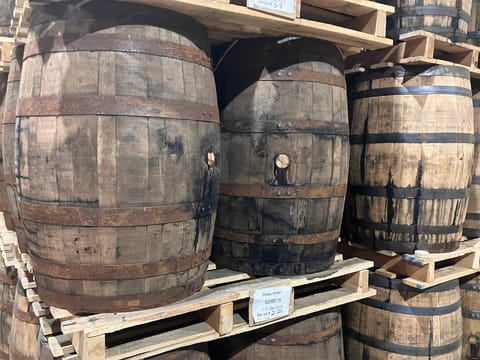
Tamnavulin Sherry Cask Edition is a no-age-statement (NAS) single malt Scotch whisky bottled at 40% ABV, matured in a combination of American oak ex-bourbon barrels and European oak ex-sherry casks, and retailing in most markets for under £30. Produced at Tamnavulin Distillery in Ballindalloch, Banffshire — the heart of Speyside — this expression has quietly become one of the more commercially successful entries in the accessible sherry-forward category, sitting on supermarket shelves alongside far more heavily marketed rivals. Its renewed visibility in 2026 reflects a broader industry push to capture value-conscious consumers who still want credible provenance and flavour complexity without paying premium prices. The question the trade keeps asking is whether Tamnavulin's sherry cask programme can sustain genuine quality at this price point, or whether margin pressure will eventually hollow it out.
Tamnavulin Distillery is owned by Whyte and Mackay, the Glasgow-based spirits group that also controls Dalmore, Jura, and Fettercairn. Whyte and Mackay is itself a subsidiary of Emperador Inc., the Philippine spirits conglomerate that acquired the group in 2014 for approximately £430 million. That corporate structure matters for understanding Tamnavulin's positioning: Whyte and Mackay has significant sherry cask buying power through its relationship with Spanish cooperages, which feeds directly into the quality consistency that Tamnavulin's sherry expressions depend on. Without reliable access to quality Pedro Ximénez and Oloroso seasoned casks, the entire proposition collapses. So far, that supply chain appears intact, and the Sherry Cask Edition is benefiting from it.
How Does the Tamnavulin Sherry Cask Edition Actually Perform in the Glass?
Directly: it punches well above its price bracket on aroma and mid-palate, though the finish is shorter than trade buyers or collectors would demand from a premium expression. On the nose, the whisky opens with dried fruit — raisins, prunes, and a hint of orange peel — layered over a soft vanilla base that signals the American oak influence beneath the sherry maturation. There is a gentle nuttiness, reminiscent of toasted almonds, that keeps the sweetness from becoming cloying. At 40% ABV, the spirit is approachable rather than challenging, which is clearly a deliberate commercial decision rather than a distillery limitation.
On the palate, the sherry influence is more pronounced than the nose suggests. Dark chocolate, stewed plums, and a faint leather note emerge in the mid-palate, giving the whisky a textural richness that is rare at this price point. The balance between the ex-bourbon sweetness and the ex-sherry dried fruit character is the real achievement here — many distilleries at this price tier lean too heavily on one cask type and lose coherence. Tamnavulin's blending team, working under Whyte and Mackay's production infrastructure, has managed the integration well. The finish, however, is the weak point: it is clean and warm but fades quickly, leaving only a residual sweetness without the lingering spice or oakiness that would elevate this into genuinely collectible territory.
"At under £30, the Tamnavulin Sherry Cask Edition offers credible sherry-matured flavour profiles in the accessible Scotch market — the cask sourcing is doing heavy lifting that the price tag does not reflect."
What Does Tamnavulin's Sherry Cask Strategy Mean for the Wider NAS Market?
The NAS Scotch category has faced persistent scepticism from trade commentators since distilleries began removing age statements at scale in the early 2010s, driven by inventory pressure and rising global demand. According to data from the Scotch Whisky Association, Scotch whisky exports reached £5.4 billion in 2023, with single malts accounting for the largest share of value growth. Within that context, accessible NAS expressions like Tamnavulin's Sherry Cask Edition serve a critical commercial function: they keep consumers engaged with the single malt category at an entry price point while distilleries husband their older stock for higher-margin releases. The risk is that NAS expressions trained on sherry sweetness create consumer expectations that aged expressions at higher price points then struggle to meet on value grounds.
Tamnavulin's approach is notable because it does not attempt to disguise the NAS status with elaborate packaging or vague age-adjacent language. The sherry cask maturation is front and centre as the product's identity, which is a more honest commercial positioning than some competitors adopt. For cask investors and trade buyers, this transparency is meaningful: it signals that Whyte and Mackay is comfortable letting the liquid carry the Tamnavulin brand rather than relying on heritage mystique. Speyside as a region commands strong secondary market interest, and Tamnavulin's growing retail footprint — it is now listed in major UK supermarket chains and exported to over 40 markets — suggests the distillery's production volumes are scaling to match ambition.
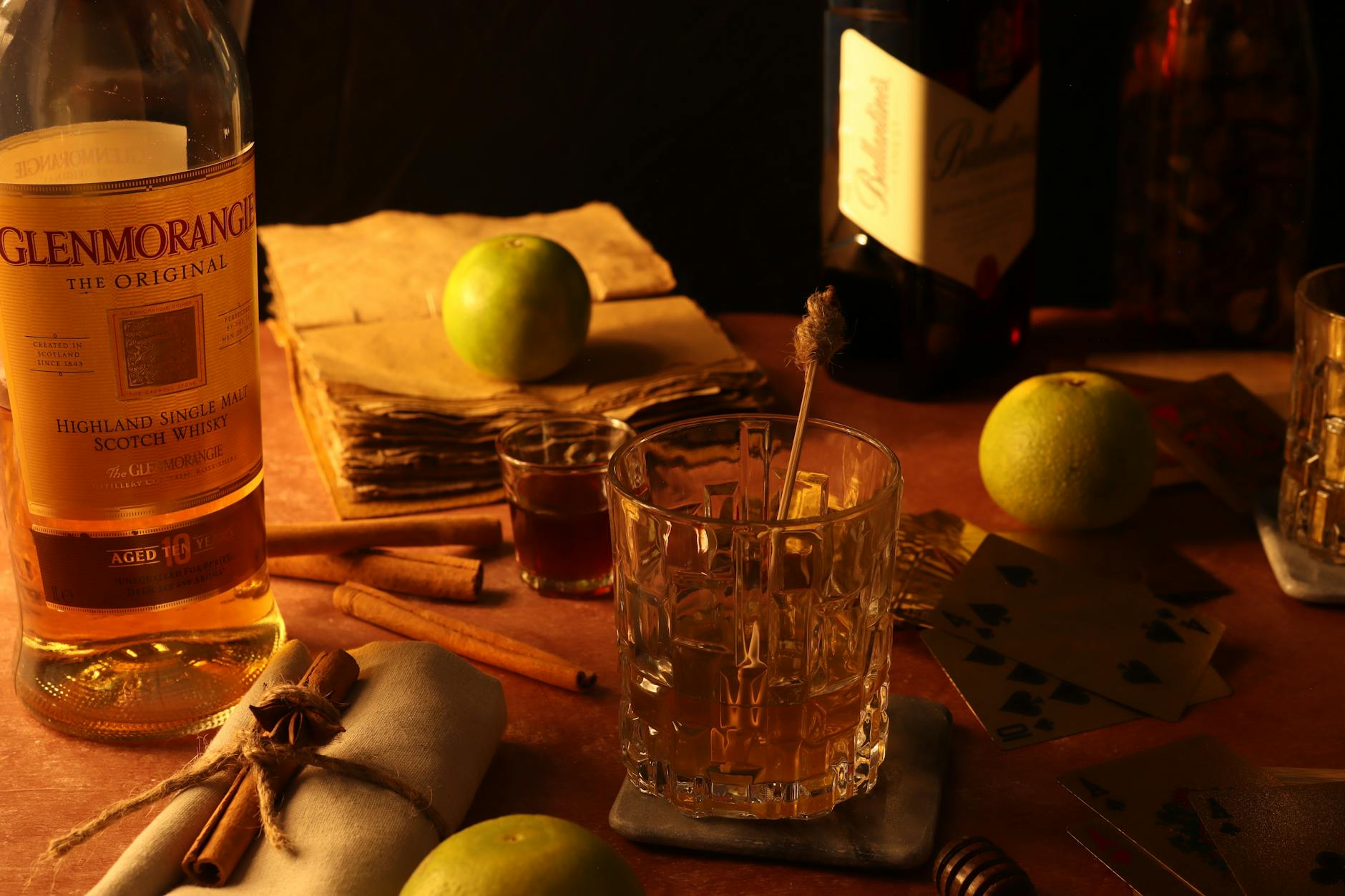
- Price point: Under £30 RRP in the UK, positioning it as a direct competitor to GlenMorangie Original, Glenfiddich 12, and Monkey Shoulder in the accessible single malt bracket.
- Cask type: Dual maturation in American oak ex-bourbon barrels and European oak ex-sherry casks — the specific sherry style (Oloroso or PX) is not disclosed on packaging, which is a minor transparency gap.
- ABV: 40% — the legal minimum for Scotch, suggesting dilution to maximise yield rather than flavour optimisation.
- Age statement: None — NAS status confirmed, though industry estimates place the core stock at approximately 8-12 years based on flavour profile.
- Distribution: Over 40 export markets, with strong UK supermarket placement and growing US and Asian retail presence.
Is Tamnavulin Sherry Cask Edition Relevant to Cask Investors or Collectors?
As a standalone retail bottling, the Tamnavulin Sherry Cask Edition is not a collector's target in the conventional sense — secondary market auction data from platforms such as Whisky Auctioneer and Scotch Whisky Auctions shows no significant price premium developing on standard retail bottles. However, the expression's commercial success is directly relevant to anyone tracking Whyte and Mackay's production strategy or considering cask investment in Speyside more broadly. A distillery that can move volume at accessible price points has the cash flow to invest in longer maturation programmes, which is where collector and investor value ultimately concentrates.
Tamnavulin's sherry cask programme also signals something important about cask supply economics. Whyte and Mackay's scale gives it negotiating leverage with Spanish cooperages that smaller independent distilleries simply cannot match. If European oak ex-sherry cask costs continue to rise — and specialist cooperage data suggests seasoned sherry butts have increased in cost by 30-40% over the past decade — Tamnavulin's corporate backing becomes a genuine competitive advantage. For independent bottlers or private cask investors buying Speyside stock, the Tamnavulin example illustrates how sherry cask quality is increasingly a function of procurement scale rather than individual distillery craft.
Frequently Asked Questions
What is the Tamnavulin Sherry Cask Edition?
The Tamnavulin Sherry Cask Edition is a no-age-statement Speyside single malt Scotch whisky produced at Tamnavulin Distillery in Ballindalloch, Banffshire, and owned by Whyte and Mackay. It is matured in American oak ex-bourbon barrels and European oak ex-sherry casks, bottled at 40% ABV, and retails for under £30 in most markets.
Who owns Tamnavulin Distillery?
Tamnavulin Distillery is owned by Whyte and Mackay, a Glasgow-based spirits group that also owns Dalmore, Jura, and Fettercairn. Whyte and Mackay is itself a subsidiary of Emperador Inc., the Philippine spirits conglomerate that acquired the group in 2014 for approximately £430 million.
Is the Tamnavulin Sherry Cask Edition worth buying for investment?
As a standard retail bottling, the Tamnavulin Sherry Cask Edition does not currently show secondary market price appreciation and is not a conventional collector's target. Its relevance to investors lies more in what it signals about Whyte and Mackay's production capacity and sherry cask procurement strategy, which underpins the distillery's longer-term value trajectory.
How does Tamnavulin's sherry cask maturation work?
Tamnavulin uses a dual-cask maturation process, resting new make spirit first in American oak ex-bourbon barrels before finishing or co-maturing in European oak casks previously used to hold sherry. The specific sherry style — Oloroso or Pedro Ximénez — is not disclosed on the label, but the flavour profile suggests a blend of both, contributing dried fruit, dark chocolate, and nutty characteristics to the final whisky.
What is Whyte and Mackay's role in the Scotch whisky market?
Whyte and Mackay is one of Scotland's major whisky producers, operating multiple distilleries across Speyside and the Highlands and Islands. The group is a significant buyer of European oak sherry casks from Spanish cooperages, giving its distilleries — including Tamnavulin — access to consistent, high-quality maturation wood that smaller producers struggle to source at comparable cost or volume.
What to Watch: Key Developments Ahead for Tamnavulin and Whyte and Mackay
The immediate question for trade observers is whether Whyte and Mackay will introduce an age-stated variant of the Tamnavulin sherry cask range as its inventory matures — a move that would signal confidence in the distillery's long-term brand positioning and open a more credible secondary market conversation. Watch also for any changes to the sherry cask sourcing disclosure on packaging, as regulatory pressure around maturation transparency is building across the Scotch industry. If Tamnavulin can maintain its current quality-to-price ratio while introducing limited aged releases, it has the profile to become a genuine mid-market force in the sherry-forward Speyside category. For cask investors tracking Whyte and Mackay's broader portfolio, Tamnavulin's retail momentum is a useful indicator of the group's production priorities and its appetite for premiumisation — two factors that directly influence the long-term value of any Speyside cask in the secondary market.