Torabhaig's Taigh release proves its young distillery can produce complex, characterful peated single malt. With limited output, strong critical reception, and casks maturing since 2017, it is an increasingly credible name for trade buyers, collectors, and cask investors.
Torabhaig Taigh: The House Style Making Waves Across the Scotch Trade
Torabhaig Taigh has arrived as a serious statement of intent from one of Scotland's youngest working distilleries, and the whisky trade is paying close attention. The release, which carries no age statement, challenges a long-standing assumption in the Scotch market: that complexity and depth require decades in wood. Torabhaig, operating from the Isle of Skye since 2017, has produced a spirit that is drawing comparisons to established peated single malts with far longer histories and considerably higher price tags. For cask investors and collectors tracking the emergence of credible NAS releases, this bottling represents a meaningful data point.
The Taigh expression — Gaelic for 'house' — is positioned explicitly as Torabhaig's house style, a deliberate signal that the distillery is not treating this as a transitional or experimental release. It is a declaration of identity. That distinction matters commercially. When a young distillery commits to a house style this early in its operational life, it sets the trajectory for future releases, cask valuations, and brand equity. Buyers at the trade and collector level tend to respond well to consistency of vision, and Torabhaig appears to be building exactly that.
What Sets Torabhaig Apart From Other Young Peated Distilleries?
Torabhaig works with heavily peated malt, targeting phenol levels in the range associated with the more assertive Islay producers, yet the distillery's island terroir and production choices yield a spirit with a distinct maritime and coastal character rather than a straightforward Islay imitation. The Taigh expression reportedly delivers smoke, brine, orchard fruit, and a notable waxy texture — a combination that suggests the distillery's relatively small copper pot stills and careful cut points are already producing a signature profile. For a distillery that only produced its first spirit in January 2017, this level of definition is commercially significant.
The wider context here is important. The peated single malt category has experienced sustained demand growth over the past decade, driven in part by the global success of Ardbeg, Laphroaig, and Bruichladdich's Octomore range. New entrants into this space face a crowded shelf, but Torabhaig has benefited from its Skye provenance — a geography that carries genuine consumer appeal — and from the backing of Mossburn Distillers, which acquired the historic Torabhaig farm distillery site and invested heavily in its restoration. That institutional support has given the distillery the runway to develop its spirit carefully rather than rushing aged stock to market.
How Does This Release Affect Cask Investors and Collectors?
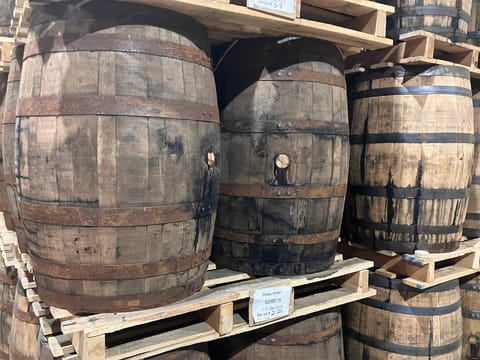
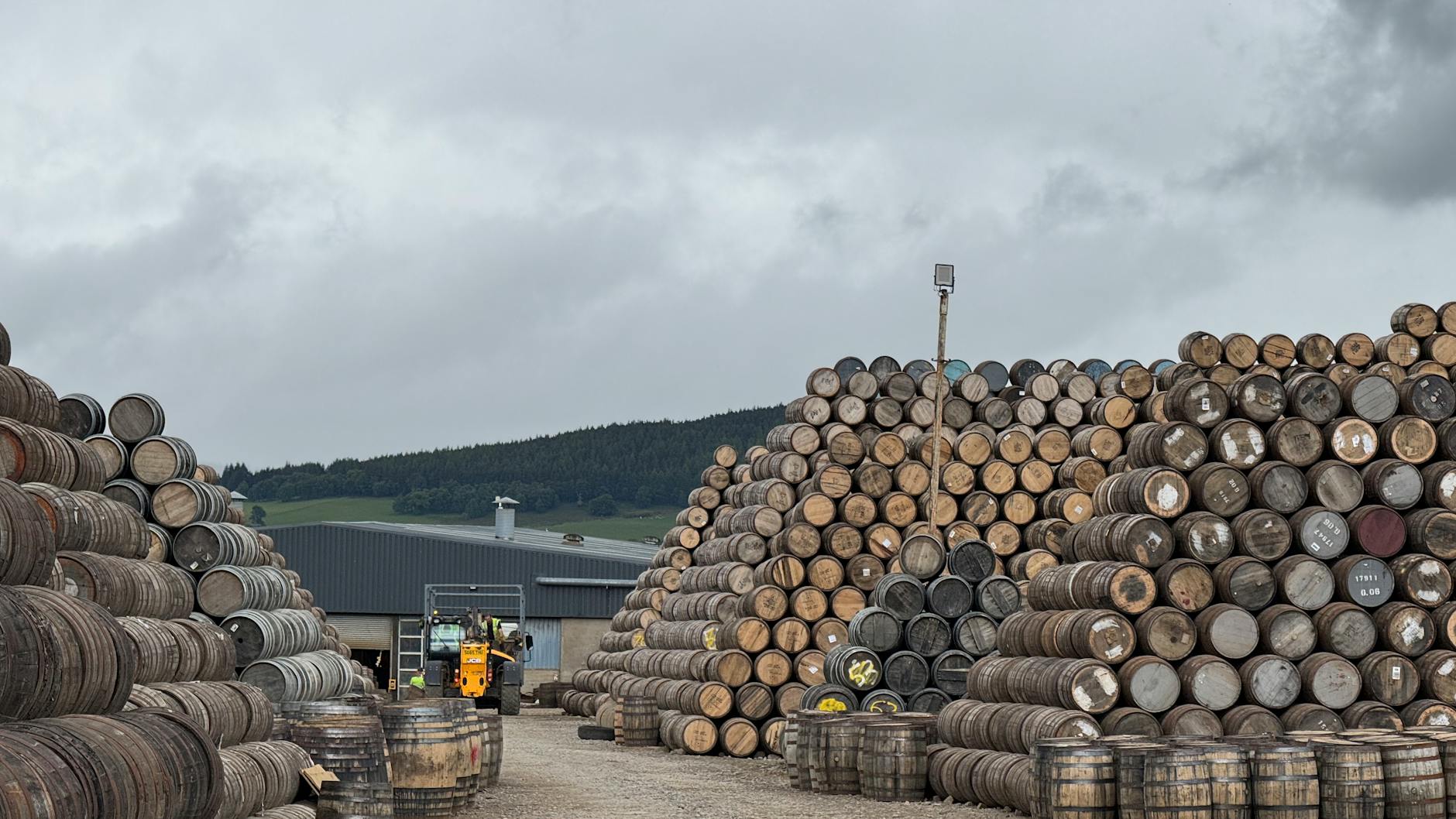
For those tracking the cask market, the Taigh release carries specific implications. A distillery that can demonstrate compelling spirit quality at a young age commands stronger interest for its maturing stock. Torabhaig has been filling casks since 2017, meaning the oldest spirit in the warehouse is now approaching nine years. As that stock matures and the distillery continues to release expressions that build its critical reputation, the value trajectory for early casks becomes more attractive. Comparable situations — Kilchoman being the most frequently cited parallel — suggest that a peated island distillery with strong early reviews and a clear house style can achieve meaningful cask appreciation over a ten-to-fifteen year horizon.
Collectors operating at the bottle level should also note that Torabhaig's output remains relatively limited. The distillery has a production capacity of approximately 500,000 litres of pure alcohol per year, which is modest by industry standards. That supply constraint, combined with growing critical recognition, creates the conditions for secondary market interest to develop. Early Torabhaig releases have already begun to appear at specialist auction, and the Taigh expression is likely to accelerate that trend if the critical consensus holds.
Why the Whisky Trade Should Watch Torabhaig Closely
The broader trade implication of Torabhaig Taigh is what it says about the maturation of Scotland's newer distillery wave. A generation of distilleries that opened between 2013 and 2020 is now reaching the point where their production decisions and house styles are becoming legible to the market. Some will consolidate their reputations; others will struggle to differentiate. Torabhaig, on the evidence of the Taigh release, appears to be in the former camp. Its combination of geographic identity, production discipline, and institutional backing gives it structural advantages that many of its peers lack. Whether it can sustain that quality as volumes increase and older aged expressions begin to emerge will be the defining question for the next phase of its development — but the opening argument is a strong one.
- Producer / Distillery: Torabhaig Distillery, Isle of Skye, owned by Mossburn Distillers
- Category: Scotch Single Malt — Peated, No Age Statement
- Market implication: Strong NAS release from a young distillery signals increasing cask value potential and positions Torabhaig as a credible long-term player in the peated single malt category
Frequently Asked Questions
What is Torabhaig Taigh and why is it significant?
Torabhaig Taigh is the house style expression from Torabhaig Distillery on the Isle of Skye. It carries no age statement and is significant because it demonstrates that a distillery founded in 2017 can produce a peated single malt with the complexity and character typically associated with much older whisky. Its release as a defined house style signals long-term brand intent.
How does Torabhaig compare to established Islay distilleries?
Torabhaig uses heavily peated malt with phenol levels comparable to some Islay producers, but its spirit profile is distinct — characterised by maritime salinity, orchard fruit, and a waxy texture that reflects its Skye provenance and production specifics. It is not an Islay imitation but a genuine island style in its own right.
Is Torabhaig worth considering from a cask investment perspective?
The distillery has been filling casks since 2017, meaning its oldest stock is now approaching nine years of maturation. Combined with strong early critical reception and limited production volumes, Torabhaig casks present an increasingly credible investment case, particularly as the brand builds its reputation through releases like Taigh.
Who owns Torabhaig Distillery?
Torabhaig is owned by Mossburn Distillers, which acquired and restored the historic Torabhaig farm distillery site on the Sleat peninsula of Skye. Mossburn's backing has provided the financial stability needed for the distillery to develop its spirit without rushing premature releases to market.
What is the production capacity of Torabhaig?
Torabhaig has an annual production capacity of approximately 500,000 litres of pure alcohol, which is modest relative to major Scotch producers. That supply constraint is a relevant factor for collectors and investors, as limited output combined with growing demand typically supports secondary market price appreciation.