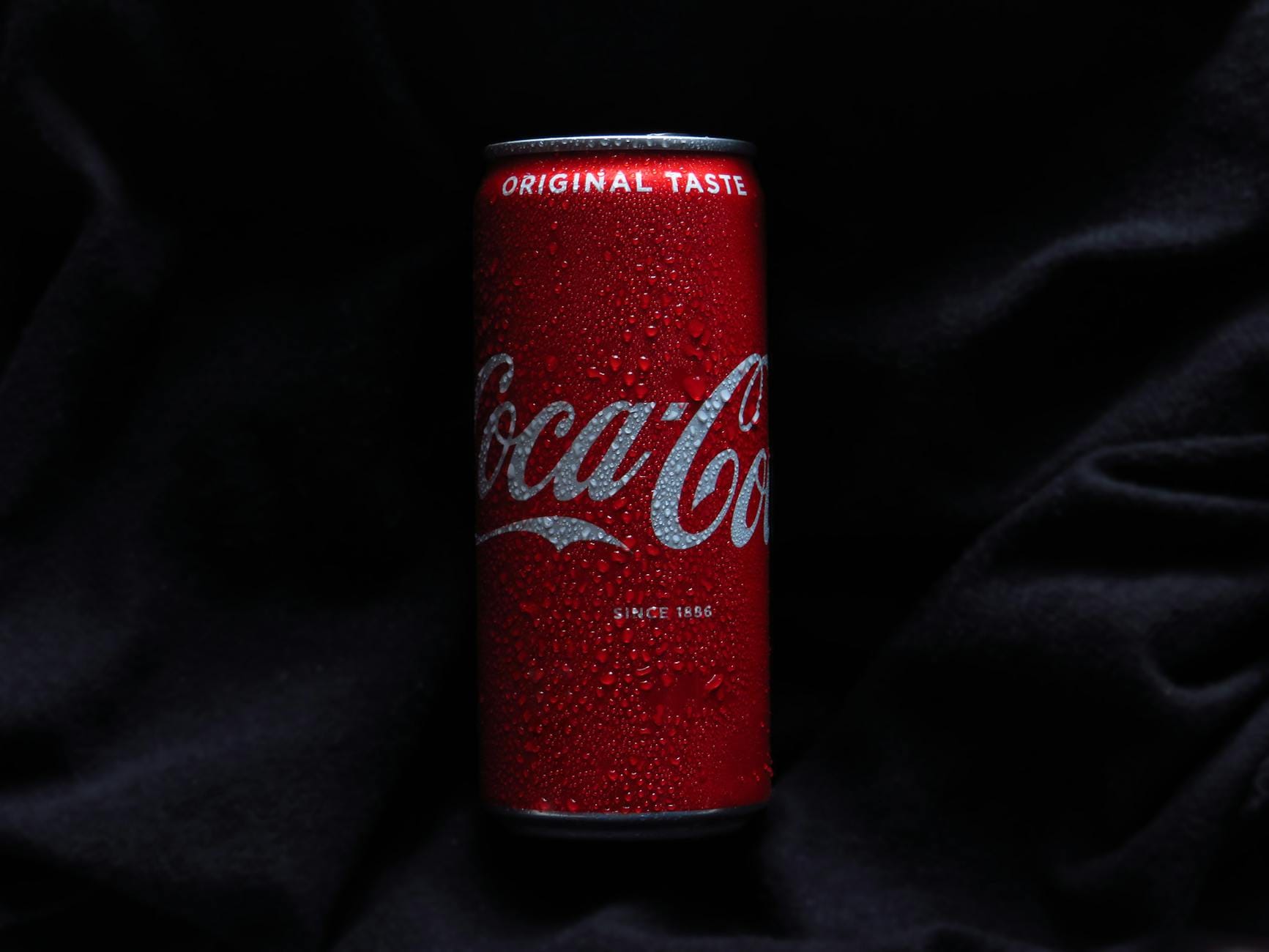
Coca-Cola is preparing to list its Indian bottling parent HCCH. For whisky professionals, the move validates India's premiumisation story, benchmarks beverage distribution values, and signals where institutional capital is heading in the drinks industry.
Coca-Cola India Bottler IPO Signals a New Era for Beverage Capital Markets
The Coca-Cola Company is preparing a potential public listing in India for HCCH — the holding company that controls its largest bottling partner in the country — and the move is sending ripples well beyond the soft drinks aisle. India's beverage sector is now attracting the kind of institutional capital that, until recently, was flowing almost exclusively into premium spirits, including Scotch and Indian single malt whisky. For cask investors and whisky trade professionals, a high-profile beverage IPO in the world's most populous nation is a direct signal about where serious money is moving in the drinks industry. The timing matters: India overtook France as the world's largest Scotch whisky market by volume in 2023, and the country's appetite for premium spirits continues to outpace almost every other major economy.
HCCH, the parent of Hindustan Coca-Cola Beverages, operates extensive cold-chain and distribution networks on the subcontinent — infrastructure that any spirits producer entering India at scale would envy. The sheer reach of that bottling and logistics apparatus underlines just how capital-intensive the Indian beverage market has become. When a company of this scale moves toward a public listing, it validates the broader investment thesis around Indian consumer growth, and that thesis applies with equal force to whisky. The IPO preparation is still at an early stage, with no confirmed exchange, valuation, or timeline publicly disclosed, but the intent alone is market-moving.
Why India Is the Whisky Trade's Most Important Growth Market Right Now
India is not a peripheral whisky market — it is the central one. The country consumes more whisky by volume than any other nation on earth, with domestic Indian-made foreign liquor (IMFL) brands dominating the mass segment, while imported Scotch has been growing at double-digit rates in the premium tier. Diageo's United Spirits, Pernod Ricard India, and a growing cohort of independent Scottish distilleries have all sharpened their India strategies over the past three years. The infrastructure question — how to get premium liquid into a country of 1.4 billion people across 28 states, each with its own excise regime — is precisely what makes a listing like HCCH's so instructive for spirits operators watching from Edinburgh or Kentucky.
The regulatory complexity of the Indian market cannot be overstated. State-level excise duties, varying import tariffs, and a patchwork of retail licensing rules mean that distribution partnerships and logistics networks are often more valuable than the brand itself in determining market share. Any whisky producer serious about India needs to understand that capital deployment in this market looks more like infrastructure investment than traditional brand marketing spend. That is why the HCCH listing matters: it will price one of the country's most sophisticated beverage distribution networks, giving the trade a rare public benchmark for what Indian beverage infrastructure is actually worth. Readers tracking the American whiskey downturn will note that diversification into high-growth markets like India is precisely the hedge that larger spirits groups are pursuing right now.
The Indian single malt category is also maturing rapidly. Distilleries such as Amrut, Paul John, and Indri-Trini have built genuine international reputations, and their domestic sales are accelerating as Indian consumers trade up. A more liquid and transparent Indian capital market — which a major beverage IPO would help catalyse — benefits these producers directly by making equity and debt financing more accessible. The parallel with what happened in Scotland after institutional money arrived in the cask market is not exact, but it is instructive, as those interested in rare whisky auction dynamics will recognise.
5 Trade Lessons the Whisky Industry Should Take From the HCCH Listing
The HCCH IPO preparation offers a concrete set of lessons for anyone operating at the intersection of spirits, capital markets, and emerging-market distribution. These are not abstract observations — they are actionable reads on where the industry is heading.
- Distribution infrastructure commands a premium valuation. In high-growth markets, owning the cold chain and the last-mile logistics network is often worth more than owning the brand. Whisky producers entering India should assess distribution partners with the same rigour they apply to liquid quality.
- Public listings create price transparency. When HCCH lists, it will establish a public market cap for Indian beverage distribution at scale. That benchmark will inform how private equity and trade buyers price spirits distribution assets across South Asia.
- Institutional capital follows consumer growth stories. India's rising middle class and its accelerating premiumisation trend are the same macro forces driving Scotch import growth. The HCCH IPO is institutional validation of that thesis. Whisky groups watching US spirits depremiumisation should take note of where the counter-trend is strongest.
- M&A activity accelerates after IPOs. Public listings in beverage often precede consolidation. The Spendrups acquisition of Umida spirits brands is one recent example of how capital markets activity unlocks M&A in adjacent categories. Indian whisky could see similar consolidation pressure post-listing.
- Regulatory risk must be priced in. India's state-level excise complexity is a material risk factor for any listed beverage business. Whisky importers and cask investors with India exposure should monitor how HCCH's prospectus addresses regulatory risk — it will set a disclosure standard for the sector.
These five points are not exhaustive, but they frame the strategic read that serious trade professionals should be applying. The HCCH listing is, in effect, a stress test for the Indian beverage investment thesis — and whisky has more riding on that thesis than almost any other imported category. Those tracking independent bottler strategy in the UK, such as the Edinburgh independent spirits scene, will find the India angle increasingly relevant as export ambitions grow.
Capital Market Signals and the Whisky Cask Investment Parallel
For cask investors and whisky fund managers, the HCCH listing preparation is worth watching as a leading indicator rather than a direct investment opportunity. When large beverage businesses go public in emerging markets, they typically trigger a rerating of the entire consumer staples and premium drinks sector in that geography. That rerating effect has historically pulled forward valuations for premium spirits brands with meaningful exposure to the same consumer base. Scotland's major distillery groups — many of which have been quietly building India distribution — stand to benefit if the listing proceeds successfully and sustains a strong post-IPO valuation.
India overtook France as the world's largest Scotch whisky market by volume in 2023. A successful HCCH IPO would validate the Indian consumer growth thesis that underpins every major spirits group's Asia strategy.
The cask market angle is subtler but real. As Indian consumers trade up from IMFL to imported Scotch, demand for aged liquid increases — and that demand must be met by casks laid down years in advance. Distilleries that have been filling extra casks in anticipation of Indian demand growth are making a bet that the capital market signals now support. For those following distillery-level production strategy, the recent Slane Distillery production pause and the Brown-Forman takeover saga both illustrate how production decisions and corporate finance are increasingly intertwined across the global spirits industry. Meanwhile, the Niagara Bottling supply chain story is another reminder that infrastructure investment in beverages often precedes brand-level value creation. Closer to home, the Starka Distillery sale shows that bidders in any spirits market are increasingly pricing distribution capability alongside liquid quality. Even niche category moves, like the Kilchoman Maury Cask release, reflect the broader truth that premiumisation and innovation are the engines of value in a market where volume growth is geographically concentrated.
What to Watch: Key Developments Ahead
The HCCH listing remains in preparation, with no confirmed IPO date, exchange, or indicative valuation in the public domain. The trade should monitor the following developments over the coming months to assess how this story evolves and what it means for whisky market positioning in India and beyond.
- Exchange selection: A Bombay Stock Exchange or NSE listing would signal domestic investor appetite; a dual listing with an international exchange would indicate global institutional interest.
- Valuation anchor: The price-to-earnings or EV/EBITDA multiple at which HCCH prices will set a benchmark for Indian beverage infrastructure valuations sector-wide.
- Prospectus risk disclosures: How HCCH characterises India's regulatory environment will be required reading for any spirits importer assessing market-entry risk.
- Post-IPO M&A activity: Watch for whether the listing triggers consolidation among Indian spirits distributors or prompts international drinks groups to reassess their India joint ventures.
- Scotch import data: The Scotch Whisky Association publishes quarterly export figures. A sustained uptick in India volumes in H2 2025 and into 2026 would confirm that the premiumisation trend underpinning the HCCH thesis is accelerating in spirits too.
The immediate action for whisky trade professionals is straightforward: treat the HCCH listing preparation as a macro signal, not a sideshow. Review your India exposure — whether through cask portfolios, export strategy, or distribution partnerships — against the capital market backdrop this IPO is beginning to define. The Indian consumer is not a future opportunity; the Indian consumer is the present reality, and the capital markets are now pricing that in.
Frequently Asked Questions
What is HCCH and why does its IPO matter to the whisky trade?
HCCH is the holding company for Hindustan Coca-Cola Beverages, The Coca-Cola Company's largest bottling partner in India. Its potential IPO matters to the whisky trade because it would publicly value one of India's most extensive beverage distribution networks, setting a benchmark for infrastructure investment in a country that is now the world's largest Scotch whisky market by volume.
How does India's regulatory environment affect whisky imports?
India operates a state-level excise system, meaning import duties, retail licensing, and distribution rules vary significantly across 28 states. This complexity makes distribution partnerships and logistics infrastructure critical competitive advantages for any whisky brand seeking meaningful national scale in the market.
What does the HCCH listing mean for cask investors?
A successful IPO would validate the Indian consumer premiumisation thesis, which underpins demand for aged Scotch and imported whisky. Distilleries filling extra casks in anticipation of Indian demand growth would see that bet supported by public market pricing of the same consumer trend.
Which whisky producers have the most at stake in India?
Diageo's United Spirits and Pernod Ricard India are the dominant imported spirits players. Scottish single malt producers including The Macallan, Glenfiddich, and a growing number of independent distilleries have been actively building India distribution. Indian single malt brands such as Amrut, Paul John, and Indri-Trini also have direct domestic exposure to the premiumisation trend.
When is the HCCH IPO expected to happen?
No confirmed timeline, exchange, or valuation has been publicly disclosed. The Coca-Cola Company has indicated it is preparing for a potential listing, but the process remains at an early stage. Trade professionals should monitor official filings and SWA export data for corroborating signals.
🥃 Considering whisky casks as an investment? Speak to the Whisky Cask Club team — Singapore-based specialists working with collectors and investors across Asia.