Niagara Bottling has acquired an idle recycling plant in Vernon, California. For the whisky trade, it signals accelerating vertical integration in beverage packaging — with real implications for glass costs, distillery margins, and cask investor outlooks.
Niagara Bottling Acquires Vernon Recycling Facility — and the Spirits Trade Is Paying Attention
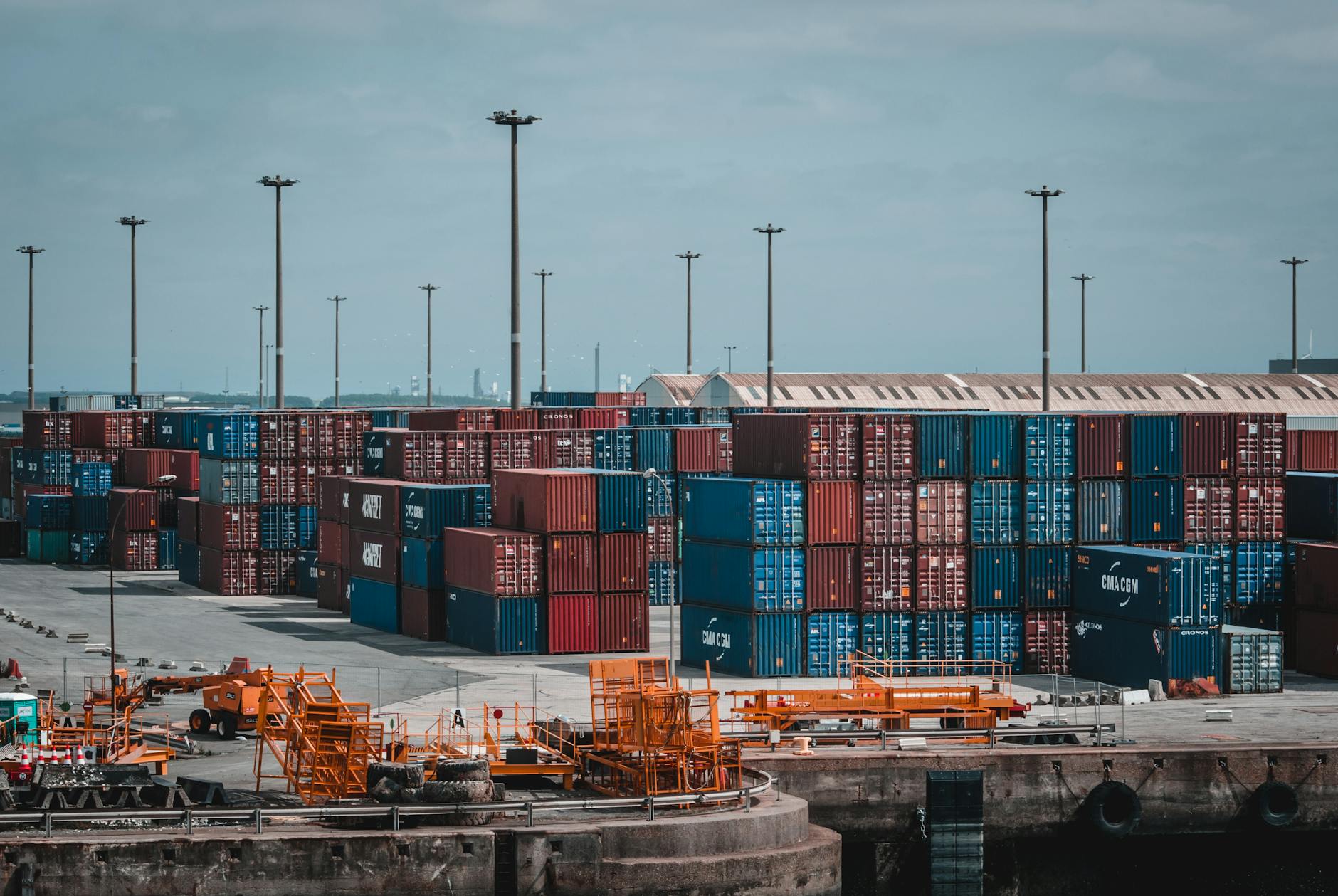
Family-owned beverage giant Niagara Bottling has acquired an idle recycling and packaging facility in Vernon, California, marking strategically significant infrastructure moves in US beverage manufacturing this year. The Vernon plant, previously dormant, positions Niagara — already one of America's largest private-label water producers — to close the loop on its own packaging supply chain in a way few competitors have managed at this scale. For the whisky trade, this move is a signal: vertical integration in beverage packaging is accelerating, and spirits producers who rely on third-party glass, closures, and recycled material streams need to understand what that means for their own cost base. The acquisition was confirmed through filings reviewed by industry observers tracking US beverage M&A activity in 2025.
Niagara Bottling operates across more than a dozen facilities in the United States, supplying private-label bottled water to major retail chains. The company is family-owned and has historically moved quietly — but this purchase breaks from that pattern. Acquiring a recycling plant is not a passive infrastructure play; it is a declaration that Niagara intends to control input costs, reduce dependence on volatile secondary materials markets, and potentially generate new revenue streams from recovered materials. The spirits industry, which faces its own packaging pressures from rising glass costs and sustainability mandates, should treat this as a case study rather than a footnote. As analysts have noted when examining short-term pressures across spirits supply chains, the cost of packaging is no longer a background variable — it is a strategic lever.
Why Packaging Infrastructure Is Now a Competitive Moat for Beverage Producers
The beverage industry's relationship with recycled materials has grown dramatically more complex since 2020. Extended Producer Responsibility legislation, California's strict recycling mandates, and the collapse of certain export markets for recyclables have forced producers to reconsider who controls the material loop. For whisky distilleries and bottlers, the parallel pressure is glass: Scottish distilleries have faced glass supply disruptions, and American producers navigating tariff headwinds flagged by DISCUS are watching input costs with particular anxiety. Niagara's move to own its recycling infrastructure directly addresses this vulnerability — and it is a playbook the spirits sector has been slow to adopt.
Vernon, California is not an arbitrary location. It sits within densely industrialised zones in Los Angeles County, with direct access to major logistics corridors and proximity to California's largest consumer markets. An idle plant in that location represents significant embedded value: permitted infrastructure, existing utility connections, and zoning that would be nearly impossible to replicate from scratch in the current regulatory environment. Acquiring idle industrial assets rather than building new is increasingly the rational choice for beverage producers who need speed to market alongside capital efficiency. The spirits trade has seen similar logic applied in distillery acquisitions — buying mothballed capacity rather than commissioning new builds, a trend visible in everything from Scottish single malt expansions to the high-stakes M&A manoeuvring around Brown-Forman.
Vertical integration in beverage packaging is no longer a luxury — it is a supply chain hedge. Producers who own their material inputs will have a structural cost advantage over those who do not, particularly as sustainability regulation tightens across California and the EU.
Five Supply Chain Shifts the Whisky Trade Should Monitor
Niagara's acquisition is not an isolated event. It reflects a broader restructuring of beverage supply chains that will ripple into the spirits sector over the next three to five years. Understanding the specific pressure points helps distilleries and independent bottlers anticipate where their own cost structures may shift. The cash-flow crisis already documented in spirits supply chains makes this forward-looking analysis urgent rather than academic.
- Glass cost volatility: Recycled glass (cullet) is a primary input for new bottle production. As large beverage companies secure their own cullet supply through owned recycling infrastructure, spot market availability for smaller spirits producers could tighten, pushing up per-unit glass costs.
- Regulatory compliance costs: California's SB 54 and similar Extended Producer Responsibility frameworks require producers to hit recycled content targets. Owning a recycling facility converts a compliance cost into a potential revenue centre — an option not available to producers without capital for infrastructure investment.
- Third-party bottling capacity: Niagara's expanded facility footprint could eventually support contract packaging for spirits brands seeking flexible production. Alternative distribution and production models are already gaining traction among craft and premium spirits producers.
- Sustainability credentials: Closed-loop packaging is becoming a marketing asset, particularly in export markets. Scottish and Irish distilleries targeting EU consumers face growing pressure to demonstrate circular economy credentials — a gap that infrastructure investment can close.
- M&A valuation multiples: Beverage companies with owned infrastructure — including recycling capacity — are commanding higher acquisition multiples. For spirits groups weighing capital allocation, the Vernon deal illustrates that infrastructure assets can be as value-accretive as brand acquisitions.
Each of these five dynamics has a direct analogue in the whisky sector, from independent bottlers managing glass procurement to large distillery groups navigating sustainability reporting requirements. The restructuring logic applied by Crealis and similar spirits infrastructure businesses points in the same direction: own more of the value chain, or accept exposure to those who do. Market data from the ProSpirits Report 2026 reinforces that margin compression is structural, not cyclical, making supply chain ownership increasingly attractive.
What This Means for Whisky Producers and Cask Investors
The immediate impact on whisky producers is indirect but real. As large beverage companies like Niagara consolidate control over recycled material streams, the secondary glass market — which many mid-sized spirits bottlers depend on for competitively priced packaging — becomes less predictable. Bottlers who have built flexible supply arrangements will be better placed than those locked into single-source agreements. For cask investors, the relevance is subtler: packaging cost inflation compresses distillery margins, which in turn affects how aggressively producers can invest in new make spirit, cask procurement, and maturation capacity. A distillery under packaging cost pressure is a distillery that may slow its cask filling programme — and that has direct implications for future supply and secondary market pricing.
The broader M&A environment in beverages also deserves attention. Niagara's acquisition of an idle facility follows a pattern of opportunistic infrastructure buying that has characterised the post-pandemic beverage sector. In whisky, the same logic has driven interest in mothballed distilleries and surplus warehousing. Distillery auction activity has reflected this appetite for underutilised production assets, and the Vernon deal suggests that appetite extends well beyond the spirits category. Euromonitor's analysis of premiumisation plateauing adds further context: when volume growth slows, margin defence through infrastructure control becomes the primary strategic imperative.
For those tracking American whisky specifically, the California angle matters. The state is both a major consumption market for premium spirits and a regulatory laboratory for packaging and sustainability rules that tend to migrate nationally. American whiskey producers with significant California distribution exposure will feel any tightening in recycled glass supply more acutely than those concentrated in less regulated markets. DISCUS's ongoing tariff advocacy already signals how sensitive US spirits producers are to input cost shocks — packaging is the next front in that same battle.
What to Watch: Key Developments Ahead
The Vernon facility acquisition is a starting point, not an endpoint. Several near-term developments will determine how significant this move proves for the wider beverage and spirits sector.
- California EPR implementation timeline: The pace at which SB 54 compliance deadlines are enforced will determine how quickly other beverage producers are forced to secure their own recycled content supply — accelerating or slowing competitive pressure on spot markets.
- Niagara's capacity announcements: If the company discloses throughput figures or announces additional facility acquisitions, it will confirm whether Vernon is a standalone move or the first step in a broader infrastructure strategy.
- Glass cost indices Q3–Q4 2025: Monitor published glass procurement benchmarks for any tightening in cullet availability, particularly in the western US market where California-based production dominates.
- Spirits sector responses: Watch whether major American whiskey producers or their parent groups make analogous infrastructure investments — or whether they absorb cost increases through margin compression and price adjustments. Brown-Forman's strategic moves across multiple markets will be a useful bellwether.
The trade takeaway is clear: infrastructure ownership is becoming a competitive differentiator in beverages, and the whisky sector cannot afford to treat this as someone else's problem. Distillery operators, independent bottlers, and cask investors should each be asking their supply chain partners — now, not next year — how exposed they are to third-party packaging markets and what their contingency looks like if cullet supply tightens. Those conversations, prompted by a water company buying a recycling plant in Vernon, are overdue.
Frequently Asked Questions
Why does Niagara Bottling buying a recycling plant matter to the whisky industry?
Niagara's acquisition of a recycling and packaging facility reflects a broader trend of large beverage producers vertically integrating their packaging supply chains. For whisky producers, this matters because it can tighten the availability and increase the cost of recycled glass used in bottle production, while also illustrating a strategic model that spirits companies may need to adopt to protect margins.
What is the Vernon, California facility and why is its location significant?
The Vernon facility is a previously idle recycling and packaging plant located in one of Los Angeles County's most industrialised zones. Its significance lies in its existing permitted infrastructure, logistics access, and proximity to California's major consumer markets — making it a high-value acquisition that would be difficult and expensive to replicate through new construction.
How could rising glass costs affect cask investors and whisky valuations?
Packaging cost inflation compresses distillery operating margins, which can reduce the capital available for new make spirit production, cask procurement, and maturation investment. A slowdown in cask filling programmes reduces future supply, which can affect secondary market pricing and the long-term value of cask holdings.
What is Extended Producer Responsibility and why does it matter for spirits bottlers?
Extended Producer Responsibility (EPR) legislation, such as California's SB 54, requires beverage producers to meet minimum recycled content targets in their packaging. Producers who own recycling infrastructure can meet these requirements internally and potentially generate revenue from recovered materials, while those without such assets face ongoing compliance costs and exposure to volatile secondary materials markets.
Are whisky distilleries making similar infrastructure investments?
Some larger spirits groups have pursued analogous strategies by acquiring idle distillery capacity or surplus warehousing rather than building new. However, direct investment in packaging or recycling infrastructure remains rare in the whisky sector — making Niagara's move a useful strategic reference point for distillery operators and independent bottlers evaluating their supply chain resilience.