Starka Distillery is for sale with a bid deadline imminent. Its spokesperson identifies aged rye cask stock as the most valuable asset. The sale is a live M&A opportunity with implications for cask investors and spirits trade buyers tracking European distillery acquisitions in 2026.
Starka Distillery Goes to Market With Bidding Deadline Imminent
With a formal bid deadline closing within days, Starka Distillery has emerged as one of the more unusual acquisition opportunities in the European spirits market this year. The distillery, best known for producing Starka — a category of aged rye spirit with roots stretching back centuries in Eastern European tradition — is actively seeking a new owner, and its spokesperson has now gone on record to outline precisely where the greatest commercial value lies for any incoming buyer. For trade observers and cask investors watching M&A activity across the sector, this is not a peripheral story. It is a live auction with real strategic implications for the broader whisky and aged spirits market.
The timing matters. The global M&A environment for distilleries remains highly selective in 2026, with buyers demanding tangible asset value rather than brand promises alone. In that context, Starka's spokesperson has been unusually candid about the asset mix on offer — a transparency that itself signals a degree of urgency and a willingness to attract serious trade bidders rather than speculative interest. For anyone tracking category-level downturns and recovery cycles in aged spirits, the Starka sale represents a counter-cyclical opportunity worth examining closely.
What Starka Distillery Actually Produces — and Why the Category Matters
Starka is not Scotch, and it is not bourbon — but it shares more DNA with both than most Western buyers might expect. The spirit is produced from rye mash, aged in oak casks, and carries age statements that would be competitive with many established whisky expressions. Traditional Starka production involves extended maturation periods, with some expressions resting in cask for ten years or more, developing the kind of complexity that serious collectors and on-trade buyers recognise as genuine provenance rather than marketing artifice. The category sits at a compelling intersection between Eastern European heritage spirits and the global aged spirits market that whisky investors already understand.
The distillery's production infrastructure is a core part of the value proposition. Buyers are being pointed toward the maturation stock — aged rye casks currently warehoused on site — as the most immediately monetisable asset in the sale. This is a familiar dynamic for anyone who has followed rare whisky auction dynamics or tracked how distillery acquisitions are structured when significant aged stock is involved. The casks are not merely inventory; they represent years of capital tied up in spirit that a buyer could begin releasing to market relatively quickly, depending on their commercial strategy and the age profiles involved.
For context on how aged spirits assets are valued at auction and in private sale, the lessons from Christie's 50-year California cellar sale are instructive — provenance, documentation, and cask condition are the three variables that move price most dramatically in competitive bidding environments. Starka's spokesperson has been careful to emphasise the documented heritage of the distillery's production records, which would be a significant due diligence advantage for any serious acquirer.
The Asset Breakdown: Where Bidders Should Focus Their Due Diligence
Based on the distillery's own framing of the sale, the value layers can be broken down as follows:
- Aged rye cask stock: The most liquid and immediately valuable asset. Depending on age statements and cask type — oak barrels are standard for Starka production — this stock could be bottled and released under an existing or new brand within months of acquisition.
- Production infrastructure: The distillery's physical plant, including fermentation, distillation, and warehousing capacity, represents a capital-intensive asset that would cost significantly more to replicate from scratch than to acquire through this sale.
- Brand and category positioning: Starka as a category carries genuine historical weight in Eastern European markets and is increasingly recognised by Western spirits buyers seeking alternatives to over-traded Scotch and bourbon expressions. The brand IP is an undervalued component for any buyer with distribution reach.
- Geographic market access: The distillery's existing trade relationships and regulatory approvals in its home market represent a meaningful head start for any acquirer looking to build or expand a presence in Central and Eastern Europe.
- Export development potential: With the right commercial backing, Starka as a category has demonstrable room to grow in Western European and North American markets where aged rye spirits are gaining traction alongside premium rye whiskey expressions.
The cask stock, in particular, deserves close scrutiny from any bidder with experience in spirits asset valuation. Unlike a greenfield distillery investment, where a buyer must wait years before any aged product is available, Starka's warehoused spirit means revenue generation could begin in the near term. This is precisely the kind of structural advantage that distillery investors look for when timing acquisitions against wider market cycles.
M&A Context: How the Starka Sale Fits the Wider Spirits Market
The Starka sale does not exist in isolation. Across the spirits sector, M&A activity in 2026 has been characterised by a bifurcation between large-scale consolidation — exemplified by moves like Brown-Forman rejecting Sazerac's $15bn approach — and smaller, asset-rich distillery acquisitions where value is driven by stock rather than scale. Starka falls firmly into the second category, and that is not a weakness. For the right buyer, a distillery with genuine aged stock, documented heritage, and a category with room to grow internationally is a more straightforward value proposition than a complex corporate merger.
Regional European spirits M&A has also been active. The Spendrups acquisition of Umida spirits brands in Sweden earlier this year illustrated how established beverage groups are using targeted acquisitions to build category breadth rather than simply chasing volume. A buyer with existing distribution infrastructure in Europe could apply similar logic to Starka — acquiring the asset, rationalising the brand portfolio, and using the aged stock to generate early returns while building longer-term category recognition.
The broader market context for aged rye spirits is more favourable than it has been at any point in the past decade. Consumer interest in alternatives to mainstream Scotch and bourbon has driven meaningful growth in categories including Japanese whisky, Irish whiskey — where value expressions continue to punch above their weight at competition level — and now Eastern European aged spirits. Starka sits at the leading edge of that trend, which makes the timing of this sale strategically interesting for buyers willing to take a medium-term view.
For anyone tracking how distillery acquisitions play out post-sale, the experience of newer operations like Titanic Distillers in Belfast — which has attracted significant attention and investment by combining heritage storytelling with credible production credentials — offers a useful template. Starka has both the heritage and the production credentials. What it needs is a buyer with the commercial vision and distribution reach to activate them.
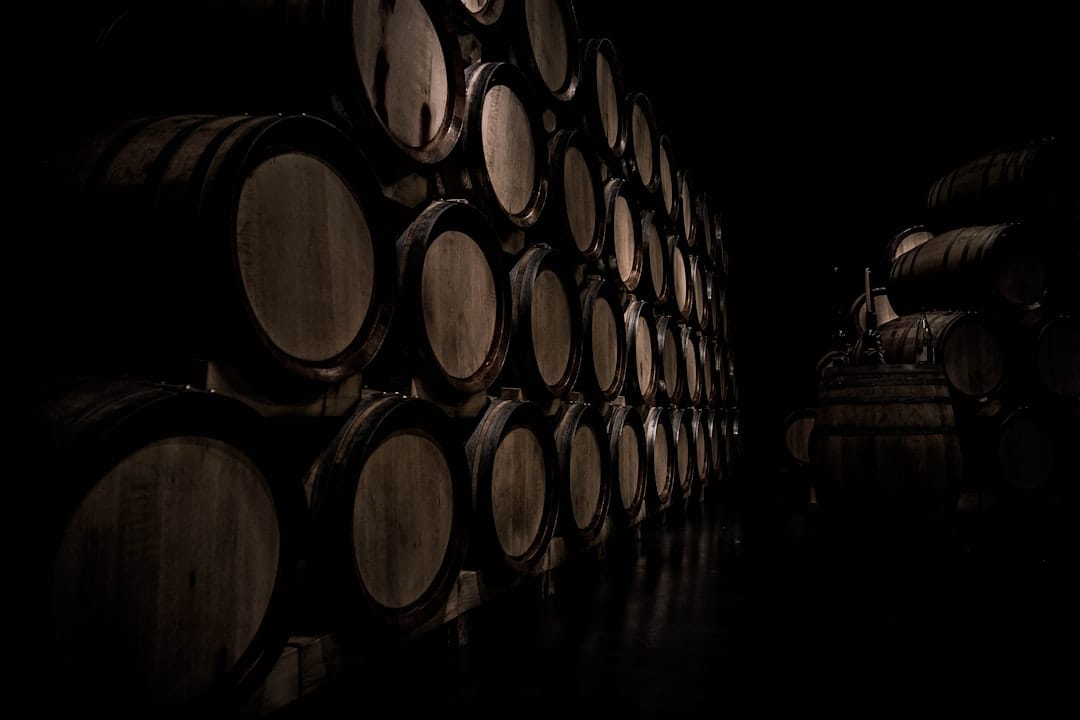
The aged rye cask stock currently warehoused at Starka Distillery represents the most immediately monetisable asset in the sale — a structural advantage that separates this opportunity from greenfield distillery investments where buyers must wait years before any aged product reaches market.
What to Watch: Key Dates and Trade Implications Ahead
The bid deadline is the immediate pressure point. Any serious trade buyer, private equity vehicle with spirits exposure, or established distillery group that has not yet submitted a formal expression of interest is now operating with very little runway. Post-deadline, the process moves to evaluation and preferred bidder selection, at which point the window for competitive positioning closes.
For the wider whisky and aged spirits trade, the Starka sale is worth monitoring for two reasons beyond the immediate transaction. First, the price achieved will serve as a data point for how the market values aged rye cask stock in a European context — useful intelligence for anyone involved in cask investment and auction strategy. Second, the identity of the eventual buyer will signal something meaningful about where strategic capital is flowing within the spirits sector in 2026. A trade buyer with existing distribution suggests consolidation logic; a financial buyer suggests confidence in the asset's standalone value and exit potential.
Whisky Bulletin will continue to track the outcome of the Starka sale and report on the transaction terms as they become available. Trade readers with active cask portfolios or M&A mandates in the spirits sector should treat this as a live development rather than background noise. If the distillery's spokesperson is correct about where the value lies, the buyer who moves decisively on the cask stock argument stands to acquire a genuinely underpriced asset in a category with credible upside. The bid window is closing. The question now is who is positioned to act.
Frequently Asked Questions
What is Starka Distillery and what spirit does it produce?
Starka Distillery produces Starka, a traditional Eastern European aged rye spirit with a production history stretching back several centuries. The spirit is made from rye mash and matured in oak casks, with some expressions carrying age statements of ten years or more. It shares structural similarities with aged whisky in terms of production method and maturation profile.
Why is Starka Distillery being sold and what assets are included?
The distillery is actively seeking a new owner through a formal sale process with a bid deadline that closed imminently at the time of reporting. The sale includes the production infrastructure, aged rye cask stock currently in warehouse, brand intellectual property, and existing market relationships. The distillery's spokesperson has identified the aged cask stock as the most immediately valuable component of the asset package.
Who is likely to bid for Starka Distillery?
Potential bidders include established spirits groups seeking category diversification in Eastern Europe, private equity vehicles with existing spirits exposure, and independent distillery operators with distribution reach in Western European or North American markets. The transparent communication from the distillery's spokesperson suggests the sale process is targeting serious trade buyers rather than speculative interest.
How does the Starka sale compare to other spirits M&A deals in 2026?
The Starka sale is a smaller, asset-driven transaction compared to large-scale corporate mergers dominating headlines in 2026. It is most comparable to regional European spirits acquisitions where aged stock and category positioning drive value, rather than volume or global brand recognition. The deal is being watched as a pricing benchmark for aged rye cask assets in a European context.
What is the investment case for aged rye cask stock?
Aged rye cask stock allows a buyer to generate revenue relatively quickly post-acquisition by bottling and releasing existing spirit, rather than waiting years for new production to mature. This structural advantage reduces the capital payback period compared to greenfield distillery investments and provides a tangible asset base that can be independently valued during due diligence.
🥃 Considering whisky casks as an investment? Speak to the Whisky Cask Club team — Singapore-based specialists working with collectors and investors across Asia.