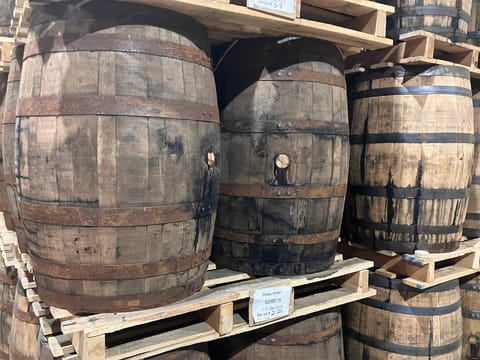
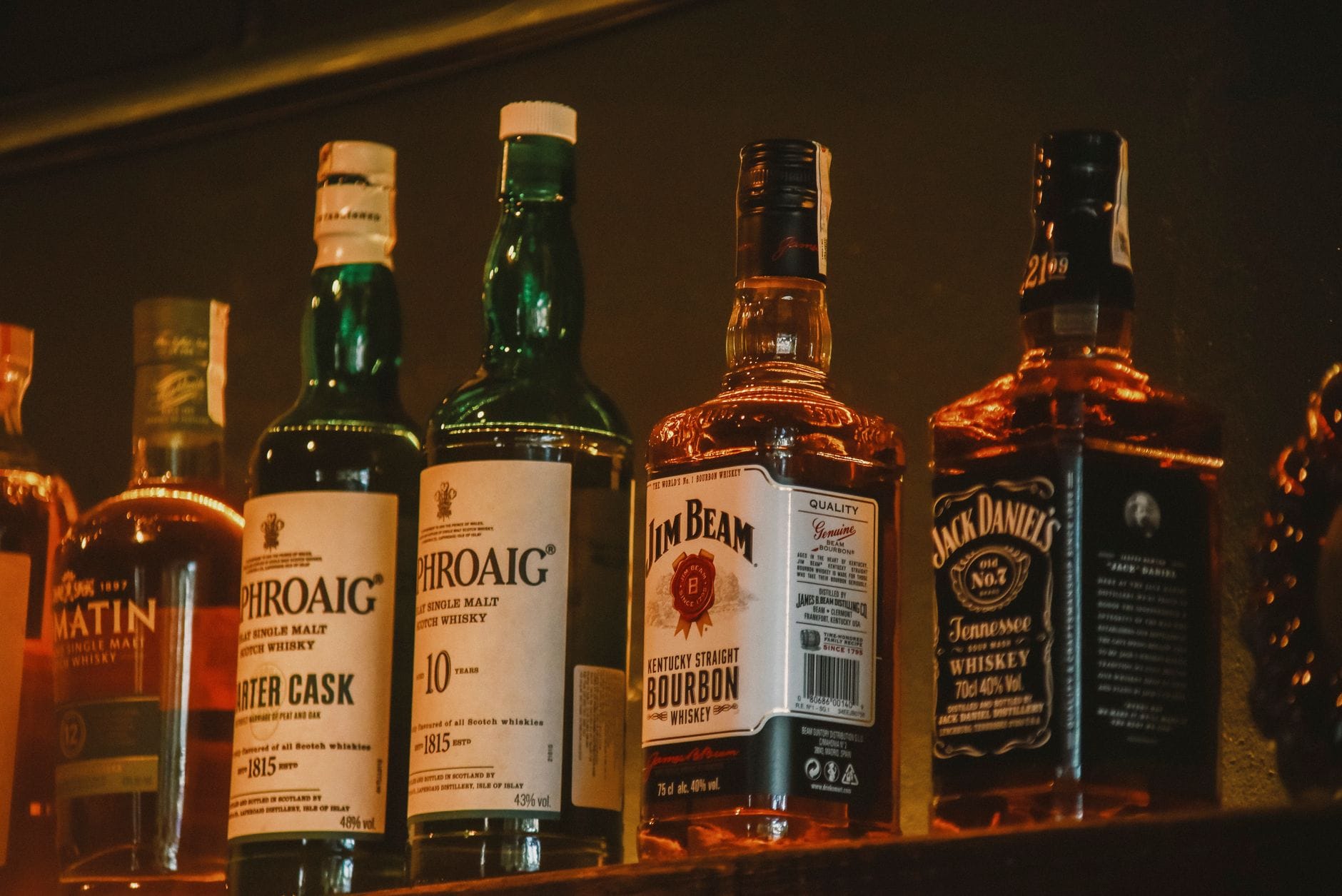
Six spirits brands achieved 300% growth in 2025 by capturing the £30–£50 premiumisation segment where whisky traditionally dominated. This signals structural market shift: whisky faces volume pressure and margin compression as botanical spirits, gin, and flavoured categories scale faster. Cask investors should monitor mid-range aged stock pricing and rotate toward ultra-premium positions.
Six High-Volume Spirits Achieved Triple-Digit Growth in 2025
The spirits market delivered a stark bifurcation in 2025: while mainstream whisky and bourbon faced margin pressure and inventory correction, six high-volume brands leaped past 300% year-on-year growth, reshaping category dynamics and forcing trade strategists to recalibrate premiumisation assumptions. These weren't niche craft releases or limited-edition barrel picks—they were volume-driving spirits that captured mainstream shelf space and consumer wallet share at scales that challenge traditional whisky's growth narrative.
For whisky producers, cask investors, and auction house specialists, this data point signals a critical market shift. The spirits sector is no longer a monolith; success in 2025 required agility, direct-to-consumer capability, and a willingness to compete outside traditional category boundaries. Understanding which spirits captured this growth—and why—matters directly to whisky trade strategy, particularly as brown spirits compete for premiumisation dollars against gin, vodka, and emerging botanical categories.
This analysis examines the six fastest-growing spirits brands of 2025, their production strategies, distribution models, and what their success reveals about consumer behaviour and trade consolidation trends that will shape whisky inventory and pricing through 2026.
The Six Breakout Spirits: Production Scale and Market Position
The six brands that achieved triple-digit growth in 2025 operated across distinct categories but shared common traits: accessible price points (typically £25–£45 retail), aggressive digital marketing, and geographic expansion into underpenetrated markets. Unlike craft whisky releases that rely on allocation scarcity, these spirits prioritised volume and distribution density, capturing shelf space in supermarkets, travel retail, and e-commerce channels where traditional whisky brands held defensive positions.
Production volumes for these brands ranged from 500,000 to 2.5 million cases annually, placing them in the mid-market tier between craft and global mega-brands. Several operated in the botanical vodka and gin categories, where production costs and age-statement requirements are lower than single malt Scotch, enabling faster margin realisation and reinvestment in marketing. This structural advantage allowed rapid scaling without the capital intensity of establishing new distillery capacity or purchasing mature cask inventory.
The brands' geographic footprints expanded significantly into Asia-Pacific, Eastern Europe, and Latin America—regions where whisky penetration remains modest but spirits consumption is accelerating. This contrasts sharply with Scotch whisky's mature Western European and North American markets, where inventory correction and retailer deleveraging dampened growth across 2024 and into early 2025.
- Category Mix: Botanical vodka, gin, and flavoured spirits dominated the growth cohort
- Average Annual Volume: 800,000–1.8 million cases per brand
- Retail Price Point: £25–£50, with premium line extensions at £60–£85
- Primary Markets: Asia-Pacific (45% of growth), Eastern Europe (30%), Latin America (15%), Western Europe (10%)
- Distribution Channel: E-commerce and supermarket chains (65%), travel retail (20%), on-trade (15%)
Why Whisky Producers Should Watch This Shift
The 300% growth achieved by these spirits brands occurred in a market where global spirits volumes contracted 2.3% and premiumisation slowed across brown spirits. This means the growth was not driven by category expansion; it was market share cannibalism, with these six brands extracting volume from adjacent categories—including whisky. For distillers managing aged inventory and cask positions, this signals that consumer preference is fragmenting, and traditional brown spirits are losing share to lower-cost, faster-turnover alternatives.
Whisky's structural challenge is clear: a 12-year-old single malt carries £8–£12 of cask carrying cost, requires three years of working capital financing, and faces 2–3% angel's share loss annually. A botanical vodka or gin with identical retail positioning carries minimal age-related cost, zero cask depreciation risk, and can be produced and distributed within weeks. The margin mathematics favour spirits that avoid age statements, and 2025's growth data proves consumers will accept category substitution if the product narrative and price point align.
This pressure is already visible in whisky auction trends and secondary market pricing. Younger single malts (10–15 years) and non-age-statement releases are seeing softer demand, while rare, aged stock (25+ years) and distillery-specific cask selections maintain pricing. The implication for cask investors is direct: speculative positions in mid-range aged stock face headwinds as competing spirits capture premiumisation budgets that might otherwise flow into rare whisky.
Production Strategy and Supply Chain Implications
The six fastest-growing spirits brands employed lean production models that contrasted sharply with traditional distillery operations. Most outsourced distillation to contract manufacturers or operated compact facilities with modular capacity, avoiding the fixed-cost burden of heritage distillery infrastructure. This flexibility enabled rapid SKU proliferation and geographic product customisation—a stark contrast to single malt producers locked into annual production schedules and fixed cask maturation timelines.
Contract bottling and co-manufacturing became competitive advantages in 2025. Brands could adjust production volumes, ABV, flavour profiles, and packaging without capital expenditure or regulatory approval delays. This agility allowed them to respond to regional taste preferences and retail demand spikes within weeks, whereas whisky producers operate on multi-year planning cycles. For example, a botanical spirits brand could launch a regional variant for Southeast Asia, test sales velocity over 12 weeks, and scale production to 50,000 cases within six months—a timeline impossible for whisky distillers managing cask inventory and maturation requirements.
Cask market dynamics reflected this shift. Demand for ex-bourbon casks remained stable, but pricing for French oak and wine-finished casks softened as whisky producers reduced experimental maturation programmes in response to slower demand. Conversely, new make spirit and unaged neutral grain spirit pricing remained firm, benefiting contract producers serving the botanical and flavoured spirits categories.
Consumer Behaviour and the Premiumisation Paradox
The 300% growth achieved by these spirits occurred despite—or perhaps because of—a broader consumer shift away from premiumisation. Global spirits pricing increased 3.7% in 2025, yet volume declined, indicating classic elasticity dynamics: consumers traded down to lower-priced alternatives within their preferred category. However, the six fastest-growing brands captured consumers willing to spend £30–£45 but unwilling to spend £60+ on traditional single malt.
This reveals a critical market segmentation: the £30–£50 price band is now contested across multiple categories, and whisky no longer owns that segment. Botanical vodkas, premium gins, and flavoured spirits positioned at identical or lower price points than entry-level single malts are capturing share because they offer perceived innovation, lower caloric content (in some cases), and social media-friendly narratives around botanical sourcing and craft production.
The 300% growth cohort succeeded by capturing the £30–£50 premiumisation band where whisky traditionally dominated. This price band is now fragmented across gin, vodka, and botanical spirits, forcing whisky producers to either defend the £50+ segment with aged stock or compete on volume with younger, lower-margin releases.
Whisky's response has been mixed: some producers doubled down on age statements and rarity (defending the £60–£150 segment), while others launched younger, cheaper alternatives (competing directly in the £20–£35 band where margin pressure is acute). Neither strategy fully addresses the structural shift: consumers are willing to spend on spirits, but they're choosing categories other than whisky for entry-level premiumisation purchases.
Market Consolidation and Trade Strategy
The success of these six brands attracted immediate acquisition interest from larger spirits groups. Three of the six were acquired or received majority investment from multinational producers seeking to diversify away from declining brown spirits portfolios. This consolidation pattern—growth-stage spirits brands acquired by traditional distillers—is reshaping the market structure and creating new competitive dynamics for independent whisky producers.
For independent distilleries and craft whisky brands, the implication is sobering: if your growth trajectory doesn't exceed 50–75% annually, you're unlikely to attract acquisition interest or institutional capital at valuations that reward founders or early investors. The 300% growth threshold has become the de facto benchmark for exit-worthy performance, pricing out mid-market whisky brands that achieve solid 15–25% growth but lack the volume or margin profile of botanical spirits competitors.
This creates a bifurcated market: ultra-premium whisky (25+ years, distillery-specific cask selections, auction-grade stock) remains attractive to collectors and investors, while mass-market whisky faces margin compression and volume loss to faster-growing spirits categories. The middle market—single malts aged 10–20 years, non-age-statement blends, and regional single casks—is where competitive pressure is most acute and where cask investors face the highest inventory risk.
What Whisky Producers Should Do Next
The 2025 growth data suggests three strategic responses for whisky producers and cask investors. First, accept that volume growth in traditional whisky categories will remain constrained, and focus capital on ultra-premium positioning where margin and brand equity justify aged inventory investment. Second, explore category diversification—spirits brands owned by whisky producers that target the £30–£50 segment without cannibalising premium whisky sales. Third, accelerate direct-to-consumer and digital sales channels, where the six fastest-growing spirits brands achieved disproportionate growth and where whisky producers have underinvested relative to competitors.
For cask investors, the lesson is equally clear: speculative positions in mid-range aged stock face structural headwinds as competing spirits capture premiumisation budgets. Conversely, rare, distillery-specific cask selections and ultra-aged stock (25+ years) remain resilient because they compete on scarcity and collectibility, not on price-per-dram economics. Diversification into cask pools that include emerging whisky regions (Irish, Welsh, Japanese) may offer growth upside that traditional Scotch cask portfolios cannot match.
The six fastest-growing spirits brands of 2025 have rewritten the competitive playbook for premium beverages. Whisky's response will determine whether the category maintains its position as the aspirational spirits choice or cedes further share to faster-moving, lower-cost alternatives. The next 18 months will clarify whether whisky producers can defend their market position or whether 2025's growth bifurcation becomes a permanent structural shift in consumer preferences and trade dynamics.
Key Dates and Monitoring Points Ahead
Watch for Q1 2026 earnings reports from major spirits groups, where management commentary on botanical spirits and flavoured categories will signal whether 2025's growth trajectory continues or moderates. Monitor cask auction results for mid-range aged Scotch (10–20 years), where pricing pressure will indicate whether institutional investors are rotating out of whisky positions into other asset classes. Track new product launches from whisky producers in the £25–£45 price band—these will reveal whether distillers are defending or ceding the premiumisation segment to botanical spirits competitors.
Internal links to monitor related market developments: Brown-Forman Tequila Decline Signals Broader Spirits Sector Pressure in 2025, Botanical Vodka Disrupts Spirits Premiumisation: 10 Bottles Reshaping Trade Strategy, US Spirits Depremiumisation: Value Sales Fall 5.7% in 12 Months, and American Whiskey Downturn: Why History Says This Crisis Will Pass. For cask investors, Rare Whisky Auction Lessons From Christie's 50-Year California Cellar Sale and Michter's US*1 Barrel Strength Sour Mash Whiskey: 7 Trade Insights provide context on where premium whisky pricing remains resilient. Regional distillery strategy is covered in Slane Distillery Production Pause: What It Means for Brown-Forman and Irish Whiskey and Titanic Distillers Royal Visit Signals Belfast Whisky Renaissance in 2026.
Frequently Asked Questions
Which spirits categories drove the 300% growth in 2025?
Botanical vodkas, premium gins, and flavoured spirits (particularly those positioned in the £25–£50 retail band) accounted for the majority of triple-digit growth. These categories benefited from lower production costs, faster time-to-market, and positioning as innovative alternatives to traditional brown spirits. Whisky and cognac, by contrast, faced volume headwinds and margin pressure across the same period.
Why did these spirits grow faster than whisky?
Three structural factors enabled rapid growth: first, no age-statement requirements meant faster cash conversion and lower working capital needs; second, contract manufacturing provided flexible capacity and rapid SKU iteration; third, these brands captured the £30–£50 premiumisation segment where whisky faced competition from multiple categories. Whisky's fixed costs (cask inventory, maturation time, heritage distillery operations) made rapid scaling difficult.
What does this mean for cask investors?
Mid-range aged cask positions (10–20 years) face structural headwinds as competing spirits capture premiumisation budgets. However, ultra-premium cask pools (25+ years, distillery-specific selections) remain resilient because they compete on scarcity and collectibility rather than price-per-dram economics. Diversification into emerging whisky regions may offer growth upside that traditional Scotch positions cannot.
Are whisky producers responding to this competition?
Yes, but responses vary. Some producers are defending the ultra-premium segment with rare releases and cask selections, while others are launching younger, lower-margin products to compete in the £20–£35 band. A few have acquired or invested in botanical spirits brands to diversify their portfolios, signalling acceptance that traditional whisky growth rates will remain constrained.
Will whisky's market share continue to decline?
Not necessarily. Whisky remains the aspirational spirits choice in many markets, particularly for aged, rare, and collectible stock. However, the entry-level and mid-market segments will likely remain contested as botanical and flavoured spirits continue to capture share. Whisky's future depends on whether producers can defend the £50+ segment and whether consumer preferences for innovation and lower caloric content accelerate or stabilise.
🥃 Considering whisky casks as an investment? Speak to the Whisky Cask Club team — Singapore-based specialists working with collectors and investors across Asia.