A 2,300-year-old beer from a Zhou dynasty tomb near the Great Wall validates aged spirit preservation science and hands Chinese whisky producers a cultural narrative of unmatched historical depth — with real implications for premium positioning in global markets.
2,300-Year-Old Chinese Beer Discovery Shakes the Ancient Spirits World
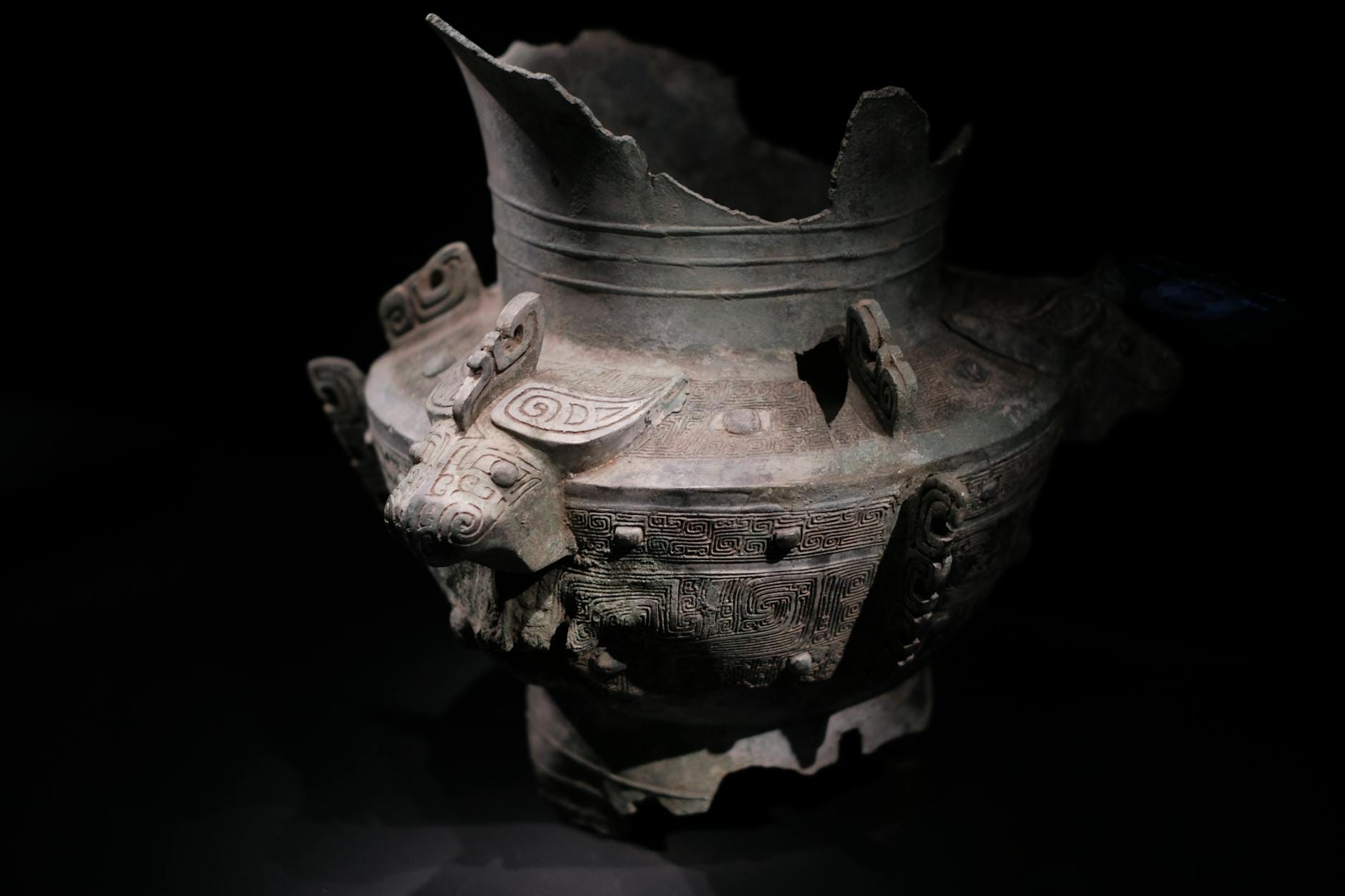
A sealed vessel containing what archaeologists have confirmed is a 2,300-year-old beer — brewed during the Zhou dynasty and described by researchers as "masterfully fermented" — has been unearthed from a fourth-century BC tomb located approximately one mile from the Great Wall of China. The discovery, made during excavations of a burial site believed to date to the Warring States period, represents significant finds in the history of fermented beverages. For a trade that obsesses over age statements, cask provenance, and the chemistry of long maturation, this is a find that demands attention.
If you work in whisky — whether you're tracking single cask maturation, assessing the long-term value of aged spirit in bond, or simply fascinated by what time does to a fermented liquid — this discovery is directly relevant to your professional framework. The science of preservation, fermentation chemistry, and the cultural weight of aged alcohol all intersect here in ways that carry real implications for how the trade thinks about provenance, rarity, and the upper limits of drinkable age. The whisky industry's entire value proposition around aged spirit rests on the same fundamental premise this tomb just validated: that time, properly managed, transforms a fermented liquid into something extraordinary.
What Was Found and How Was It Preserved?
The vessel recovered from the tomb near the Great Wall contained liquid that archaeologists and biochemists were able to analyse for its fermentation profile. The beer — brewed under the Zhou dynasty, which ruled China from around 1046 BC to 256 BC — had survived more than two millennia in near-perfect condition due to the sealed, oxygen-deprived environment of the burial chamber. Researchers noted that the fermentation process used to produce it was sophisticated for its era, suggesting a developed brewing culture with established grain preparation techniques and controlled fermentation environments. No ABV figure has been confirmed for the ancient liquid, though Zhou-era brewing records suggest grain-based beverages of the period typically ranged from low to moderate alcohol content.
The preservation conditions draw an obvious parallel to the whisky industry's understanding of warehouse environments. In the same way that a carefully managed dunnage warehouse — with its controlled humidity, consistent temperature, and limited oxygen exchange — can protect a maturing cask for decades, the tomb's sealed stone construction created conditions that arrested chemical degradation almost entirely. The find is a reminder that the fundamentals of spirit preservation are not modern inventions but ancient instincts. Those interested in how cask type and environment affect long-term maturation can draw a direct intellectual line from this Zhou dynasty vessel to discussions around sherry cask maturation in contemporary single malt production.
The tomb itself was located during a planned infrastructure project, a pattern familiar to archaeologists working in China's densely historical northern provinces. The proximity to the Great Wall — a structure whose construction began in earnest during the same general period — gives the find additional cultural resonance. Excavation teams worked with biochemists from Chinese academic institutions to confirm the liquid's fermentation origin, ruling out contamination and establishing its identity as a grain-based beer rather than a fruit wine or ritual liquid.
Ancient Fermentation and What It Tells the Modern Whisky Trade
The whisky industry has long used historical precedent to justify premium pricing and long-term holding strategies. Age statements from 18 to 50 years command significant premiums at auction, and the argument is always the same: time in cask creates complexity that cannot be manufactured. This Zhou dynasty beer validates that argument at a civilisational scale. The fact that a fermented grain beverage brewed 2,300 years ago could survive intact — and be identified as "masterfully fermented" by modern researchers — speaks to the extraordinary durability of well-made alcohol when properly stored.
For cask investors and collectors, the discovery also prompts a more practical question: what is the actual upper limit of aged spirit quality? The whisky trade has debated this for years, with some distillers arguing that Scotch malt whisky peaks somewhere between 25 and 40 years in oak before wood tannins overwhelm the spirit's character. Others, including producers of ultra-aged releases, push that boundary further. The Zhou dynasty find doesn't answer that question directly, but it does confirm that fermentation science — even without modern quality controls — can produce liquids of remarkable longevity. Those tracking auction market movements for aged whisky will find the cultural narrative around ancient fermentation increasingly relevant to buyer psychology.
- Approximate age of the beer: 2,300 years, dating to the Zhou dynasty (Warring States period, fourth century BC)
- Location of discovery: Tomb approximately one mile from the Great Wall of China, northern China
- Preservation method: Sealed burial chamber with minimal oxygen exchange, analogous to controlled warehouse storage
- Fermentation description: Described by researchers as "masterfully fermented," indicating sophisticated brewing technique
- Grain base: Consistent with Zhou-era brewing traditions using millet and other cereal grains
- Confirmed ABV: Not yet published; Zhou-era beverages typically low-to-moderate alcohol content
"The find confirms what the whisky trade has always known instinctively: that a well-made fermented grain beverage, properly sealed from oxygen, can outlast almost anything. The Zhou dynasty brewer and the modern distillery manager share the same fundamental goal."
Broader Market Implications for World Whisky and Asian Spirits
The timing of this discovery is not commercially neutral. Chinese whisky has been attracting serious trade attention over the past several years, with domestic producers investing in aged stock and international buyers beginning to assess Chinese single malt as a credible category. The discovery of a 2,300-year-old beer near the Great Wall hands Chinese spirits producers a cultural narrative of extraordinary depth — one that no Scotch, Irish, or American distillery can match on historical grounds alone. Expect Chinese whisky marketing teams to reference this find in brand storytelling, and expect international buyers to respond to that narrative in ways that affect premium positioning.
The broader world whisky category is already in motion. Japanese whisky built its global premium reputation partly on cultural storytelling around craft and heritage. Indian producers have leveraged centuries of distillation tradition. Chinese whisky now has an archaeological anchor that predates all of them. For the trade, the question is whether producers like Moutai's whisky division, or newer craft distilleries emerging in Sichuan and Yunnan, will have the marketing sophistication to deploy this narrative effectively at international trade events.
Meanwhile, the discovery arrives against a backdrop of genuine pressure on the global spirits market. US spirits depremiumisation has been a dominant trade story, with value sales falling 5.7% over twelve months as consumers trade down across categories. In that environment, cultural provenance and historical depth become more — not less — important as differentiators for premium-priced products. Distributors and importers assessing Asian spirits portfolios should factor the growing narrative weight of Chinese fermentation history into their range-building decisions. Asian distribution specialists already working in the region will be watching how domestic Chinese producers respond to this moment.
The find also raises questions about archaeological spirits more broadly. The whisky auction market has seen historically significant bottlings command extraordinary prices precisely because age and rarity create irreplaceable value. If ancient fermented liquids from tomb discoveries ever enter the realm of scientific exhibition or institutional collection — unlikely, but not impossible — the frameworks the whisky trade uses to value aged spirit could be tested in entirely new ways. For now, the Zhou dynasty beer sits firmly in the domain of archaeology rather than commerce, but the conceptual overlap is real and worth tracking.
What to Watch: Key Developments for the Trade
This discovery is early-stage in terms of published research. Full biochemical analysis of the vessel's contents is expected to be released through peer-reviewed academic channels in the coming months, and that data — particularly any confirmed fermentation markers, grain identification, and preservation chemistry — will be of direct interest to production teams and flavour scientists working in the whisky industry. Market intelligence teams tracking Asian spirits should flag the story now and revisit when full research is published.
Chinese whisky's trajectory as a serious international category is consequential long-term stories in the global spirits trade. Distribution expansion strategies across Asian and Western markets will increasingly need to account for Chinese producers with both improving liquid quality and deepening cultural narratives. The Zhou dynasty beer discovery adds a layer of historical legitimacy that no marketing budget alone could manufacture. Trade buyers, importers, and cask investors with any exposure to Asian spirits should treat this as a signal, not a curiosity. Watch for Chinese distillery brands to reference the find at Vinexpo Asia, ProWein, and international spirits competitions through the remainder of 2026 and into 2027.
Frequently Asked Questions
How old is the beer found near the Great Wall of China?
The beer discovered in the tomb near the Great Wall of China is approximately 2,300 years old, dating to the fourth century BC during China's Warring States period under the Zhou dynasty. Researchers confirmed its age through archaeological dating of the tomb structure and biochemical analysis of the liquid's fermentation markers.
What does the ancient Chinese beer discovery mean for the whisky trade?
For the whisky trade, the discovery validates the core argument around aged spirit preservation — that well-made fermented grain beverages, stored in sealed, oxygen-limited environments, can survive and retain identifiable characteristics over extraordinary timescales. It also strengthens the cultural narrative available to Chinese whisky producers competing for premium positioning in international markets.
Could this discovery affect Chinese whisky's market positioning?
Yes, meaningfully. Chinese spirits producers now have an archaeological reference point for grain fermentation that predates Scotch, Irish, and American whisky traditions by more than two millennia. How effectively domestic producers deploy this narrative in international trade and marketing contexts will determine whether it translates into commercial premium positioning or remains a cultural footnote.
What fermentation techniques were used in Zhou dynasty brewing?
Zhou dynasty brewing relied on cereal grains — primarily millet, alongside other cultivated grains — and used qu, a fermentation starter combining mould and yeast cultures, a technique that remains foundational to Chinese baijiu production today. The sophistication of the recovered beer suggests established quality controls and deliberate fermentation management rather than incidental production.
How does ancient beer preservation compare to modern whisky maturation?
Both rely on limiting oxygen exposure and maintaining stable environmental conditions. A sealed tomb chamber replicates, in crude but effective terms, the low-oxygen, consistent-temperature environment of a well-managed dunnage warehouse. The key difference is that whisky maturation actively uses oak interaction to develop flavour, whereas the Zhou dynasty beer's preservation was passive — focused on arresting degradation rather than developing complexity through wood contact.
🥃 Considering whisky casks as an investment? Speak to the Whisky Cask Club team — Singapore-based specialists working with collectors and investors across Asia.