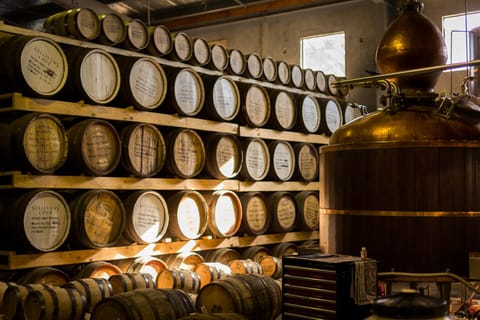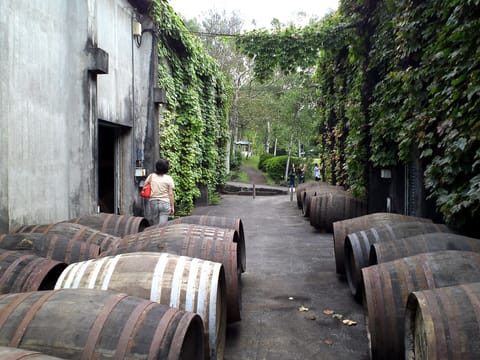

Scotch Whisky divides into six regulatory categories: Single Malt, Single Grain, Blended Malt, Blended Grain, Blended Scotch, and Scotch Whisky. Each enforces distinct production rules, cask requirements, and maturation standards. Category compliance is critical for distillers, bottlers, and cask investors.
What Actually Makes Scotch Whisky Scotch?
The Scotch Whisky Association recognises six distinct categories under its production regulations, each with specific legal requirements governing spirit type, maturation, blending, and bottling. Understanding these classifications is essential for distillery operators, cask investors, and trade professionals navigating the £4.7 billion Scotch export market. Most consumers assume Scotch divides neatly into single malts and blends, but the regulatory framework is considerably more granular—and those distinctions carry material implications for production costs, pricing strategy, and market positioning.
The six categories are: Single Malt Scotch Whisky, Single Grain Scotch Whisky, Blended Malt Scotch Whisky, Blended Grain Scotch Whisky, Blended Scotch Whisky, and Scotch Whisky. Each category enforces different raw material sourcing, distillation methods, cask requirements, and age statements. Compliance failures trigger trade friction, lost certifications, and reputational damage—making regulatory literacy a competitive asset for producers and bottlers alike.
The Six Categories Explained
Single Malt Scotch Whisky must be produced at a single distillery from malted barley, using pot stills, and aged in oak casks for a minimum of three years at an ABV not exceeding 94.8%. The category dominates premium positioning, with brands like The Macallan, Glenfiddich, and Talisker commanding retail shelf space and auction premiums. Single Malts account for roughly 10% of Scotch production volume but represent disproportionate profit margins and collector demand.
Single Grain Scotch Whisky is produced at a single distillery from malted or unmalted grain (or both), using column stills or other continuous distillation equipment. These spirits are often lighter, more neutral in flavour profile, and frequently used in blending operations. Producers including Cameron Bridge (Diageo) and Girvan (William Grant) manufacture millions of litres annually for blended Scotch assembly, yet single grain bottlings remain niche consumer products with limited direct-to-consumer visibility.
Blended Malt Scotch Whisky combines malt whiskies from two or more distilleries. Previously termed vatted malts, this category permits flexible sourcing and cost optimisation without grain spirit dilution. Examples include Compass Box expressions and independent bottler releases, which appeal to collectors seeking complexity without the single-distillery constraint.
Blended Grain Scotch Whisky marries grain whiskies from two or more distilleries. This remains the smallest category by volume and consumer awareness, though it offers producers a mechanism to balance inventory and manage grain spirit utilisation across multiple production sites.
Blended Scotch Whisky—the largest category by export volume—combines malt whisky from one or more distilleries with grain whisky from one or more distilleries. Johnnie Walker, Chivas Regal, and Grant's dominate this segment, collectively accounting for the majority of global Scotch sales. Blended Scotch production flexibility, lower raw material costs, and consistency make it the commercial engine of the industry.
Scotch Whisky (without further qualification) is a catch-all category for spirits meeting geographic and maturation standards but falling outside the five categories above. It is rarely used in modern marketing, as producers prefer specific category claims.
Regulatory Requirements That Drive Production Strategy
All Scotch must be distilled and matured in Scotland, aged in oak casks of a capacity not exceeding 700 litres for a minimum of three years, and bottled at no less than 40% ABV. These baseline rules apply uniformly across all six categories. However, raw material sourcing and distillation method diverge significantly, creating cost and flavour profiles that shape pricing and market tier positioning.
- Malted barley: Single Malts and Blended Malts require 100% malted barley; Single Grain and Blended Grain permit unmalted grain, maize, or rye, reducing input costs but altering flavour.
- Distillation: Malt categories use copper pot stills; Grain categories use column stills or Coffey stills, enabling higher throughput and neutral spirit production.
- Cask type: Regulations do not prescribe specific wood types, but ex-bourbon barrels, ex-sherry casks, and wine casks dominate. Cask sourcing and refurbishment represent 15–20% of production cost.
- Age statements: Minimum three years applies universally; age statements must reflect the youngest spirit in the bottle, creating transparency requirements for blenders managing multiple vintages.
- Bottling location: All Scotch must be bottled in Scotland, supporting domestic employment and supply chain control.
Market Implications for Distillers and Cask Investors
Category classification directly influences production economics and market access. Single Malt producers operate at higher input costs—malted barley premiums, pot still depreciation, and longer maturation cycles—but command retail margins of 300–500% on premium expressions. Blended Scotch producers achieve economies of scale through grain spirit sourcing and faster turnover, accepting lower per-unit margins in exchange for volume and market penetration in price-sensitive geographies including Asia and Eastern Europe.
Cask investors must recognise that category designation affects secondary market liquidity and auction performance. Single Malt casks, particularly from Speyside and Islay distilleries, command stronger secondary demand and attract institutional capital. Grain whisky casks, while essential to blending operations, lack direct collector appeal and depend on blender demand for value realisation. Specialist maturation choices, such as wine cask finishes, add complexity and can elevate category appeal, but they also introduce execution risk and require clear regulatory compliance.
The six Scotch categories are not interchangeable. Each carries distinct production costs, regulatory obligations, and market positioning. Conflating them in trade discussion masks material differences in profitability, inventory management, and export strategy.
Why Category Clarity Matters to the Trade
Regulatory precision protects brand integrity and prevents mislabelling that could trigger enforcement action by the Scotch Whisky Association or national authorities. Distillery operations pause or face penalties when regulatory compliance lapses, as demonstrated by production stoppages affecting major producers. Category misrepresentation—labelling a blended malt as single malt, for example—exposes bottlers to legal liability, retail delisting, and brand damage.
For independent bottlers and cask brokers, category knowledge informs valuation and sales strategy. Specialist independent bottlers leverage category flexibility to create differentiated releases, attracting collectors willing to pay premiums for rare category combinations or long-aged expressions. Understanding which categories command secondary market depth helps cask holders time sales and optimise exit strategies.
Producers planning capacity expansion or entering new export markets must align production mix with category demand in target regions. North American importers prioritise Single Malt and Blended Scotch; Middle Eastern markets show stronger appetite for premium Blended Scotch; Asian growth markets drive volume demand across all categories. Strategic distribution expansion requires category-specific market analysis and regulatory compliance in each territory.
Frequently Asked Questions
What is the difference between Single Malt and Blended Malt Scotch?
Single Malt Scotch is produced at a single distillery from malted barley using pot stills. Blended Malt Scotch combines malt whiskies from two or more distilleries. Single Malts command premium pricing and collector demand; Blended Malts offer flexibility in sourcing and flavour profiling without grain spirit dilution. Both require a minimum three-year maturation in Scotland.
Why do grain whisky categories exist if they represent such a small consumer market?
Grain whisky categories (Single Grain and Blended Grain) exist because they are essential to blended Scotch production. Grain spirits provide neutral base spirit, enable cost optimisation, and permit consistent flavour profiles across large production runs. While direct consumer sales of grain whisky bottlings remain limited, the category is commercially critical to the blending industry and export volumes.
Can a distillery produce multiple Scotch categories?
Yes. Large integrated producers including Diageo and William Grant operate multiple distilleries and can produce Single Malt, Single Grain, and contribute to Blended Malt and Blended Grain categories. However, individual distilleries are classified by their primary output. A distillery with pot stills produces malt whisky; a distillery with column stills produces grain whisky. Some producers operate both types on a single site.
How does category classification affect export tariffs and trade agreements?
Scotch Whisky holds Protected Geographical Indication (PGI) status under UK and EU law, and all six categories benefit from this protection in most major markets. However, tariff rates and trade agreement terms may vary by category. Blended Scotch, as the largest export volume, has historically been the focus of trade negotiation. Category-specific tariff impacts are assessed during bilateral trade discussions.
What happens if a distillery violates category regulations?
Violations trigger enforcement by the Scotch Whisky Association, including product delisting, brand suspension, and potential legal action. Retailers and distributors de-list non-compliant products; auction houses reject mislabelled casks. Reputational damage can persist for years. Compliance audits and third-party verification are standard practice for producers seeking market access in regulated territories including the US, EU, and Canada.
What to Watch Ahead
Regulatory evolution is limited, as Scotch Whisky rules are codified in UK law and international trade agreements. However, sustainability standards and cask sourcing transparency are emerging compliance areas. Supply chain investment in recycling and sustainable packaging is reshaping beverage industry infrastructure, and Scotch producers are adapting bottling and cask management accordingly. Cask investors should monitor cask sourcing regulations and environmental compliance costs, as these will influence future production economics across all six categories.
For trade professionals, category knowledge remains a durable competitive advantage. Distillery operators should ensure compliance documentation is current and accessible to auditors and trading partners. Cask investors should verify category classification before acquisition, as mislabelled or misclassified casks face secondary market liquidity challenges. Bottlers and importers must maintain clear category claims in labelling and marketing to avoid enforcement action and protect brand value in competitive markets.
🥃 Considering whisky casks as an investment? Speak to the Whisky Cask Club team — Singapore-based specialists working with collectors and investors across Asia.