Niagara Bottling has acquired an idle recycling facility in Vernon, California. For the whisky trade, the deal highlights how vertical integration of sustainability infrastructure is becoming a margin-protection strategy as packaging costs and recycling regulations tighten across the US, UK, and EU.
Niagara Bottling Acquires Idle Vernon Recycling Facility
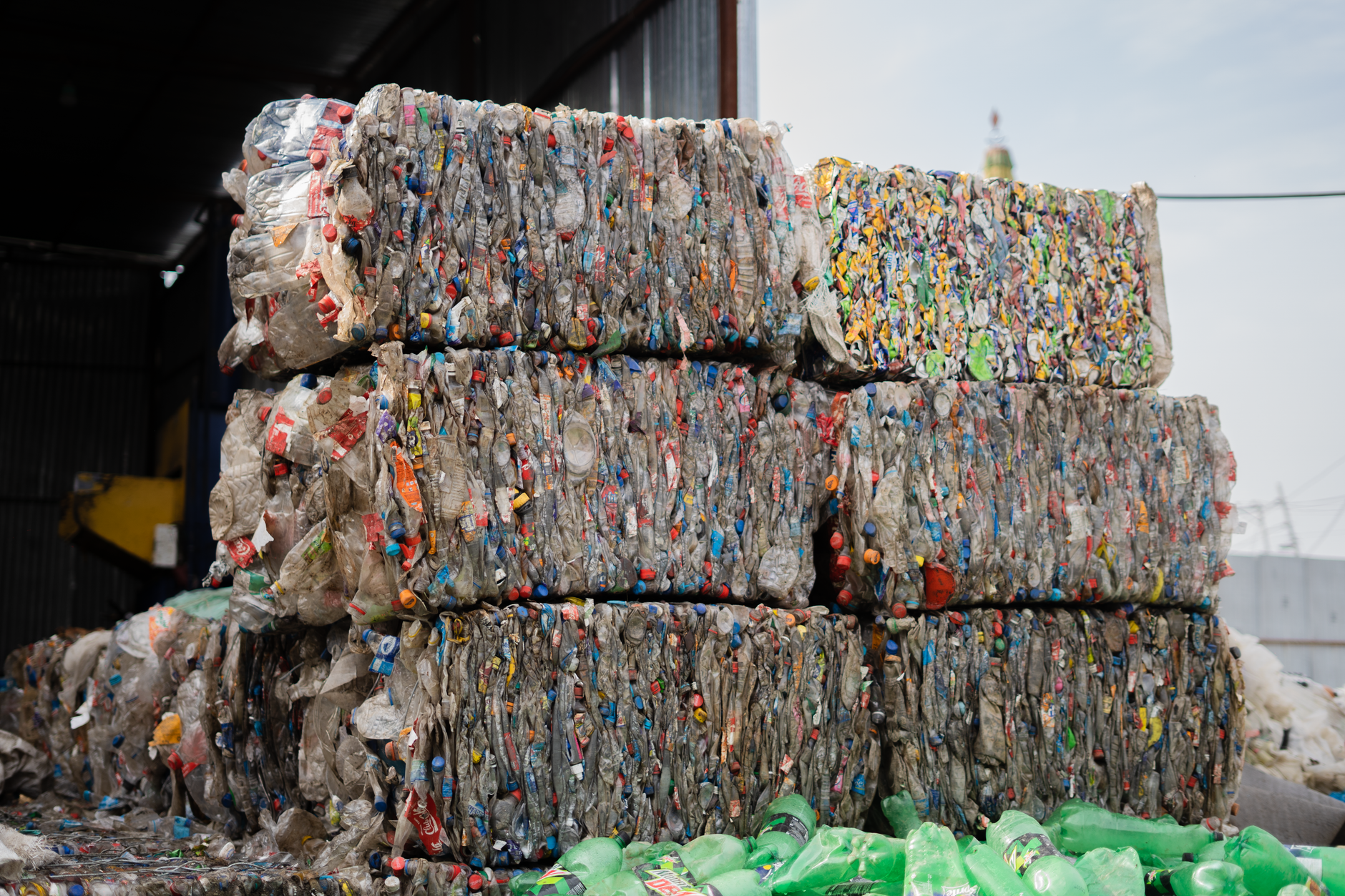
Family-owned beverage giant Niagara Bottling has acquired a dormant recycling and packaging facility in Vernon, California, in a move that underscores the accelerating push among large-scale beverage producers to bring sustainability infrastructure in-house. The Vernon plant, previously idle, gives Niagara direct control over a critical node in its packaging supply chain — a strategic play that is drawing attention well beyond the water category. For the broader US spirits and whisky trade, the acquisition is a signal that vertically integrated sustainability is becoming a competitive necessity, not a corporate responsibility footnote. As tariff pressures and raw material costs bite across the drinks sector, controlling your own recycling and packaging loop is fast becoming a balance-sheet advantage.
Niagara Bottling, headquartered in Ontario, California, is one of the largest private-label water producers in the United States, supplying major retailers with bottled water under dozens of store-brand labels. The company has long operated at the intersection of high-volume production and cost efficiency, and this acquisition extends that logic into the sustainability space. The Vernon facility is expected to process post-consumer recycled (PCR) resin, which is increasingly mandated by state legislation and demanded by retail buyers. California's SB 54 legislation, which requires 25% recycled content in plastic packaging by 2025 and 65% by 2032, makes owning recycling capacity a regulatory hedge as much as a commercial one. The whisky and spirits trade faces analogous pressures as glass recycling targets tighten across the UK and EU.
Why the Spirits Trade Should Be Watching This Deal
At first glance, a water bottling company buying a recycling plant in Southern California looks like inside baseball for the FMCG sector. But the whisky trade has every reason to pay close attention. Packaging costs — glass, cork, labels, secondary packaging — represent a meaningful slice of a distillery's cost of goods, and the supply chain vulnerabilities exposed during 2021–2023 have not fully resolved. Producers from Speyside to Kentucky are still absorbing elevated input costs, and any model that demonstrates how vertical integration can stabilise those costs deserves scrutiny. Niagara's move is a live case study in supply chain self-sufficiency that ambitious spirits producers could adapt.
The spirits industry is also navigating its own recycling moment. The UK's Extended Producer Responsibility (EPR) scheme, now live, places financial obligations on drinks brands for the packaging they put into the market. Scotland's Deposit Return Scheme, after years of delays, remains a live policy instrument. In the US, several states are tightening bottle bill legislation. Distilleries that rely entirely on third-party recycling and packaging infrastructure are exposed to cost pass-throughs they cannot control. The question of who owns the recycling loop is becoming commercially material. Those tracking DISCUS's ongoing campaign for tariff exemptions to protect US spirits jobs will recognise that input cost management is now a frontline trade issue, not a back-office one.
The acquisition also arrives at a moment when the broader spirits sector is stress-testing its supply chain assumptions. As covered in our analysis of the cash-flow crisis in spirits supply chains, extended maturation cycles mean whisky producers carry inventory costs for years before a single bottle generates revenue. Any structural increase in packaging costs hits margins that are already stretched thin by warehousing, duty, and distribution. Owning recycling capacity is one lever — but it illustrates a wider truth: the producers who will weather the next cost cycle are those who have reduced their dependency on external suppliers.
Trade Context: What Niagara's Model Tells Us About Scale and Strategy
Niagara Bottling processed an estimated 5 billion bottles annually across its US network before this acquisition — a scale that makes internalising recycling economics rational in a way it simply is not for a craft distillery producing 50,000 cases a year. But the strategic logic scales down. Several larger spirits groups are already moving in this direction. Brown-Forman, which operates its own cooperage for bourbon barrel production, has long understood that controlling key inputs insulates you from supplier leverage. Beam Suntory's investment in barrel char facilities follows the same playbook. The difference now is that sustainability infrastructure — recycling, PCR resin processing, closed-loop glass — is joining cooperage and grain sourcing as a genuine strategic asset.
Owning your recycling infrastructure is the 2025 equivalent of owning your cooperage: it removes a supplier from the equation and converts a variable cost into a capital asset.
Here is how the Niagara acquisition maps onto analogous moves in the spirits sector:
- Vertical integration of key inputs: Brown-Forman's ownership of its own cooperage reduces exposure to barrel price spikes — the same logic Niagara applies to PCR resin.
- Regulatory hedging: California's PCR mandates make recycling capacity a compliance asset; EPR and DRS create equivalent pressures for Scotch and Irish producers.
- Idle asset activation: Niagara bought a dormant plant, reducing capital outlay while gaining immediate operational capacity — a model that distilleries acquiring mothballed sites know well.
- Supply chain resilience: Post-pandemic input shortages hit glass, cork, and capsule supply hard; internalising any part of that chain reduces single-point-of-failure risk.
- Long-term cost structure improvement: At sufficient volume, owned infrastructure converts unpredictable supplier pricing into a depreciating capital cost with a knowable floor.
The spirits sector's relationship with M&A and strategic infrastructure investment is also shifting. The Crealis CEO's restructuring for spirits growth and moves by independent bottlers to secure long-term cask supply both reflect an industry that is thinking harder about structural resilience than it was five years ago. The Niagara deal is a reminder that strategic acquisitions do not have to be headline distillery purchases to reshape competitive dynamics. Sometimes the most consequential moves happen in the supply chain, not on the shop floor.
What to Watch: Implications for the Whisky Trade Ahead
The immediate read for whisky producers and cask investors is not that they should rush to buy recycling plants. It is that the cost and compliance environment is moving in a direction that rewards producers who have thought carefully about their input dependencies. Those watching whether the spirits industry has a short-term demand problem should factor in that margin compression from input costs is as significant a threat as softening consumer demand. The two pressures are compounding, not sequential. Producers and bottlers who have locked in supply chain advantages — whether through owned infrastructure, long-term supplier contracts, or vertical integration — will be better positioned to defend margins through the next cycle.
For the Scotch sector specifically, the glass debate is live. The push toward lighter-weight bottles, alternative closures, and recycled-content glass is accelerating, driven by both EPR obligations and retailer sustainability scorecards. Distilleries that have been slow to engage with their packaging supply chains may find themselves facing cost pass-throughs from glass manufacturers who are themselves investing in recycling infrastructure and need to recover that capital. Market insights from the ProSpirits Report 2026 highlight premiumisation pressure as a key theme — but premiumisation is harder to sustain when your cost base is rising faster than your average selling price. The Niagara move is a useful prompt for any CFO or operations director in the drinks trade to audit their own packaging supply chain exposure before the next regulatory tightening arrives.
Separately, the Vernon acquisition is worth watching as a template for idle asset utilisation. The facility was dormant before Niagara moved. In the spirits world, mothballed distilleries, closed bottling halls, and underused bonded warehouses represent analogous opportunities — assets that carry embedded infrastructure value but require a buyer with the operational scale to activate them. The auction of a historic Polish distillery and speculation around Scotland's first true single-estate distillery both reflect an appetite for exactly this kind of asset. The lesson from Vernon is that idle infrastructure, properly capitalised and operationally integrated, can become a structural advantage rather than a stranded cost.
Frequently Asked Questions
Why did Niagara Bottling acquire a recycling plant rather than outsourcing recycling?
Owning recycling infrastructure gives Niagara direct control over post-consumer recycled resin supply, which is increasingly mandated by California legislation. Outsourcing creates dependency on third-party pricing and availability. At Niagara's production scale — estimated at billions of bottles annually — internalising that cost is financially rational and provides a hedge against tightening regulatory requirements.
What does Niagara Bottling's acquisition mean for whisky and spirits producers?
It is a signal that supply chain self-sufficiency is becoming a competitive differentiator across the beverages sector. Spirits producers face analogous pressures from Extended Producer Responsibility schemes, Deposit Return Schemes, and rising glass and packaging costs. The deal illustrates how vertical integration of sustainability infrastructure can convert a variable compliance cost into a manageable capital asset.
How does California's SB 54 legislation affect beverage producers?
California's SB 54 requires 25% recycled content in plastic packaging by 2025, rising to 65% by 2032. For high-volume producers like Niagara, owning recycling capacity is both a compliance mechanism and a cost control tool. Spirits producers in the UK and EU face equivalent pressure from EPR obligations and glass recycling targets.
Which spirits companies have already pursued vertical integration of key inputs?
Brown-Forman is the most cited example, having operated its own cooperage for bourbon barrel production for decades. Beam Suntory has invested in barrel char infrastructure. Several large Scotch producers have moved toward owned grain sourcing. The Niagara model suggests that recycling and packaging infrastructure could be the next frontier for vertically integrated spirits groups.
What should cask investors take from this deal?
Cask investors should note that margin resilience at the producer level depends partly on input cost management. Producers with owned or locked-in supply chain infrastructure are better positioned to protect margins through cost cycles, which supports the long-term value of their cask inventory. Monitoring how major spirits groups respond to packaging cost pressures is a useful indicator of operational health.