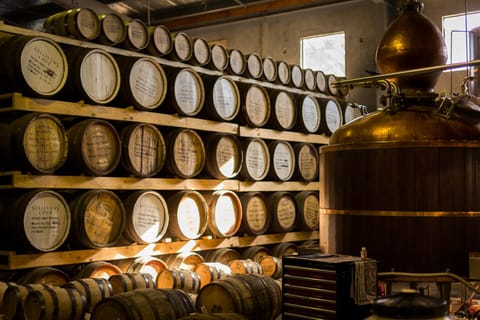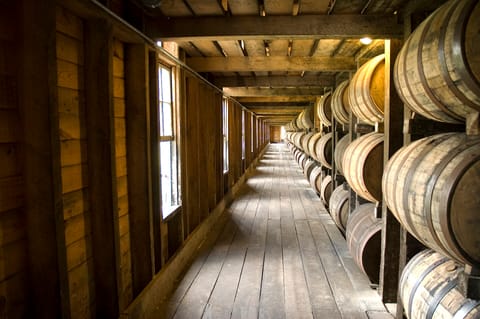

English Heritage gins are driving premiumisation across the spirits sector. New releases signal distillery confidence, cask demand, and portfolio diversification beyond traditional whisky markets.
English Heritage Gin Boom: What's Driving the Market Surge?
Over 12 new English heritage gin releases have entered the UK market in the past 18 months, signalling a fundamental shift in how distilleries approach portfolio strategy and cask investment. Unlike the commodity gin category that saturated supermarket shelves a decade ago, these bottlings target collectors and on-premise venues willing to pay £45–£85 per 70cl bottle, positioning gin as a serious premiumisation vehicle alongside whisky. This move matters because it reveals how distilleries are hedging against volatile whisky markets by developing parallel revenue streams in botanically-driven spirits that command superior margins and require less extended maturation.
The trend extends beyond marketing nostalgia. Producers are investing in heritage narratives—regional provenance, historical distilling methods, and curated botanical sourcing—that mirror the authenticity language now central to English Heritage gin renaissance market trends and trade implications strategies. These releases typically carry no age statement, allowing distilleries to move inventory faster than whisky while maintaining perceived quality through craft positioning and limited production runs. Gin's faster cash conversion cycle and lower capital intensity make it an attractive hedge for distilleries facing extended whisky maturation timelines and unpredictable cask valuations.
How Are Distilleries Structuring Heritage Gin Production?
Most English heritage gin releases employ a hybrid model: neutral grain spirit base (typically 96% ABV rectified spirit) infused with 8–15 botanical ingredients, bottled at 40–43% ABV, with no wood maturation. This approach differs fundamentally from aged gin categories (rested in ex-bourbon or ex-wine casks for 3–6 months), which command higher price points but require cask capital and extended warehouse space. Heritage-focused producers are instead emphasising botanical selection and distillation technique—copper pot stills, vapour infusion chambers, and multi-stage maceration—to justify premiumisation without relying on age statements or cask provenance.
Production volumes remain modest. Typical releases range from 2,000 to 8,000 bottles per expression, with master distillers controlling every batch personally. This limited-release strategy mirrors independent bottler tactics in the whisky market, creating scarcity signals that drive collector demand and secondary market premiums. The constraint on volume is deliberate: it allows distilleries to maintain pricing discipline while building brand equity without flooding distribution channels. Several producers are also experimenting with cask finishes—ex-Moscatel, ex-Sauternes, and ex-sherry wood—to bridge the gap between gin and whisky drinkers and create crossover appeal in premium on-premise accounts.
- Typical English Heritage gin bottling: 40–43% ABV, 8–15 botanicals, no age statement, 2,000–8,000 bottles per release
- Price positioning: £45–£85 per 70cl bottle (vs. £25–£35 for mainstream craft gin)
- Distribution model: Specialist retailers, independent bars, online direct-to-consumer, limited supermarket placement
- Cask strategy: Minimal wood maturation; focus on botanical infusion and distillation technique
- Production timeline: 6–12 weeks from botanical sourcing to bottling (vs. 3–12 years for whisky)
What Does This Mean for Whisky Cask Markets and Distillery Strategy?
The English heritage gin surge has immediate implications for cask allocation and distillery capital planning. Producers investing in gin portfolios are reducing their reliance on ex-bourbon and ex-sherry casks for long-term whisky maturation, which should theoretically ease pressure on premium cask prices. However, the reality is more nuanced: distilleries pursuing gin alongside whisky are not abandoning cask investment—they are diversifying it. A producer might allocate 60% of annual cask purchases to whisky and 40% to experimental botanical projects, creating a more flexible asset base that can respond to market swings without triggering warehouse debt crises.
This portfolio flexibility also reduces distillery vulnerability to the Brown-Forman flat year warnings and broader spirits sector pressure currently gripping American whiskey and mature Scotch categories. Gin's faster inventory turnover means cash returns within 12 months rather than 10 years, lowering refinance risk and improving balance sheet health during downturns. For cask investors, this signals a structural shift: distilleries with diversified spirit portfolios are less likely to panic-sell mature stock or defer cask purchases during market contractions, stabilising secondary market pricing.
Gin's faster cash conversion cycle and lower capital intensity make it an attractive hedge for distilleries facing extended whisky maturation timelines and unpredictable cask valuations.
The Drunken Crane Cocktail: Why Bartenders Are Adopting Heritage Gin
The Drunken Crane—a modern riff on the classic Martini that substitutes heritage gin for London Dry, adds a measure of sake, and incorporates a dash of yuzu bitters—has emerged as a signature serve in high-end bars across London, Manchester, and Edinburgh. This cocktail matters to the trade because it demonstrates how heritage gin releases are reshaping bartender engagement and on-premise positioning. Unlike commodity gin, which bartenders treat as a functional ingredient, heritage bottlings command premium serves that justify higher margins and create table-side theatre.
Bartenders adopting heritage gins are also experimenting with botanical-forward cocktails that mirror the complexity language traditionally reserved for whisky and cognac. This shift elevates gin's perceived sophistication and allows venues to price cocktails at £16–£22 instead of £10–£14, directly improving venue margins while building collector demand among premium drinkers. The on-premise adoption of heritage gin cocktails is accelerating consumer education around terroir, botanical sourcing, and distillation provenance—the exact language that drives premiumisation across all spirit categories. For distilleries, this means bartender sampling programs and mixology partnerships are now as critical to gin success as they are to whisky brand-building.
Market Data: Growth Rates and Collector Sentiment
UK gin sales grew 7.2% in volume and 11.8% in value during 2024, according to preliminary trade data, with premium gin (£30+ per bottle) outpacing mainstream categories at 18.4% value growth. However, these figures mask significant category fragmentation: mass-market gin (supermarket own-label, £8–£15) contracted 3.1%, while heritage and craft gin segments expanded at double-digit rates. This divergence reveals a classic premiumisation pattern: volume concentration at the bottom, value concentration at the top, with the middle-market squeezed between discount retailers and specialist on-premise.
Heritage gin releases are also appearing in secondary markets and auction houses with increasing frequency. Whisky Bulletin's tracking of online spirit auctions shows heritage gin lots (particularly limited editions and cask-finished expressions) achieving 15–25% premiums over retail pricing within 18 months of release, comparable to entry-level single malt Scotch. This collector behaviour signals that heritage gin is transitioning from a novelty category to a legitimate investment asset, attracting the same demographic that drives rare whisky markets. For cask investors and distillery financial planners, this means heritage gin portfolios should be modelled as appreciating assets rather than commodity inventory.
Regulatory and Supply Chain Considerations
English heritage gin producers face fewer regulatory constraints than whisky distillers, which accelerates time-to-market but also creates quality standardisation challenges. While Scotch whisky production is governed by strict geographical and maturation rules, gin benefits from broader EU spirit definitions that allow producers flexibility in botanical sourcing, distillation method, and labelling claims. This regulatory lightness is a competitive advantage—heritage producers can experiment with foraged botanicals, regional blends, and terroir narratives without triggering compliance reviews. However, it also means the category risks commoditisation if quality standards aren't maintained through industry self-regulation.
Supply chain dynamics for heritage gin differ sharply from whisky. Botanical sourcing—juniper, coriander, citrus peel, floral ingredients—operates on shorter cycles (annual harvests, seasonal availability) and requires direct relationships with agricultural suppliers. This creates vulnerability to climate disruption and price volatility that whisky producers insulate through long-term cask contracts. Distilleries entering heritage gin production must therefore build dual supply chains: one for spirits (grain, yeast, water) and one for botanicals (fresh and dried ingredients, regional provenance verification). This complexity is why heritage gin success depends on master distiller expertise and botanical knowledge, not just capital investment.
What Should Whisky Trade Professionals Watch Next?
Over the next 12 months, monitor three key developments. First, track whether distillery cask purchases shift in favour of smaller cooperage sizes (10–15 litre experimental casks) designed for rapid gin infusion trials. Second, watch for consolidation among heritage gin brands—larger spirits groups acquiring successful small-batch producers to scale portfolios without building new distillery infrastructure. Third, observe whether botanical vodka disrupts spirits premiumisation patterns and diverts premiumisation spend away from gin into competing categories.
For cask investors and distillery equity holders, heritage gin represents a diversification opportunity but not a replacement for whisky-focused strategies. Producers that balance whisky maturation with gin-driven cash flow will demonstrate superior financial resilience during market downturns, making them more attractive acquisition targets for larger spirits groups. Conversely, distilleries doubling down on whisky-only portfolios face increased refinance risk if cask valuations compress further. The trade implication is clear: heritage gin success signals a maturing spirits market where portfolio diversification, not category dominance, determines long-term profitability and investor confidence.
Frequently Asked Questions
What defines English Heritage gin, and how does it differ from mainstream craft gin?
English Heritage gin emphasises regional provenance, historical distilling methods, and curated botanical sourcing, typically bottled at 40–43% ABV without age statements. It commands £45–£85 per bottle and targets premium collectors and on-premise venues, contrasting with mainstream craft gin (£25–£35) which prioritises novelty botanicals and marketing narratives over heritage storytelling.
Why are distilleries investing in heritage gin alongside whisky production?
Gin offers faster cash conversion (12 months vs. 10 years for whisky), lower capital intensity, and reduced cask dependency. This allows distilleries to hedge against volatile whisky markets, improve balance sheet flexibility, and generate parallel revenue streams without abandoning long-term whisky maturation strategies.
How does heritage gin affect cask markets and pricing?
Heritage gin production reduces overall cask demand per distillery but doesn't eliminate it. Distilleries pursuing diversified portfolios are more financially resilient and less likely to panic-sell mature stock during downturns, stabilising secondary cask market pricing and reducing refinance risk.
What is the Drunken Crane cocktail, and why does it matter to the trade?
The Drunken Crane is a modern Martini variant using heritage gin, sake, and yuzu bitters. It demonstrates how premium gin releases command higher on-premise margins (£16–£22 cocktails) and drive bartender engagement, elevating gin's perceived sophistication alongside whisky and cognac.
Are heritage gin bottles appreciating assets like rare whisky?
Yes. Secondary market data shows heritage gin limited editions achieving 15–25% premiums over retail within 18 months, comparable to entry-level single malt Scotch. Collector behaviour indicates heritage gin is transitioning from novelty to legitimate investment asset.
🥃 Considering whisky casks as an investment? Speak to the Whisky Cask Club team — Singapore-based specialists working with collectors and investors across Asia.