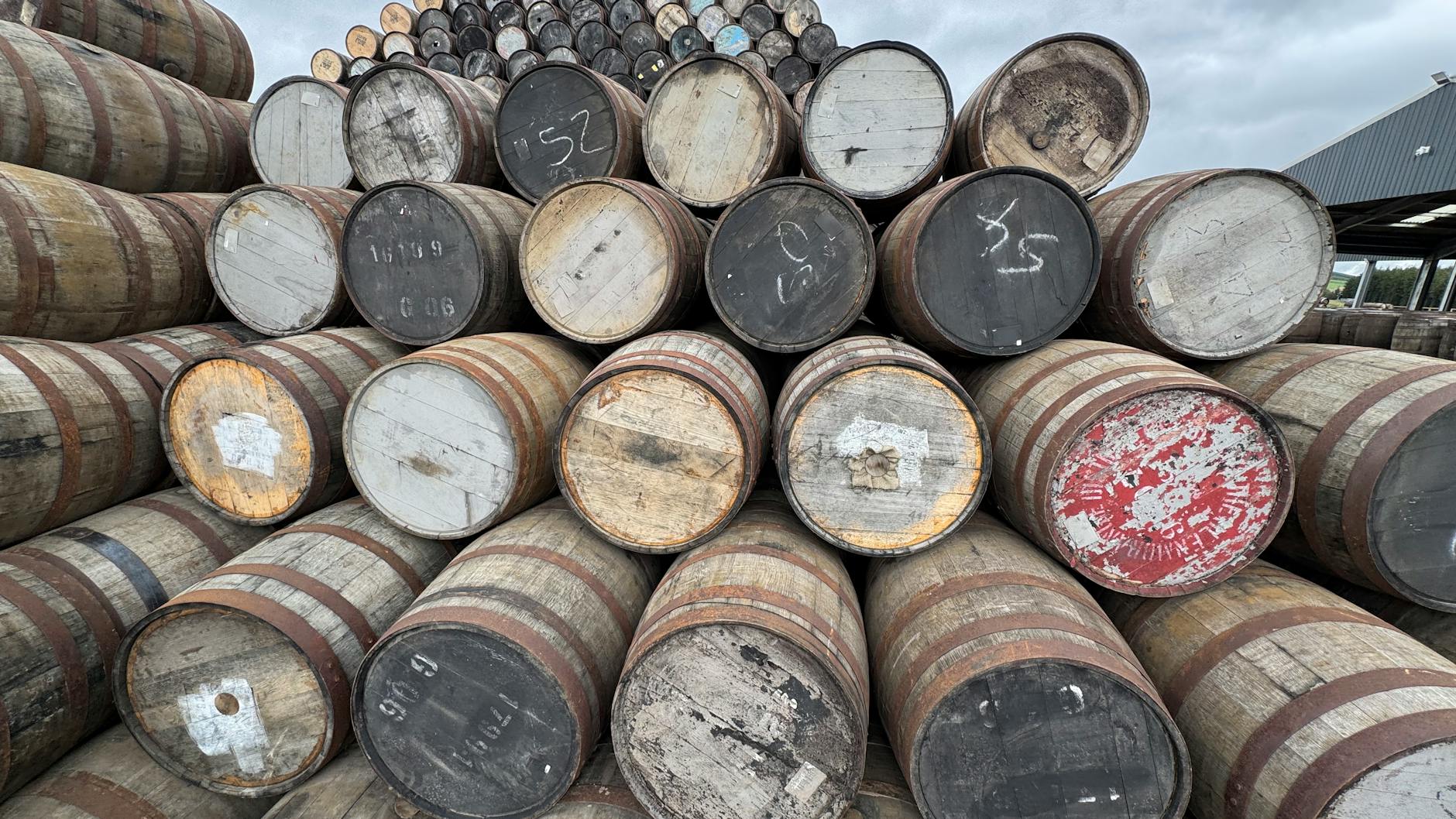
Christie's is auctioning a 50-year Silicon Valley cellar, offering the whisky trade a live lesson in how single-owner provenance, long-hold narratives, and documentation drive premium auction results — directly applicable to aged whisky cask portfolios.
Christie's Brings a 50-Year Silicon Valley Cellar to Auction
Christie's is preparing to auction significant single-owner collections to come to market in 2026 — a cellar assembled over five decades by a Silicon Valley pioneer who built it, as the auction house describes, for the simple pleasure of sharing great bottles with friends and family. The collection spans rare and mature California wines alongside other fine and aged bottles, with Christie's billing it as containing genuine "unicorns" of extraordinary provenance. For the whisky trade, the headline is not the wine. It is what a sale of this scale and pedigree tells collectors, cask investors, and auction houses about the current appetite for aged, single-owner collections across all premium categories.
The timing matters. Single-owner provenance is now powerful price drivers at auction, regardless of category, and whisky buyers have been watching how fine wine has monetised that narrative for years. Christie's track record with high-value cellar sales gives this particular event added weight — when a major house stakes its reputation on a collection, the market pays attention. For anyone tracking rare whisky auction dynamics, the structural lessons here are directly transferable.
If you hold aged whisky casks or bottles assembled over multiple decades, this sale is a live case study in how provenance, depth of collection, and a coherent single-owner narrative can command premiums that scattered lots simply cannot match. The whisky trade has been building toward this model for several years, and Christie's California sale puts a sharp point on why it works.
What Single-Owner Provenance Actually Does to Hammer Prices
The concept of single-owner provenance is straightforward in theory but powerful in practice. When every bottle in a collection can be traced to one cellar, one buyer, one storage environment, and one set of purchasing decisions spanning half a century, the authentication risk drops sharply. Bidders are not just paying for the liquid — they are paying for certainty. In whisky, that certainty commands a measurable premium, as anyone who has tracked auction results across the major houses will confirm.
The California cellar model — patient accumulation, deep vertical holdings, and a personal rather than speculative motivation — is precisely the narrative that resonates with serious collectors. Christie's has leaned into the human story here: a working professional buying for pleasure, not profit, over 50 years. That framing does not reduce the commercial value; it amplifies it. Whisky auction houses have been deploying identical storytelling with increasing sophistication, particularly around distillery-direct releases and long-held private cellars from Scotland and Japan.
Single-owner collections assembled over 50 years now routinely outperform comparable mixed-provenance lots at Christie's — a dynamic the whisky trade is actively replicating with aged cask portfolios and long-held private cellars.
The crossover lesson for whisky is concrete. A 30-year-old single malt from a closed distillery, held in the same bonded warehouse since distillation, documented throughout its life, and offered as part of a coherent collection, will attract a different class of bidder than the same whisky appearing in a mixed-lot auction with patchy storage records. Provenance documentation is not administrative overhead — it is a price lever.
How the Whisky Auction Market Compares Right Now
The wider auction environment for whisky in 2026 is more nuanced than the headline numbers suggest. US spirits depremiumisation has compressed mid-market volumes, but the top end of the auction market has remained resilient. Rare, aged, and single-owner whisky lots continue to attract strong competition, even as value-tier sales soften. The Christie's California sale lands in that context — a reminder that scarcity and provenance insulate the premium tier from the broader volume pressures affecting the trade.
Several dynamics are worth tracking in parallel. The American whiskey market has faced headwinds from tariff uncertainty and shifting consumer preferences, but aged American whiskey at auction — particularly well-documented private cellar lots — has not followed the same downward curve as retail volumes. Similarly, Macallan and other Speyside flagships continue to anchor the top of whisky auction results globally, with sherry-cask aged expressions from long-held collections attracting particular interest.
The following factors consistently separate strong-performing whisky auction lots from underperformers, and the Christie's California sale illustrates each of them:
- Single-owner provenance with documented storage history — reduces authentication risk and signals consistent cellaring conditions.
- Age and rarity — expressions beyond 25 years, particularly from closed or limited-production distilleries, command structural scarcity premiums.
- Coherent collection narrative — lots that tell a story outperform random assemblages, as Christie's has demonstrated repeatedly with cellar sales.
- Auction house credibility — Christie's, Bonhams, and Sotheby's carry reputational weight that independent platforms cannot fully replicate for top-tier lots.
- Category crossover interest — collectors active in fine wine increasingly cross into aged whisky, and vice versa, meaning a high-profile wine cellar sale raises the temperature across categories.
Whisky cask investors should read the Christie's sale not as a wine story but as a market signal about where serious collector capital is currently focused. When a 50-year cellar assembled for personal pleasure generates auction-house attention at this level, it validates the long-hold, provenance-first approach that the most sophisticated whisky investors have been pursuing for the past decade.
Cask Wood, Age Statements, and the Parallel Whisky Conversation
While the Christie's sale centres on California wine, the whisky trade's own conversation about aged cask maturation, wood influence, and provenance is running in close parallel. The interest in how cask type shapes aged spirit — whether that is a French Maury cask handling Islay peat at Kilchoman, or a 10-year sherry butt from Kingsbarns, or the sherry-cask signatures that define Cotswolds single malt — reflects a market that has become genuinely sophisticated about maturation. Age statements, cask type, and ABV at bottling are now the first questions serious buyers ask, not afterthoughts.
The California cellar sale reinforces that maturity — in the literal sense — remains the most defensible value proposition in aged spirits. A whisky laid down in a first-fill sherry butt at 63.5% ABV and held for 30 years in a temperature-controlled warehouse is not just older; it is categorically different from a younger expression, and the auction market prices that difference accordingly. The Christie's sale, whatever its primary category, is a live demonstration of what patience and documentation can do to the value of an aged collection. Whisky trade participants who have been building long-hold cask portfolios should take note.
The Last Drop Distillers model — sourcing genuinely rare, long-aged spirits and presenting them with rigorous provenance documentation — has shown what the top of the whisky market will pay for exactly this combination. And the Dalmore approach to aged, sherry-finished Highland Scotch demonstrates how distillery-level storytelling around long maturation translates into sustained auction demand.
What to Watch: Key Dates and Trade Implications Ahead
The Christie's California cellar auction is expected to proceed in the coming weeks, and the hammer prices — particularly for the rarest single-owner lots — will be closely watched by whisky auction specialists looking for cross-category signals. Bourbon collectors and Scotch cask investors alike will be monitoring whether the premium-tier provenance narrative holds in the current macro environment, or whether even top-end lots show signs of buyer hesitation.
For the whisky trade specifically, the actionable read is this: if you are considering bringing a long-held whisky collection or aged cask portfolio to market, the Christie's California sale is the strongest recent argument for doing so through a major auction house with a full provenance narrative rather than through secondary market channels. The documentation you have assembled, the storage records you have maintained, and the coherence of your collection as a whole are not just administrative assets — they are the difference between a good result and an exceptional one. Review your provenance records now, before the next major auction cycle opens.
Frequently Asked Questions
What does single-owner provenance mean in a whisky auction context?
Single-owner provenance means every bottle or cask in a collection can be traced to one buyer, one storage environment, and one documented purchase history. It reduces authentication risk for bidders and typically commands a measurable price premium over mixed-provenance lots at major auction houses.
How does the Christie's California cellar sale relate to the whisky market?
While the sale centres on California wine, the structural lessons — provenance documentation, long-hold narrative, single-owner coherence, and major auction house credibility — apply directly to aged whisky collections and cask portfolios. Cross-category collector capital also means strong fine wine results can lift sentiment in adjacent premium spirits categories.
What age statements and cask types attract the strongest whisky auction premiums?
Expressions aged 25 years and above, particularly in first-fill sherry butts or other premium wood types, from closed or limited-production distilleries, consistently attract the strongest premiums. ABV at bottling, cask reference numbers, and distillery-verified documentation all contribute to final hammer prices.
Is the top end of the whisky auction market holding up in 2026?
Yes. While mid-market and value-tier whisky volumes have softened alongside broader US spirits depremiumisation trends, rare and well-documented aged lots at major auction houses have remained resilient. Single-owner collections with strong provenance continue to attract competitive bidding at the top of the market.
Should whisky cask investors be monitoring fine wine auction results?
Yes, for two reasons. First, cross-category collector capital means sentiment in fine wine and aged whisky is increasingly correlated at the premium tier. Second, fine wine auction houses have developed the provenance documentation and single-owner narrative frameworks that whisky is now actively adopting — watching how those frameworks perform at Christie's provides a forward-looking signal for the whisky cask market.
🥃 Considering whisky casks as an investment? Speak to the Whisky Cask Club team — Singapore-based specialists working with collectors and investors across Asia.