One of Poland's oldest distilleries — the historic home of aged rye spirit Starka — has been placed at auction, attracting interest from whisky trade buyers who see strategic value in its heritage, cask inventory, and the growing global appetite for aged rye spirits.
Historic Polish Distillery Auction Opens Rare Acquisition Window
A rare acquisition opportunity has emerged in the European spirits market, with one of Poland's oldest distilleries — the historic home of Starka, the aged rye spirit that predates most Scotch whisky traditions by centuries — being placed under the auctioneer's hammer. The sale represents one of the most significant distillery transactions to come to market in Central Europe in recent memory, and it is already drawing attention from buyers well beyond Poland's borders, including investors with backgrounds in Scotch and Irish whiskey production who see untapped potential in aged grain spirits with deep historical roots.
Starka is not a product that needs much introduction to serious spirits scholars. Produced from rye and aged in oak casks — sometimes for decades — it occupies a category that sits closer to whisky in character and production philosophy than it does to the clear, unaged vodkas that dominate international perceptions of Polish spirits. The distillery at the centre of this auction has been producing Starka for generations, and the site carries with it not only operational infrastructure but a provenance and heritage that simply cannot be replicated by a greenfield build.
What Makes This Distillery Strategically Significant?
For any buyer looking at this acquisition through a whisky-trade lens, the strategic value is considerable. The distillery comes with established production capacity for rye-based aged spirits, existing cask inventory, and a brand identity that carries genuine historical weight in the Polish domestic market and among diaspora communities globally. Rye as a base grain has seen surging interest across the whisky world — American rye whiskey has posted consistent growth for several consecutive years, and there is growing collector appetite for aged rye expressions from non-traditional markets. A Polish distillery with documented aged-rye credentials is, in that context, an asset with real upside.
The site also raises an interesting question for the broader world whisky category. Producers and investors who have watched Japanese, Taiwanese, and Indian distilleries command premium valuations over the past decade will be alert to the possibility that Central and Eastern European whisky-adjacent spirits could follow a similar trajectory. Poland has a sophisticated domestic spirits culture, relatively low production costs compared to Western Europe, and an agricultural base well-suited to rye cultivation at scale. A buyer with the right distribution infrastructure and the patience to build an export narrative around aged rye could find this acquisition transformative.
Cask Inventory and Production Infrastructure
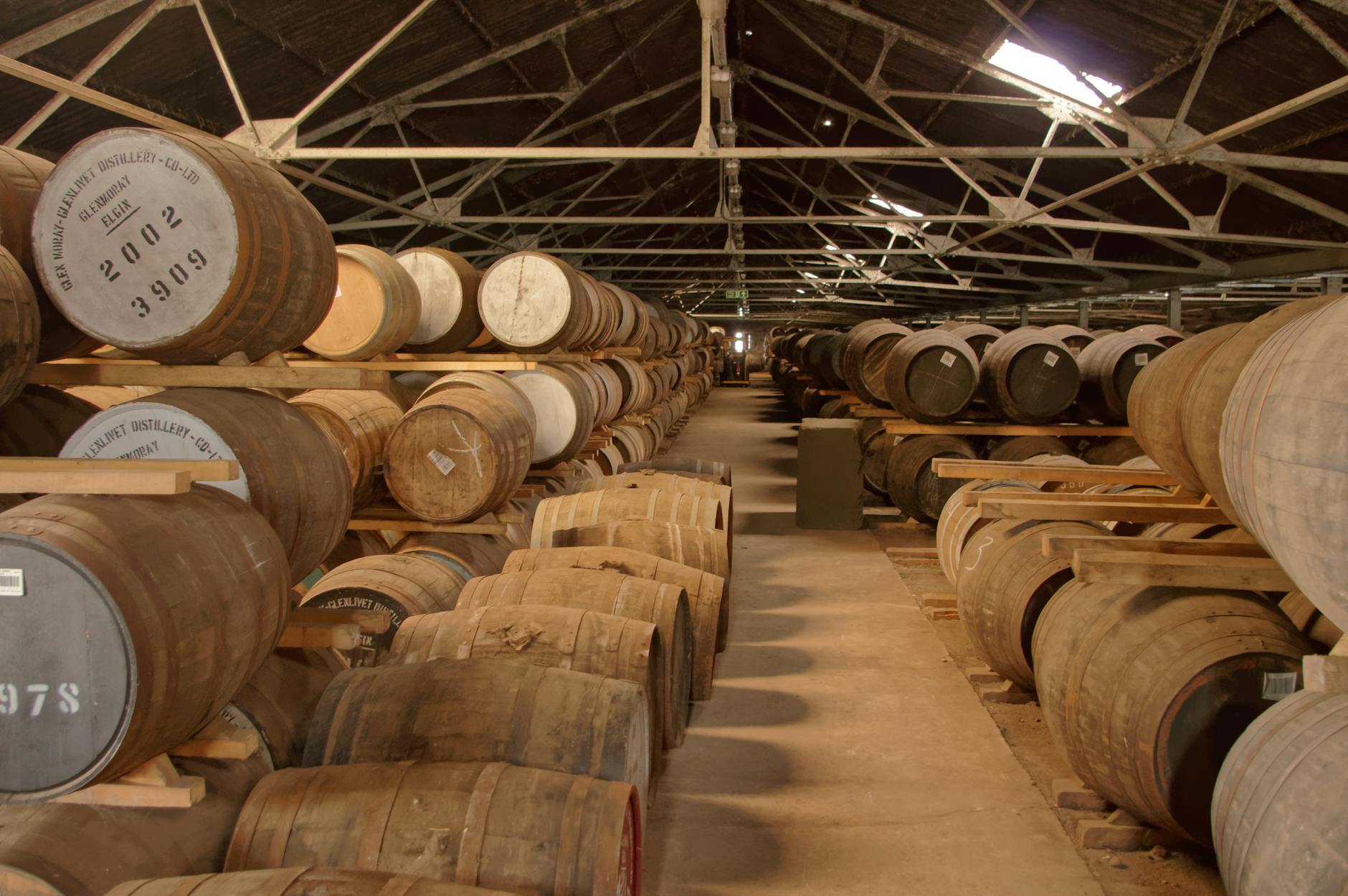
One of the most commercially critical details for any prospective buyer will be the status of the existing cask inventory. In distillery acquisitions of this nature — particularly where the primary product is an aged spirit — the maturing stock frequently represents the largest single component of asset value, often exceeding the worth of the physical site itself. Buyers will need to conduct rigorous due diligence on the age profile, volume, and condition of any barrels currently warehoused on site. Starka is traditionally aged in oak barrels that previously held wine or apple juice, which gives the spirit a flavour complexity that distinguishes it sharply from grain-neutral vodka and aligns it more closely with the oxidative maturation profiles familiar to whisky drinkers.
The distillery's production infrastructure — stills, fermentation capacity, warehousing — will also require assessment against current regulatory standards and the investment required to bring any ageing facilities up to the specifications demanded by export markets. Buyers eyeing premium international positioning will need to factor in capital expenditure alongside the purchase price, and the auction format means competitive bidding could push valuations in ways that compress initial return timelines.
Why the Whisky Trade Should Be Watching
Distillery auctions of this profile are rare events, and the whisky trade has learned — sometimes painfully — that heritage assets do not come back to market once absorbed by large conglomerates or development interests with no spirits focus. The sale of the Starka distillery is an opportunity for an operator with genuine production expertise and a long-term view on aged rye spirits to secure a foothold in a category that remains significantly undervalued relative to its whisky-adjacent peers. Whether the winning bidder comes from the Scotch industry, the American rye sector, or a Polish domestic operator looking to consolidate, the outcome will shape the trajectory of premium Polish aged spirits for years to come. For cask investors and collectors, the auction is also a signal worth tracking: if institutional or trade capital flows into aged rye production at scale, secondary market interest in existing Starka stocks and comparable expressions is likely to follow.
Frequently Asked Questions
What is Starka and how does it relate to whisky?
Starka is a Polish aged rye spirit produced by fermenting rye grain, distilling it, and maturing it in oak casks for extended periods — sometimes 10, 25, or even 50 years. Its production process and flavour profile share significant common ground with rye whiskey, making it of genuine interest to whisky drinkers and investors familiar with aged grain spirits.
Who is likely to bid on the Polish distillery auction?
Potential bidders could include Polish domestic spirits producers looking to consolidate heritage assets, European investment groups with spirits portfolios, and international operators from the Scotch, Irish, or American whiskey sectors who see strategic value in aged rye production capacity and existing cask inventory.
How important is the existing cask stock to the distillery's value?
Extremely important. In any aged-spirits distillery acquisition, the maturing inventory typically represents the most significant component of total asset value. Buyers will need to assess the age profile, volume, and condition of barrels on site as a central part of their due diligence process before committing to a bid.
Could this auction signal broader investment interest in Central European spirits?
It could. The world whisky category has expanded dramatically over the past two decades, with premiums commanded by Japanese, Taiwanese, and Indian producers. Central and Eastern Europe — with its rye agriculture, established distilling culture, and lower production costs — is a plausible next frontier for premium aged-spirit investment, and this auction may act as a catalyst for wider market attention.
What risks should buyers consider before bidding?
Key risks include the capital expenditure required to upgrade production and warehousing infrastructure to export-market standards, the competitive auction dynamic that could inflate the purchase price, regulatory compliance costs in both Polish and EU frameworks, and the time horizon required to build meaningful international brand equity around a spirit category that remains relatively unfamiliar outside specialist circles.