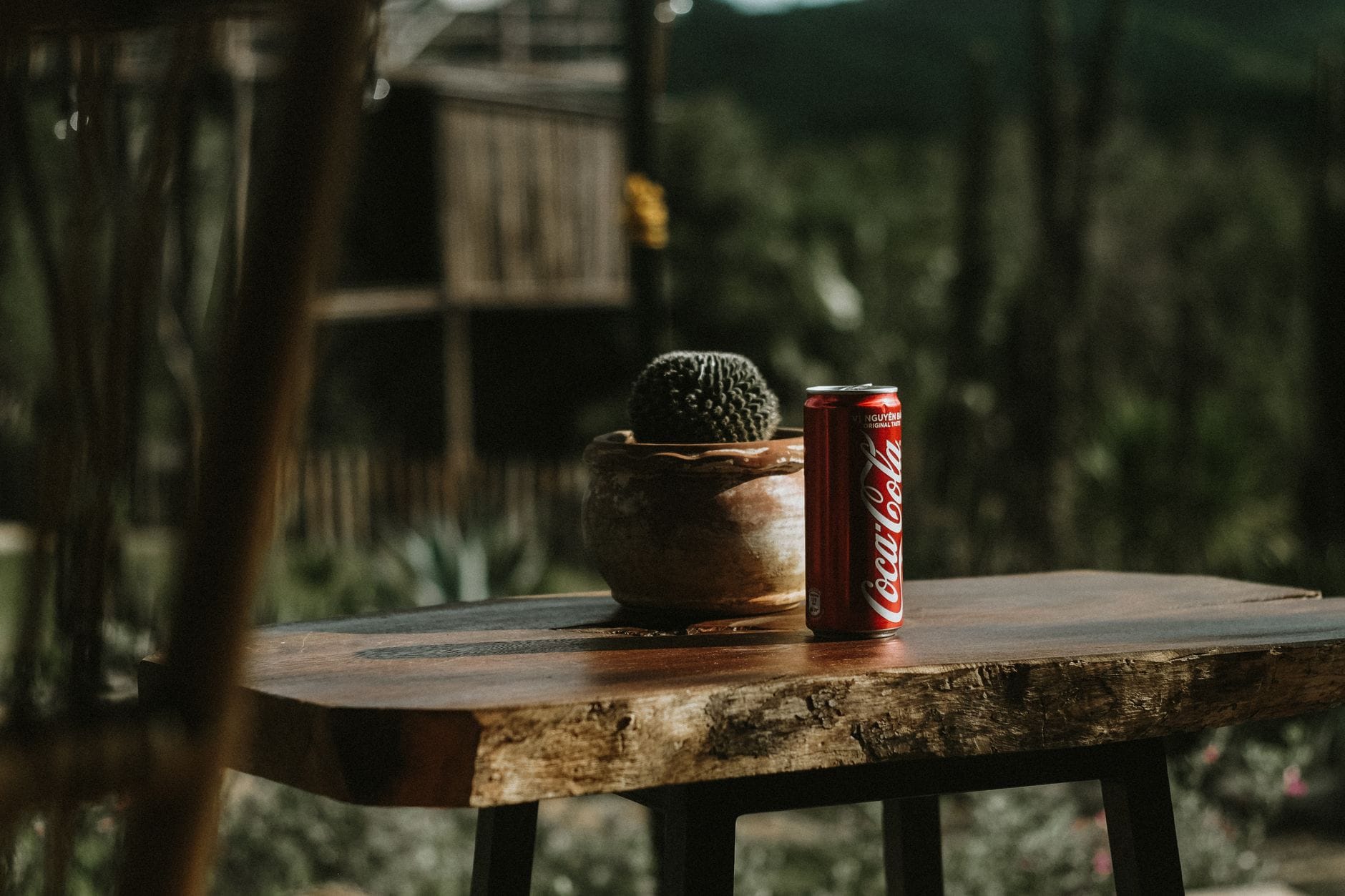
Coca-Cola's planned IPO of HCCB, its largest Indian bottler, signals consolidation in beverage infrastructure with direct implications for whisky distribution, cask demand, and spirits supply chains across South Asia.
Coca-Cola readies India bottler listing as beverage consolidation accelerates
The Coca-Cola Company is moving forward with a potential public listing of Hindustan Coca-Cola Beverages (HCCB), its largest bottling partner in India, signalling a major shift in how multinational beverage groups are restructuring their bottling infrastructure across emerging markets. This development carries direct implications for the spirits and whisky trade, particularly for producers navigating their own distribution networks and considering equity partnerships in high-growth regions like South Asia. The move reflects a broader trend of beverage majors unlocking value from bottling assets while maintaining operational control—a strategy increasingly relevant to premium spirits producers managing their own bottled goods. Understanding the mechanics and timing of this listing offers whisky traders and cask investors a window into how large-scale consolidation and public market access reshape supply chains and pricing power in the broader drinks sector.
The HCCB listing and India's bottling market structure
HCCB operates as the parent entity of Coca-Cola's bottling operations across India, a market of over 1.4 billion consumers where soft drink penetration remains comparatively low relative to developed markets. The company manages production, distribution, and retail relationships across multiple Indian states, controlling a significant share of the non-alcoholic beverage market through franchise agreements with The Coca-Cola Company. A public listing would allow HCCB to raise capital for infrastructure upgrades, supply chain automation, and geographic expansion while reducing Coca-Cola's direct capital exposure in India—a common playbook for multinational beverage groups seeking to optimize their balance sheets.
India's bottling sector has undergone rapid consolidation over the past decade, with large-scale producers investing heavily in cold-chain logistics, modern production facilities, and digital distribution networks. For the whisky trade specifically, this matters because improved bottling infrastructure, logistics efficiency, and retail distribution networks in India directly benefit premium spirits producers seeking to expand in the subcontinent. As HCCB modernizes its facilities and distribution reach, spirits companies relying on similar infrastructure—from logistics to retail shelf space—stand to gain from the spillover benefits of Coca-Cola's investment cycle.
- HCCB market position: Largest Coca-Cola bottler in India by volume and geographic reach
- Capital requirement: Estimated multi-billion-rupee investment needed for modernization and expansion
- Listing timeline: Expected within 12–24 months, subject to regulatory approval
- Strategic benefit: Unlocks equity value while preserving operational control through franchise agreements
Why beverage bottling IPOs matter to the whisky sector
The spirits and whisky industry shares critical infrastructure with soft drinks and non-alcoholic beverages: bottling lines, cold-chain distribution, retail logistics, and last-mile delivery networks. When a major bottler like HCCB goes public and raises capital for modernization, those improvements ripple across the entire drinks. Better logistics means faster delivery to premium retail channels; upgraded bottling facilities reduce contamination risk and improve labelling precision; enhanced distribution networks create shelf space for premium brands competing in crowded markets. For whisky market investors, the HCCB IPO offers five key lessons about how bottling consolidation affects brand access and pricing power in emerging markets.
Beyond infrastructure, the HCCB listing signals investor appetite for emerging-market beverage assets, which in turn influences how private equity and strategic buyers evaluate spirits companies with significant operations in South Asia. A successful HCCB IPO could unlock similar listings for other bottling platforms serving premium spirits, creating a new asset class for institutional investors focused on emerging-market distribution networks. This matters to whisky producers because it demonstrates a clear path to liquidity for bottling partnerships, potentially encouraging more strategic joint ventures between multinational spirits houses and regional bottlers.
Regulatory and competitive implications for spirits producers
India's alcohol regulatory framework is fragmented across state lines, with varying excise tax rates, licensing requirements, and retail restrictions that differ dramatically between Maharashtra, Tamil Nadu, Karnataka, and other major markets. The HCCB listing occurs within this complex environment, and the company's public status will likely increase scrutiny of its compliance practices, supply chain transparency, and tax obligations. For whisky producers, this heightened regulatory visibility creates both risk and opportunity: risk because any supply chain disruptions at HCCB could cascade to spirits distribution partners; opportunity because transparent, publicly audited bottling operations reduce counterfeiting risk and improve traceability for premium whisky brands.
Competitive dynamics also shift when a bottler becomes publicly listed. HCCB will face pressure from equity analysts to maximize margins, optimize asset utilization, and demonstrate revenue growth—metrics that could translate into higher service fees for non-Coca-Cola brands using HCCB's infrastructure. Conversely, a well-capitalized HCCB can invest in specialized bottling lines for premium spirits, offering whisky producers access to facilities without the capital burden of building in-house capacity. The American whiskey downturn has taught producers the value of flexible, shared production infrastructure—a lesson directly applicable to emerging markets like India.
Valuation signals and emerging-market spirits investment
The HCCB IPO will be valued based on comparable beverage bottlers and infrastructure companies, likely yielding a price-to-earnings multiple that reflects India's growth trajectory, regulatory risk, and competitive intensity. Early analyst estimates suggest a potential valuation in the $4–8 billion range, depending on assumed growth rates and discount factors for currency risk. This valuation range offers whisky traders and cask investors a benchmark for assessing other spirits-related infrastructure plays in South Asia: if HCCB commands a premium multiple due to India's 8–9% annual GDP growth and rising consumer spending, then specialized spirits distribution networks in the same region should command similarly attractive multiples.
A successful HCCB IPO could unlock similar listings for other bottling platforms serving premium spirits, creating a new asset class for institutional investors focused on emerging-market distribution networks.
The listing also signals investor confidence in India's long-term beverage consumption trends, including premiumization—the shift toward higher-priced, higher-margin products. For whisky, premiumization in India remains underpenetrated relative to developed markets, meaning a well-capitalized distribution network like HCCB's could accelerate the adoption of single-malt and premium blended Scotch among affluent Indian consumers. Irish whiskey producers, in particular, have seen strong growth in India over the past five years, and improved distribution infrastructure would amplify that momentum.
Cask market and supply chain implications
The HCCB listing indirectly affects the cask market by influencing how spirits producers plan their production and inventory in India and across South Asia. A public, well-capitalized bottler reduces operational uncertainty for spirits companies, making it easier to commit to multi-year production schedules and cask purchases. If HCCB invests in dedicated spirits bottling capacity, whisky producers can reduce their reliance on contract bottlers and secure longer-term agreements at more predictable costs. This stability in turn affects cask demand: producers with visibility into future bottling capacity can plan cooperage purchases more accurately, reducing spot-market volatility for ex-bourbon and ex-sherry casks.
, a publicly listed bottler is subject to quarterly earnings reports and analyst scrutiny, creating incentives for operational excellence and cost control. For whisky producers, this means HCCB will likely invest in automation, waste reduction, and supply chain optimization—improvements that could lower per-unit bottling costs and improve margins for spirits brands using HCCB's infrastructure. Specialty cask finishes and limited-edition bottlings, which require flexible production runs, benefit from bottlers with the capital and operational sophistication to handle small-batch, high-value orders.
What to watch as the HCCB IPO progresses
The timeline and valuation of the HCCB listing will offer critical signals for the broader spirits sector. Watch for: (1) the IPO timeline—any delays could signal regulatory headwinds affecting all beverage companies in India; (2) the valuation multiple—a premium multiple suggests strong investor appetite for emerging-market distribution infrastructure, which could unlock capital for other spirits bottlers; (3) post-listing capital allocation—whether HCCB invests in spirits-specific bottling lines or focuses exclusively on soft drinks; and (4) competitive responses from rivals like PepsiCo's bottling partners, which may launch their own listings or strategic partnerships.
For whisky traders and cask investors, the HCCB IPO is a bellwether for how multinational beverage groups are restructuring their supply chains and unlocking value from bottling assets in high-growth markets. Just as Swedish spirits consolidation has reshaped European distribution, the HCCB listing signals similar structural changes underway in South Asia. Monitor the company's investor presentations and quarterly guidance for clues about spirits-related revenue opportunities, regulatory changes affecting alcohol distribution, and capital expenditure plans that could reshape the competitive landscape for premium whisky brands in India and the broader subcontinent.
Frequently Asked Questions
Why is Coca-Cola listing its Indian bottler separately instead of keeping it as a wholly owned subsidiary?
Public listing allows Coca-Cola to unlock equity value, reduce capital requirements for Indian expansion, and demonstrate strong returns to shareholders without diluting the parent company's balance sheet. The franchise model preserves operational control while transferring capital intensity to the public entity. This is common practice among multinational beverage groups managing operations across multiple emerging markets.
How does the HCCB IPO affect whisky distribution in India?
A well-capitalized HCCB can invest in distribution infrastructure, cold-chain logistics, and retail partnerships that benefit all beverage categories, including premium spirits. Improved distribution networks make it easier for whisky brands to reach urban affluent consumers and expand beyond traditional on-premise channels. Better logistics also reduce contamination risk and counterfeiting, protecting brand integrity for premium whisky.
Could the HCCB IPO lead to higher bottling costs for non-Coca-Cola brands?
Possibly. Public companies face pressure to maximize margins, which could translate into higher service fees for third-party brands. However, a larger, more efficient HCCB can achieve economies of scale and invest in automation, potentially offsetting fee increases through lower per-unit costs. The net effect depends on competitive dynamics and HCCB's strategic priorities post-listing.
What does this mean for cask demand in the whisky sector?
Improved visibility into bottling capacity and lower operational uncertainty encourage whisky producers to commit to longer production schedules and plan cask purchases more accurately. This reduces spot-market volatility for ex-bourbon and ex-sherry casks and supports more stable pricing in the cask investment market.
Will other spirits bottlers follow HCCB's lead with their own IPOs?
Likely. A successful HCCB IPO demonstrates investor appetite for emerging-market beverage infrastructure and could prompt similar listings by bottling platforms serving premium spirits in South Asia, Southeast Asia, and Africa. This would create a new asset class for institutional investors focused on distribution networks and supply chain infrastructure.
🥃 Considering whisky casks as an investment? Speak to the Whisky Cask Club team — Singapore-based specialists working with collectors and investors across Asia.