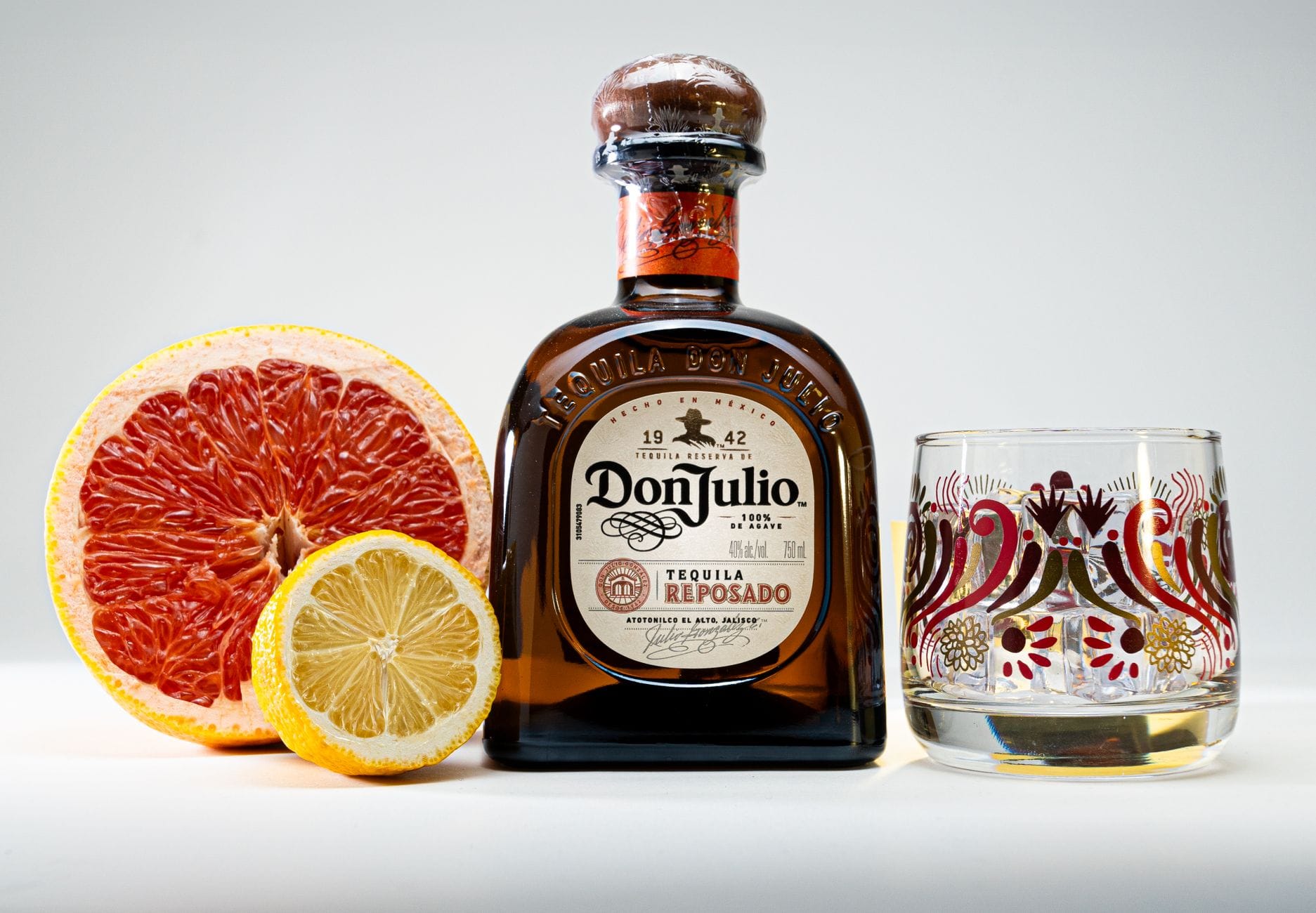
Brown-Forman posted flat organic revenue in fiscal 2026 with continued tequila brand decline. The slowdown signals broader premium spirits market pressure affecting whisky producers and cask investors.
Brown-Forman Tequila Decline Signals Broader Spirits Market Slowdown
Brown-Forman Corporation reported flat organic revenue across its fiscal 2026 year, with tequila brands continuing a second consecutive 12-month period of decline. The Louisville-based spirits giant, which owns iconic whisky brands including Jack Daniel's and Woodford Reserve, saw its portfolio growth stalled by persistent weakness in its Mexican spirits division. This marks a critical inflection point for one of the world's largest premium spirits producers and carries immediate implications for the broader whisky trade, cask investors, and distillery strategies across North America.
The flat revenue performance masks deeper portfolio stress. While Jack Daniel's Tennessee whiskey remains a global cornerstone brand, the company's tequila holdings—anchored by Herradura and El Jimador—are dragging on overall growth momentum. When a producer of Brown-Forman's scale and market access cannot drive tequila growth, it signals demand destruction in a category that has been a growth engine for the entire spirits industry for over a decade. For whisky investors and producers watching cask market dynamics, this is not merely a tequila story; it reflects consumer spending contraction at the premium end of the spirits spectrum.
The Tequila Headwind: Market Context and Scale
Tequila has been the fastest-growing spirits category globally since 2015, with annual growth rates routinely exceeding 10 percent. Brown-Forman's tequila portfolio represents a meaningful portion of its revenue base, and the brand's inability to sustain momentum suggests the category has hit a consumption ceiling in key markets, particularly the United States. Herradura, the company's flagship tequila brand, has historically commanded premium positioning and distribution depth across North American on-premise and retail channels.
The decline unfolds against a backdrop of aggressive category expansion. Over the past five years, tequila has attracted significant capital from new entrants, celebrity-backed brands, and established spirits houses seeking exposure to high-margin categories. This oversupply, combined with cooling consumer spending on premium spirits, has compressed margins and forced price reductions across the tequila portfolio. Brown-Forman's inability to maintain pricing power or volume in tequila suggests that even brand heritage and distribution scale cannot insulate producers from category-wide demand softness.
- Category: Tequila (Mexican spirits)
- Producer: Brown-Forman Corporation
- Key brands affected: Herradura, El Jimador
- Geographic focus: North America (United States primary market)
- Performance: Consecutive 12-month period of decline
- Overall company result: Flat organic revenue growth in fiscal 2026
Why This Matters for Whisky Producers and Cask Investors
Brown-Forman's tequila weakness is a bellwether for premium spirits demand across the North American market. The company's portfolio spans multiple categories—whiskey, tequila, brandy, and cordials—giving it visibility into consumer behavior across price points and occasions. When a diversified producer of this scale reports flat growth driven by category-specific decline, it suggests that premium spirits consumption is contracting, not merely shifting between categories.
For whisky producers, the implications are direct. Jack Daniel's, Woodford Reserve, and other American whiskey brands compete for the same consumer wallet as tequila, particularly in on-premise environments and among younger drinkers who view premium spirits as discretionary purchases. If tequila—a category that has benefited from social media momentum, celebrity endorsements, and cultural cachet—cannot sustain growth, then whisky faces headwinds from the same demand-side pressures. Cask investors tracking maturation timelines and future revenue expectations should factor in longer inventory hold periods and potential margin compression as producers work through oversupply.
The Brown-Forman result also underscores the risks of portfolio concentration. The company's reliance on Jack Daniel's for cash generation and brand prestige creates pressure to defend margins elsewhere. If tequila cannot contribute growth, whisky brands will face increased expectations to drive top-line expansion, potentially through aggressive promotional activity or market share gains that sacrifice profitability.
Broader Market Signals: What the Data Tells Us
Flat organic revenue at a company of Brown-Forman's scale is itself a warning signal. The spirits industry has benefited from premiumisation trends since 2010, with consumers trading up to higher-priced bottles and seeking craft or heritage brands. This trend supported margin expansion across the industry. Flat growth suggests that premiumisation has stalled or reversed in key markets, particularly among core consumer demographics that drive volume.
The tequila-specific decline points to category saturation and consumer fatigue. Between 2015 and 2024, tequila brand proliferation accelerated dramatically, with celebrity-backed entrants (George Clooney's Casamigos, The Rock's Teremana, and dozens of others) flooding the market. This oversupply has eroded pricing power and forced established brands like Herradura to compete on volume rather than margin. When volume also declines, the category enters a contraction phase that typically lasts 18 to 36 months before consolidation and rationalization occur.
Brown-Forman's flat organic revenue in fiscal 2026, driven by continued tequila decline, signals that even heritage brands with global distribution cannot overcome category-wide demand softness in premium spirits markets.
This matters for whisky because it suggests the entire premium spirits market is cooling. Consumers are trading down from $50+ bottles to $30-40 price points, or shifting spending away from spirits entirely toward wine, beer, or non-alcoholic alternatives. For producers of aged whisky, which requires multi-year maturation and carries significant carrying costs, margin compression and slower turnover directly impact returns on capital.
American Whiskey and Portfolio Strategy: The Jack Daniel's Question
Jack Daniel's Tennessee whiskey remains Brown-Forman's flagship brand and a global revenue driver. However, the American whiskey category has faced its own headwinds over the past 18 months, with some regional markets experiencing volume declines and promotional intensity increasing. The company's ability to offset tequila weakness with whiskey growth is critical to its strategic positioning.
Brown-Forman's portfolio strategy has historically relied on geographic diversification and category mix. In Europe and Asia-Pacific markets, whisky commands premium positioning and benefits from heritage narratives. In North America, tequila has been a growth accelerant. If tequila growth stalls while whiskey faces mature-market pressures, the company must pursue either aggressive international expansion or accept lower overall growth rates.
For producers and investors tracking Brown-Forman's broader Irish whiskey strategy through Slane Distillery, the fiscal 2026 result raises questions about capital allocation priorities. Will the company invest in new production capacity for growth categories, or will it focus on margin defense in mature brands? These decisions shape future supply dynamics and cask market pricing.
Cask Market Implications and Inventory Dynamics
Brown-Forman operates significant maturation capacity across Kentucky, Tennessee, and Ireland. The company's inventory management directly affects cask prices, secondary market liquidity, and independent bottler access to mature stock. When organic growth stalls, producers typically slow new-make production and extend maturation timelines to manage inventory levels and support pricing.
Flat revenue growth suggests that Brown-Forman may reduce new-make production or shift capacity allocation away from slower-moving product lines. This has cascading effects on the cask market: fewer new casks entering the market, reduced secondary trading activity, and potential tightening of supply for independent bottlers seeking mature stock. Historical patterns show that American whiskey downturns typically drive supply tightening within 12 to 18 months, creating opportunities for cask holders with mature inventory but challenges for producers requiring fresh supply.
Cask investors holding American whiskey barrels should expect lower turnover velocity and longer hold periods as producers manage inventory through slower growth cycles. This extends the time-to-return on cask purchases and increases carrying costs, which may pressure returns in the secondary cask market.
Competitive Positioning and Market Share Dynamics
Brown-Forman's flat growth occurs while competitors pursue aggressive expansion strategies. Diageo, the world's largest spirits company, has maintained steady growth through portfolio diversification and emerging market exposure. Sazerac, the largest American spirits producer by volume, has expanded whiskey capacity and pursued strategic acquisitions. Sazerac's previous $15 billion takeover approach to Brown-Forman reflected confidence in the spirits market's long-term growth, even as current conditions soften.
If Brown-Forman's growth remains flat while competitors expand, the company risks losing market share in key categories and geographies. This could pressure the company's strategic independence and valuation, creating pressure for portfolio rationalization or strategic partnerships. For whisky producers and investors, competitive consolidation often precedes category-wide margin compression, as larger players leverage scale to drive volume and market share gains.
What to Watch: Key Metrics and Timeline Ahead
Brown-Forman's fiscal 2027 guidance and quarterly results will be critical. Watch for signals on tequila stabilization, Jack Daniel's growth trajectory, and international whiskey performance. Any further tequila decline or weakness in core whiskey brands would suggest structural demand challenges rather than temporary softness. Conversely, stabilization or modest recovery would indicate that category-specific oversupply is clearing and consumer demand is steadying.
The company's capital expenditure guidance is equally important. If Brown-Forman reduces capex on new production capacity or extends maturation timelines, it signals management confidence in slower growth and inventory management priorities. This would tighten the cask market and potentially support secondary market pricing for mature stock.
Monitor competitive responses from Diageo, Sazerac, and other major producers. If Brown-Forman's flat growth becomes an industry-wide pattern, expect consolidation activity, brand portfolio rationalization, and potential shifts in premiumisation strategy. Recent data on US spirits depremiumisation and value sales declines suggest that category-wide margin pressure is real and likely to persist through 2026 and 2027.
Frequently Asked Questions
Why is Brown-Forman's tequila decline significant for the whisky market?
Tequila and whisky compete for the same consumer wallet in premium spirits. If tequila—a faster-growing category—cannot sustain momentum despite brand heritage and distribution scale, it signals broader demand softness in premium spirits that will eventually pressure whisky volumes and margins. Brown-Forman's flat revenue suggests the entire premium spirits market is cooling, not just tequila.
What does flat organic revenue mean for cask investors?
Flat revenue typically leads producers to slow new-make production and extend maturation timelines. This reduces new cask supply entering the market, tightens secondary cask liquidity, and extends hold periods for cask investors. Returns may compress due to longer time-to-exit and reduced turnover velocity in the secondary market.
Could Brown-Forman's weakness trigger industry consolidation?
Yes. Flat growth at a diversified producer of Brown-Forman's scale may attract acquisition interest from competitors seeking scale or portfolio consolidation. Sazerac's previous bid suggested appetite for strategic combinations. Consolidation typically precedes margin compression as larger players leverage scale to drive volume.
How does this affect Jack Daniel's strategy and pricing?
Jack Daniel's remains Brown-Forman's cash engine, but flat overall growth may force the company to defend margins and market share more aggressively. This could mean promotional activity that pressures pricing or brand positioning. International markets offer growth opportunities, but North American market share defense will dominate strategy near-term.
What timeline should producers and investors watch for recovery signals?
Monitor fiscal 2027 results and quarterly earnings for tequila stabilization and whiskey growth signals. Typically, category oversupply clears within 18 to 36 months through brand rationalization and consumer spending normalization. If Brown-Forman shows stabilization by mid-2027, it suggests the broader market is finding equilibrium. Continued decline would indicate structural demand challenges requiring portfolio repositioning.
🥃 Considering whisky casks as an investment? Speak to the Whisky Cask Club team — Singapore-based specialists working with collectors and investors across Asia.