
TL;DR
Japanese whisky has shifted from a speculative boom into a more selective, mature collector category. Demand remains strong, but buyers are now rewarding provenance, age, allocation discipline and distillery credibility rather than chasing every bottle with a Japanese label. For collectors, the opportunity is no longer broad momentum; it is careful selection of scarce, well-documented releases that can hold relevance beyond the hype cycle.
Japanese whisky 2026 no longer feels like a speculative mania story. The market has matured into something more durable: a category with enduring collector demand, a clearer understanding of quality, and a pricing structure that looks less like a bubble and more like a selective staple inside a serious whisky cabinet.
That change matters because it shifts the conversation from hype to hierarchy. Investors and collectors are no longer asking whether Japanese whisky is fashionable. They are asking which distilleries still deserve a premium, which bottles remain under-recognised, and where the market may still be mispricing long-term scarcity.
How the bubble turned into a staple
The early boom was driven by scarcity, awards, export attention, and a wave of buyers who wanted in before the market became too famous. That phase pushed prices up quickly and created the kind of momentum that often attracts headlines. Over time, though, the market matured. Collectors learned which names really mattered, retailers became more disciplined, and buyers became less willing to pay anything for a label with a Japanese script on it.
A staple market is different from a bubble market because buyers have frameworks. They know the names, the styles, the age statements, and the bottling histories. Japanese whisky has increasingly earned that status because people can now explain why they are paying for a bottle rather than just saying it is Japanese.
Why prices stabilised
Price stabilisation is usually a sign that the market has become more rational. When the fastest speculative buyers leave, the remaining demand is often more durable. That is what happened here. The market stopped behaving like a novelty trade and started behaving like a prestige category with real collector depth.
Another reason prices have stabilised is that supply is better understood. Bottles that were once seen as mysterious are now tracked more carefully, and collectors know that not every bottle will deliver the same result. That makes buyers more selective, which is exactly what a mature market needs.
Which distilleries still matter
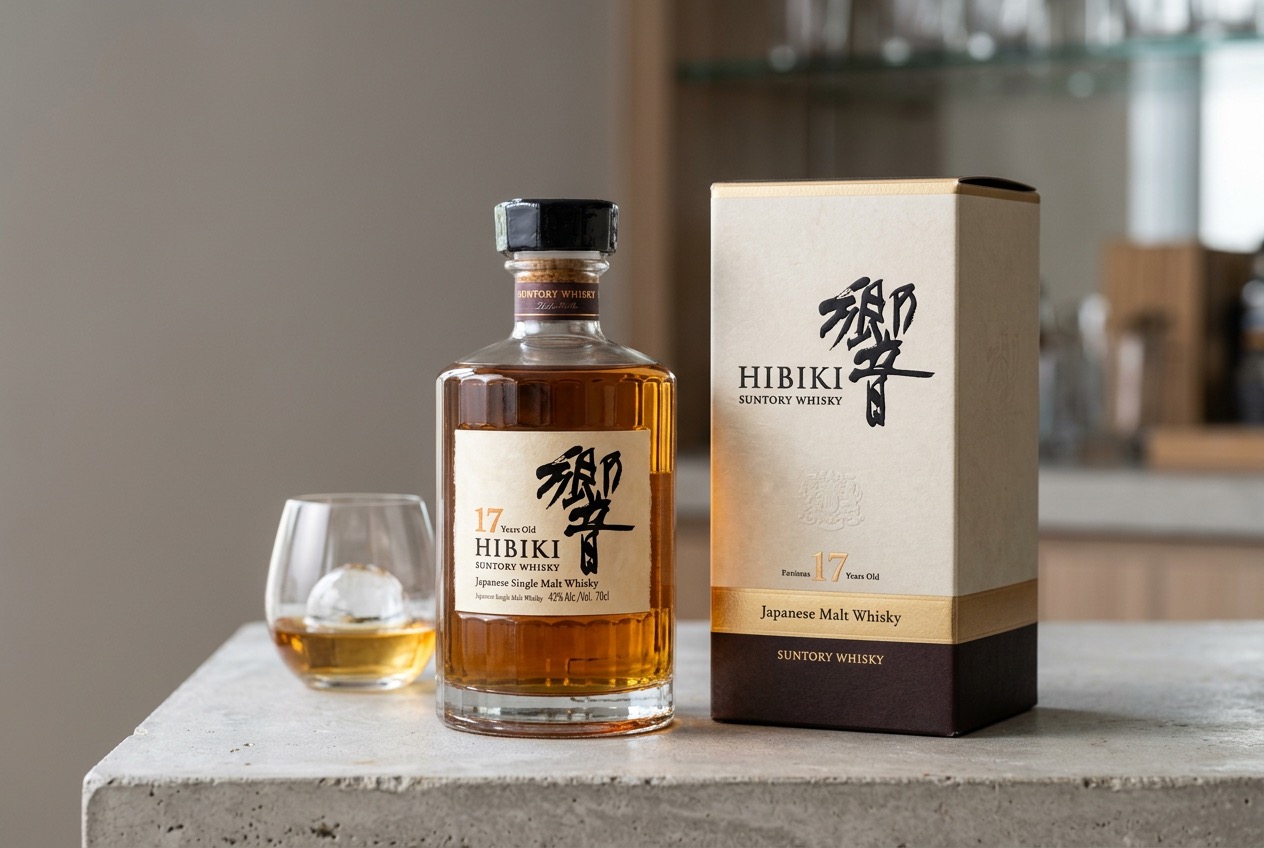
The usual names still matter for good reason. Nikka remains central because of its breadth and recognisability. Suntory remains essential because it anchors some of the most globally visible Japanese labels. Chichibu continues to matter because it has a cult following and a reputation for quality that punches above its production scale.
Nikka Coffey expressions also remain important because they show how style and identity can create demand beyond pure age statements. In a market that is becoming more mature, distillery character matters as much as the country of origin on the label.
The problem with old age-statement assumptions
For years, many buyers assumed that older automatically meant better. That is less true now. Discontinued age statements and limited releases still matter, but collectors have become more sophisticated about quality, balance, bottle condition, and whether the whisky still tastes like the label it came from is supposed to represent.
Japanese whisky 2026 buyers should think in terms of distinction, not just age. A thoughtfully made younger bottle can be more collectible than an overhyped older one if the latter lacks real demand or if the market has already priced all the obvious upside into it.
Why Mizunara oak still gets attention
Mizunara oak remains an easy subject for marketing and a genuinely interesting one for collectors. It is associated with aromatic spice, sandalwood-like character, and a distinct profile that can set some Japanese releases apart. But the oak itself does not create quality on its own. It amplifies an existing style when the whisky is already well made.
That is why the smartest buyers are careful. Mizunara can be a premium signal, but the bottle still needs balance, provenance, and market depth. A rare cask finish or a famous oak name is not enough if the whisky inside is not compelling.
What to buy now
The best buying strategy in 2026 is to focus on bottles and releases with a clear reason to hold their value. That can include respected distillery names, limited releases with real collector demand, older age statements that are actually scarce, and bottlings that sit at the intersection of quality and recognisability.
Collectors should avoid buying purely because the label says Japan. The category is more mature than that now. The best buys are the ones where you can explain the demand curve, the production story, and the eventual exit story in one sentence each.
Collector versus investor mindset
Collectors often think in terms of enjoyment, completeness, and prestige. Investors think in terms of demand, liquidity, and price discipline. Japanese whisky sits in the overlap between those two mindsets, which is why it can be so attractive and so easy to misread.
If you are buying for both enjoyment and value retention, the right approach is to avoid overpaying for trend-driven bottles and instead anchor your purchases in distilleries with enduring demand. That gives you a better chance of keeping the category enjoyable and investable at the same time.
Risks to watch in 2026
Counterfeits, condition issues, storage quality, and overexuberant pricing still matter. The more famous the label, the more carefully you should check provenance. Packaging condition, fill level, and distributor history can all change the way a bottle is valued.
A second risk is assuming the whole category will behave the same way. Japanese whisky is not one monolithic market. A blue-chip distillery bottling is not the same thing as a generic release from an unknown producer, and the market treats them very differently.
Japanese whisky in a broader portfolio
Japanese whisky works best as a disciplined collectible allocation, not as the only thing in a cabinet. It is often strongest when paired with other whisky categories so that your portfolio is not just a bet on one narrative or one country.
That is why many serious buyers compare it with bourbon, Scotch, and other prestige spirits before making a purchase. The category becomes easier to understand when you place it in context instead of treating it as a standalone legend.
How to read a bottle like an investor
An investor's eye is different from a casual drinker's eye. The label matters, but so do production details, batch consistency, age statement history, and how the bottle sits relative to similar releases. The question is not just whether the whisky is famous. It is whether the market will still care about it later.
That is why seasoned buyers usually compare release notes, availability, auction history, and present demand before they buy. They are looking for a story the market can repeat. If the story is too obscure, the bottle may be excellent to drink but weak as a collectible.
Where the category goes from here
The next phase of Japanese whisky is likely to be less dramatic but more durable. That is a good thing for serious collectors. A market that grows more slowly, but with better understanding of quality and pricing, is usually a healthier market than one driven by every bottle becoming a speculative event.
For buyers in 2026, the opportunity is to be selective while the category is still rich with nuance. The best bottles should continue to matter because they are genuinely good, not because they were briefly impossible to find.
How to spot a bottle that will still matter in five years
A bottle that still matters in five years usually has three things going for it: a respected producer, a style collectors recognise, and a reason to be scarce beyond simple marketing. If it also has good presentation and a believable production story, that helps even more.
Look for releases that collectors can talk about without resorting to vague adjectives. If the bottle has a clear place in the distillery's history, a known demand base, and enough secondary-market visibility to prove liquidity, it is much more likely to remain relevant.
How collectors should think about the next 12 months
Over the next 12 months, the safest approach is likely to be selective accumulation rather than aggressive chasing. The market is still full of good bottles, but the days of buying every Japanese release just because it is Japanese are long gone. A calmer market means your edge comes from discipline, not from FOMO.
That discipline can include watching for special releases, bottlings with a strong regional reputation, and bottles that sit just below the level where the whole market is already talking about them. The best opportunities are often in the spaces where quality is obvious but the crowd has not fully crowded in yet.
A final collector rule
If you need a slogan for the category, use this one: buy the story you can explain, not the bottle you can only admire. The market increasingly rewards collectors who understand provenance, style, and demand, not buyers who simply chase whatever is hardest to find this week.
Recommended reading
- The Best Japanese Whiskies According To The London Spirits Competition 2026
- Best Bourbon Under $50 in 2026: 7 Expert-Picked Bottles Worth Buying
- TB12 Hazmat Bourbon: Terry Bradshaw Launches High-Proof Release in Houston
For a live comparison set, see <a href="https://whiskybulletin.com/the-best-japanese-whiskies-according-to-the-london-spirits-competition-2026-2/">The Best Japanese Whiskies According To The London Spirits Competition 2026</a>, <a href="https://whiskybulletin.com/best-bourbon-under-50-in-2026-7-expert-picked-bottles-worth-buying/">Best Bourbon Under $50 in 2026: 7 Expert-Picked Bottles Worth Buying</a>, and <a href="https://whiskybulletin.com/tb12-hazmat-bourbon-terry-bradshaw-launches-high-proof-release-in-houston/">TB12 Hazmat Bourbon: Terry Bradshaw Launches High-Proof Release in Houston</a>.
Japanese whisky 2026 has moved from bubble to staple because the market learned how to sort quality from novelty. That is good news for collectors, because the category now rewards patience and judgment instead of blind enthusiasm.
Frequently Asked Questions
Why is Japanese whisky described as a staple rather than a bubble in 2026?
Because pricing and demand have become more selective. The market is still strong, but collectors are focusing on quality, age statements, provenance and credible distillery supply rather than speculative scarcity alone.
Does this mean all Japanese whisky is a good buy?
No. The stronger market rewards the best documented and most desirable releases. Generic bottles, unclear sourcing and overhyped limited editions still carry downside risk.
What should collectors prioritise?
Collectors should prioritise recognised producers, transparent provenance, condition, storage history, age statements where relevant, and releases with durable demand beyond short-term allocation pressure.
How does this compare with Scotch whisky collecting?
Scotch remains the deeper and broader market, but Japanese whisky has earned a more permanent role for collectors who want exposure to a smaller, scarcer and internationally recognised category.