TL;DR: The proposed 50% US tariff on Canadian whisky is poised to drastically disrupt cross-border supply, potentially driving up secondary market valuations for rare Canadian releases already in the United States while shifting global trade dynamics.
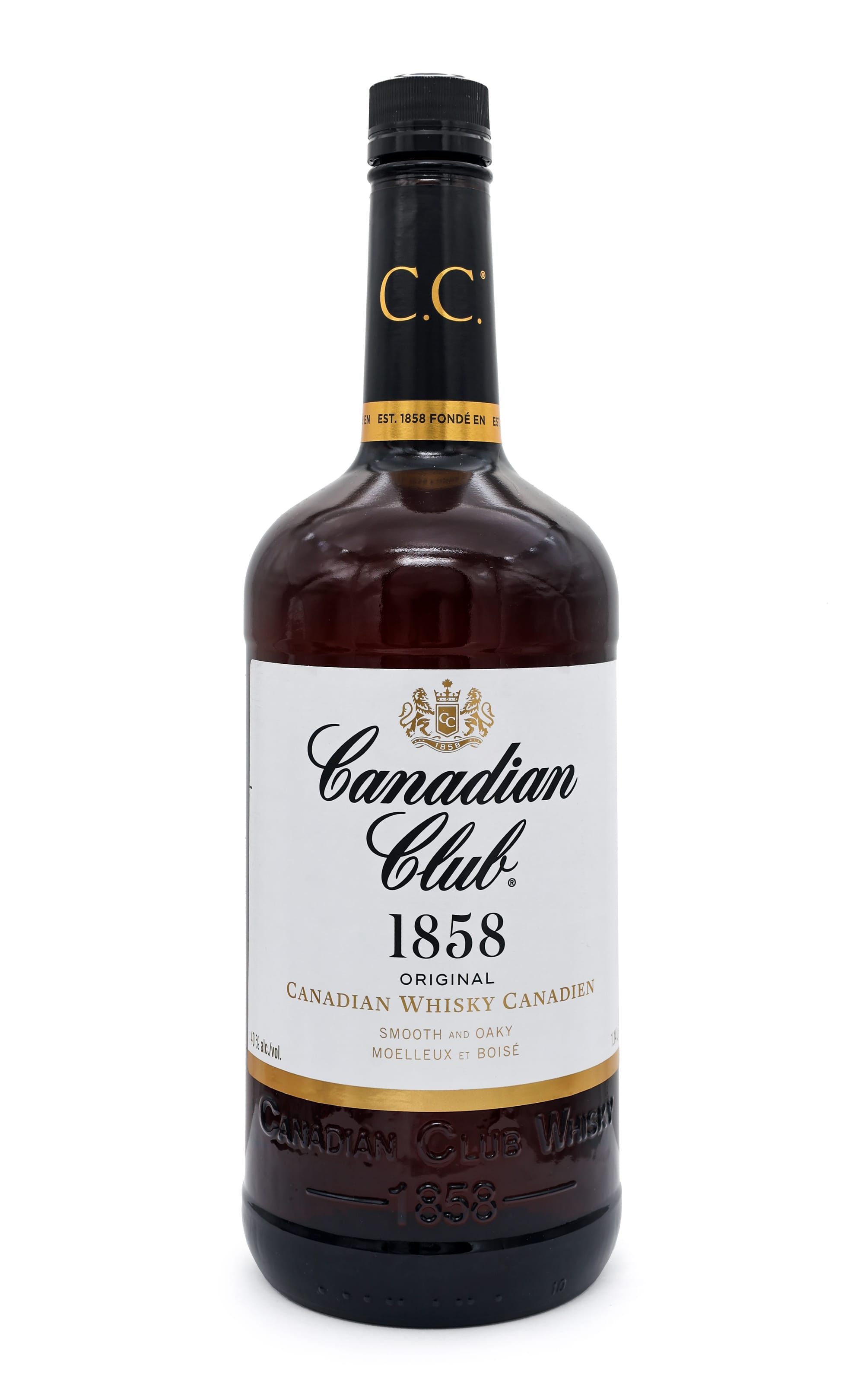
In a move that has sent shockwaves through the North American spirits industry, a sweeping 50% tariff on Canadian whisky entering the United States has been announced. While the immediate focus has been on consumer retail prices and retail availability, the ripple effects on the secondary and collector markets are profound.
Canadian whisky, long viewed as a reliable and high-volume import, features several ultra-premium and limited-edition expressions that have been steadily gaining traction among serious collectors. With new imports facing a punitive 50% levy, the existing supply of high-age-statement Canadian whiskies already physically located within the US borders is expected to see a significant, artificial tightening of supply.
For investors and collectors, regulatory friction often acts as a catalyst for value appreciation. The immediate barrier to entry for new stock creates an isolated market environment. Historically, when tariffs disrupt established trade routes for spirits, the perceived scarcity of premium bottles increases almost overnight. Collectors holding rare expressions from established Canadian distillers may find their assets re-evaluated in a market suddenly starved of fresh premium supply.
Frequently Asked Questions
What is the new tariff on Canadian whisky?
A newly proposed 50% tariff on Canadian whisky imports into the United States.
How will this affect whisky collectors?
It will likely constrict the supply of premium Canadian whisky entering the US, potentially increasing the secondary market value of rare bottles already circulating domestically.
Are other spirits affected?
While this specific tariff targets Canadian whisky, it highlights the volatility of international spirits trade and the impact of geopolitical events on collector markets.