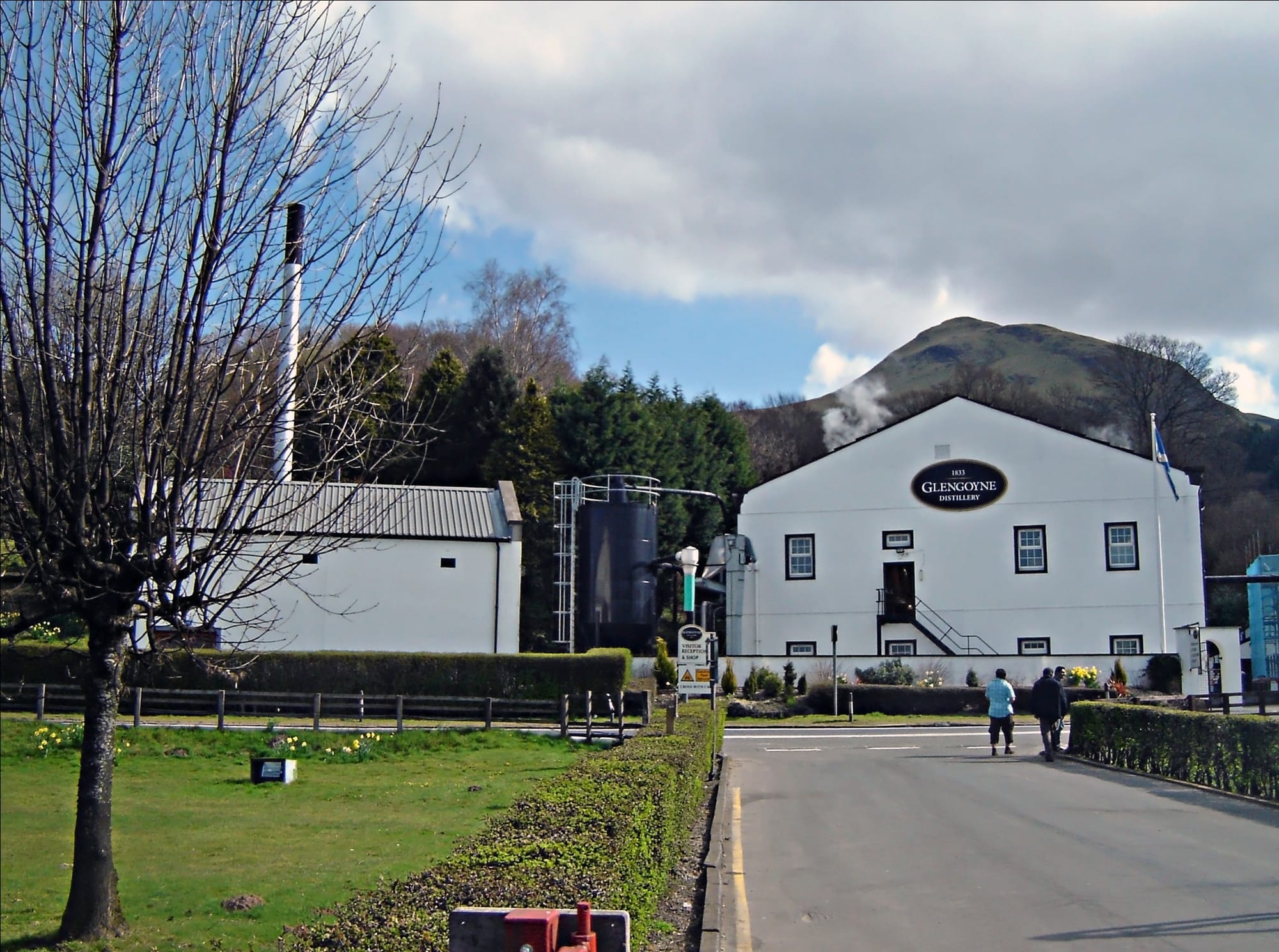
TL;DR: The release of Glengoyne Mizunara Oak highlights a growing trend: Scotch distilleries leveraging the extreme rarity and high cost of Japanese Mizunara casks to command premium pricing and drive long-term collector interest.
As the secondary market for rare single malts continues to mature, collectors are increasingly looking beyond age statements to the specific provenance of the maturation wood. Glengoyne's recent Mizunara Oak expression perfectly encapsulates this shift. By utilizing Japanese Mizunara oak—notoriously difficult to cooper, prone to leakage, and incredibly scarce—distilleries introduce a layer of intrinsic rarity to their releases.
Mizunara oak (Quercus crispula) must typically be around 200 years old before it can be harvested for cask production. This biological bottleneck means supply will never scale to meet global demand. When a traditional Highland distillery like Glengoyne secures these prized casks, the resulting whisky is defined by structural scarcity from the moment of conception.
For the whisky investor, the use of Mizunara oak serves as a powerful differentiator. It bridges the prestige of classic Scotch maturation with the exotic allure of Japanese whisky culture. As more top-tier distilleries experiment with Mizunara, early adoptions and well-received expressions like Glengoyne's establish a high benchmark, making them compelling targets for long-term hold strategies.
Frequently Asked Questions
What is Mizunara oak?
A rare species of Japanese oak known for imparting distinct notes of sandalwood and coconut, but notorious for being difficult to work with and prone to leaking.
Why makes Mizunara casks so expensive?
The trees require roughly two centuries of growth before harvesting, and the wood's porous nature leads to high wastage during coopering and maturation.
Is the Glengoyne Mizunara Oak highly collectible?
Yes, the combination of a respected Highland distillery and the extreme rarity of genuine Mizunara casks creates a compelling proposition for collectors.