The UK's Insolvency Service had Cask Spirits Global Limited wound up at London's High Court after finding that most of its customers held no valid proof they owned the whisky casks they paid for, a case worth studying closely for any APAC buyer considering the cask market.
TL;DR
- The Insolvency Service had Cask Spirits Global Limited wound up at the High Court in London on 25 August 2026, after finding only 4 of 17 investigated customers, who paid £97,249 (about US$136,000) combined, held valid cask ownership documents.
- Some customers were issued certificates for casks that did not exist, casks registered in the company's own name, or paperwork naming bonded warehouses that had no relationship with the firm at all; true losses may be higher, since the company withheld 27 of 29 accounting documents investigators requested.
- Whisky cask investment remains unregulated by the UK's Financial Conduct Authority, so the same verification gap that trapped these customers applies equally to APAC-based buyers; the practical fix is confirming ownership directly with Companies House and the named bonded warehouse, not relying on a seller's own paperwork.
What did the Insolvency Service find at Cask Spirits Global?
Cask Spirits Global Limited, incorporated in June 2024, was wound up at London's High Court on Tuesday 25 August 2026, following an Insolvency Service investigation into how it treated customers. Investigators examined 17 customers who had paid a combined £97,249 for whisky cask investments and found that only four held valid documentation proving they actually owned the casks in question. The Insolvency Service has warned that the real scale of harm could be larger still, since the company handed over just two of the 29 accounting documents investigators requested. The Official Receiver has now been appointed liquidator.
How did the fake cask certificates actually work?
The mechanics were straightforward but hard for an outsider to catch. Some customers received certificates for casks that simply did not exist. Others got certificates registered in the company's own name rather than theirs, or referencing bonded warehouses that, when checked, had no relationship with Cask Spirits Global at all. In one case cited by investigators, a customer who had been promised returns of 120 to 150 percent was told his cask sat in a bonded warehouse in Scotland; the warehouse denied ever dealing with the company. The firm also traded publicly as "Cask Spirits Ltd," a name that does not exist at Companies House, meaning customers' paperwork referred to a company that, legally, was not the one taking their money.
Why does this matter for whisky cask investors, including APAC buyers?
This is not an isolated incident. The Spirits Business, in its independent report on the case, quoted drinks writer Felipe Schrieberg describing the case as "the tip of the iceberg" for an unregulated market prone to misinformation. It follows a July 2026 Advertising Standards Authority ruling against another UK cask firm, Capgroup Int, over misleading review scores, and a 2025 BBC documentary that examined cask scams more broadly.
For APAC-based collectors and would-be investors, particularly in hubs like Singapore and Hong Kong where cask brokers actively solicit overseas buyers by phone and social media, the risk is arguably higher, not lower: a buyer who cannot visit a Scottish bonded warehouse in person has fewer natural opportunities to catch a fabricated certificate before money changes hands. Cask Spirits Global's marketing followed a familiar script, cold-calling and targeted social advertising promising outsized, tax-advantaged returns, a pattern regional buyers should treat as a warning sign rather than a selling point.
Is whisky cask investment regulated at all?
Not in the way a stock or a fund is. Cask investment sits outside Financial Conduct Authority oversight, so there is no equivalent of the UK's Financial Services Compensation Scheme to fall back on if a firm turns out to be fraudulent. The Insolvency Service can investigate and shut down a company after harm has occurred, and can pursue director disqualification or criminal referrals, but it does not license or pre-vet cask sellers. That gap is exactly what let Cask Spirits Global operate for roughly a year after regulators say it stopped genuinely trading.
How can an investor verify a cask is real before or after buying?
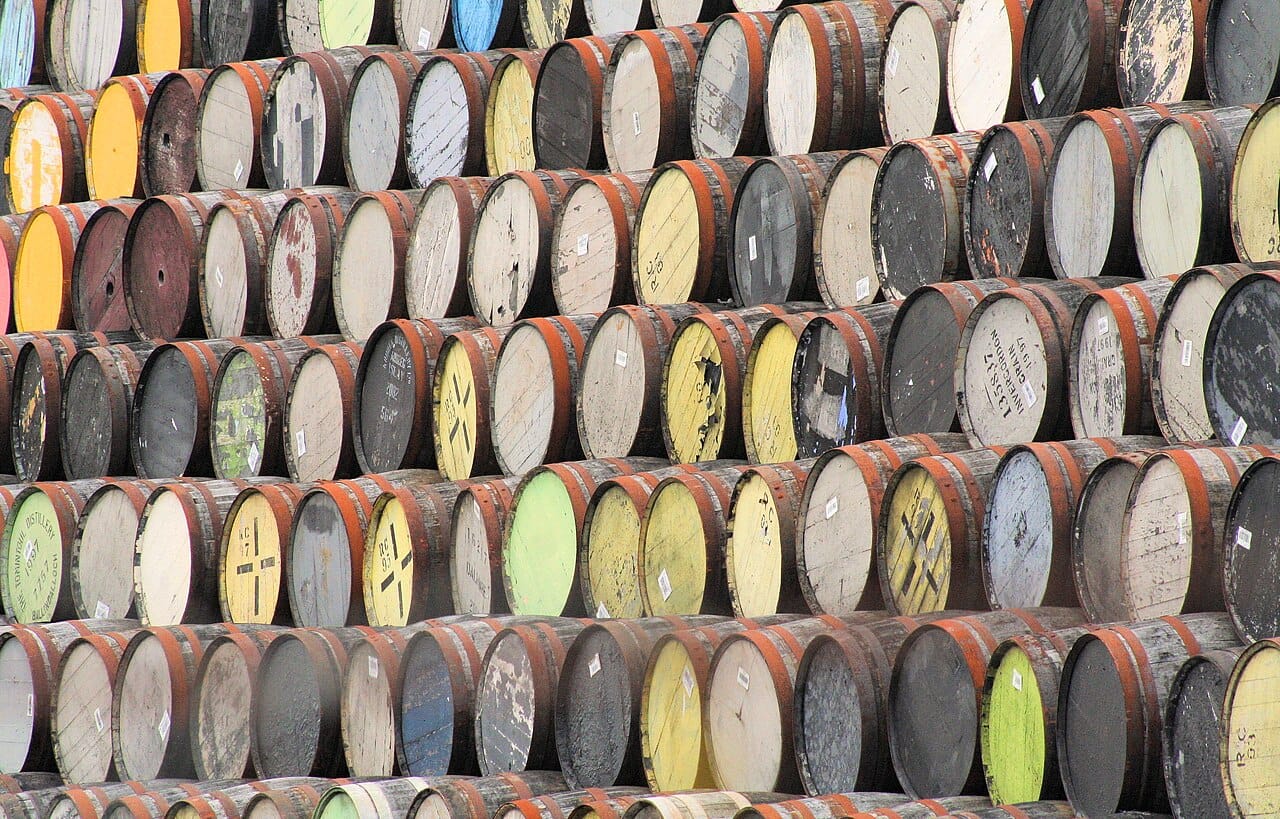
A few checks are within any buyer's reach. First, confirm the seller's exact registered name and number at Companies House, not a trading name on a website or brochure. Second, ask the seller to name the specific bonded warehouse holding the cask, then contact that warehouse independently to confirm the cask exists under the buyer's name, rather than accepting a certificate at face value. Third, request a delivery order or equivalent transfer document consistent with the warehousekeeper licensing rules that replaced WOWGR in 2025, since that framework governs how legal title to a cask is supposed to change hands. These steps mirror the basics of how legitimate cask ownership is supposed to work, and they sit alongside the broader question of whether cask fraud is a systemic risk to the industry that regulators and trade bodies are still working through. They also echo lessons from a separate 2026 Advertising Standards Authority ruling against Capgroup Int, where the concern was less about fabricated casks and more about firms understating investment risk to begin with.
None of this is a guarantee. Even careful buyers can be misled by convincing paperwork, and nothing here should be read as advice to buy or avoid any particular cask, broker, or investment structure; that judgment call, and any tax or legal implications, is for the investor and their own advisers to make.
Frequently Asked Questions
Is whisky cask investment regulated in the UK?
No. Cask investment falls outside Financial Conduct Authority regulation, so there is no licensing regime for sellers and no compensation scheme equivalent to the FSCS if a firm defrauds its customers. The Insolvency Service can act against a company after problems are identified, but this is enforcement after the fact, not upfront oversight.
Can Cask Spirits Global's customers get their money back?
This is not confirmed either way. The Official Receiver is now liquidating the company, and recovery for customers will depend on what assets, if any, can be identified and realized during that process. The Insolvency Service's own statement notes the true scale of losses is still unclear.
How can I check whether a whisky cask I've been offered is genuine?
Verify the seller's exact legal name and registration at Companies House, then contact the named bonded warehouse directly to confirm the cask is registered in your name rather than relying solely on a certificate the seller provides. Ask for documentation consistent with current UK warehousekeeper licensing rules, and treat cold calls or social media pitches promising very high, guaranteed-sounding returns as a reason for extra caution rather than urgency.
Sources and Method
This article is based on the Insolvency Service's official press release published on GOV.UK (27 August 2026), which is the primary regulatory source for the winding-up order, investigation findings, and quoted comment from Chief Investigator Mark George. It was cross-checked against The Spirits Business's independent report (Joe Rogers, 27 August 2026), which added the US-dollar conversion, the Companies House director name, and an independent quote from drinks writer Felipe Schrieberg. Company registration details (number 15783661, June 2024 incorporation) are as stated in the GOV.UK release. No figures, quotes, or claims beyond what these two sources state have been included; where a point could not be verified, such as the ultimate recovery amount for affected customers, the article states plainly that it is not yet known.
For related coverage, see this publication's earlier reporting on a separate 2026 Advertising Standards Authority ruling against Capgroup Int, on the warehousekeeper licensing rules that replaced WOWGR in 2025, on the broader question of whether cask fraud is a systemic risk to the industry, and on the basics of how legitimate cask ownership is supposed to work.