Spirits brands have shifted from aspirational content to participatory engagement on social media in 2026. Whisky distilleries now compete on community authenticity, with direct implications for cask valuations and secondary market premiums. Independent distilleries outperform multinationals on engagement metrics.
Spirits Brands Dominate Social Media 2026: Whisky's Digital Strategy Shift
Major spirits producers have fundamentally restructured their social media playbooks in 2026, abandoning the glossy, aspirational content that dominated the sector for over a decade. Instead, brands are now competing for authenticity through spontaneous, user-generated participation—a seismic shift that has reshaped how whisky distilleries, bourbon houses, and premium spirits companies engage consumers across Instagram, TikTok, and emerging platforms. This pivot reflects a broader recognition that passive brand worship has given way to active community participation, forcing even the most heritage-rich distilleries to rethink their digital voice.
For whisky trade professionals, cask investors, and spirits buyers, this transformation carries real commercial weight. The shift away from polished brand narratives toward grassroots engagement directly influences how new releases gain traction, how secondary market premiums develop, and ultimately, which distilleries command premium valuations on the open market. Understanding the mechanics of this digital realignment is no longer optional for serious whisky traders—it has become a core metric in assessing brand momentum and consumer sentiment ahead of major bottling announcements or cask sales.
The Decline of Aspirational Content and Rise of Participatory Engagement
For years, spirits brands built their social media presence on a foundation of carefully curated lifestyle imagery: tasting rooms bathed in golden hour light, master distillers posed against copper stills, and impossibly polished product shots designed to communicate exclusivity and heritage. That model has largely collapsed. Consumers, particularly younger drinkers and collectors active on platforms like TikTok and Instagram Reels, have grown fatigued by manufactured glamour and now reward brands that demonstrate transparency, humor, and willingness to engage in real-time conversation.
This shift has forced major producers to fundamentally alter their content calendars and approval processes. Brands like Diageo, Pernod Ricard, and independent Scottish distilleries have begun empowering local teams to post spontaneously—responding to trends, answering questions in comments, and participating in viral challenges—rather than waiting for corporate sign-off on every post. The speed of engagement has become a competitive advantage, with brands that can respond to cultural moments within hours outperforming those bound by traditional marketing cycles.
For whisky specifically, this has meant a visible uptick in behind-the-scenes content from production floors, candid interviews with cooperage staff, and unfiltered commentary on supply chain challenges. Distilleries like Kilchoman in Islay and Titanic Distillers in Belfast have built substantial followings by showcasing the unglamorous work of whisky-making—fermentation tanks, cask repairs, and production pauses—rather than hiding operational realities behind polished brand narratives.
How Social Media Metrics Now Drive Market Sentiment and Cask Values
The commercial implications of this digital realignment extend well beyond marketing optics. Cask investors and secondary market traders now monitor social media engagement rates, comment sentiment, and follower growth as leading indicators of brand health and future demand. A distillery that gains 50,000 engaged followers in a quarter while announcing a new cask release will likely see stronger pre-sales and higher secondary market premiums than a competitor with passive, high-follower-count accounts that generate minimal interaction.
This dynamic has created a new tier of market intelligence for serious whisky professionals. Platforms like Instagram and TikTok now function as early-warning systems for demand shifts, collector sentiment, and emerging preferences within specific age statements, cask types, or regional styles. When a post about a 15-year-old ex-bourbon cask Speyside release generates 10,000 comments and 2,000 shares within 48 hours, savvy traders recognize this as a signal to monitor secondary market pricing and adjust inventory accordingly.
Several major distillery owners have begun incorporating social media performance metrics into their strategic planning and financial forecasting. Brands that can demonstrate consistent, authentic engagement now command higher valuations in M&A discussions and attract better terms from major distributors. This represents a meaningful shift from the pre-2020 era, when social media was treated as a cost center rather than a revenue-influencing asset.
Key Players and Their Digital Strategies in 2026
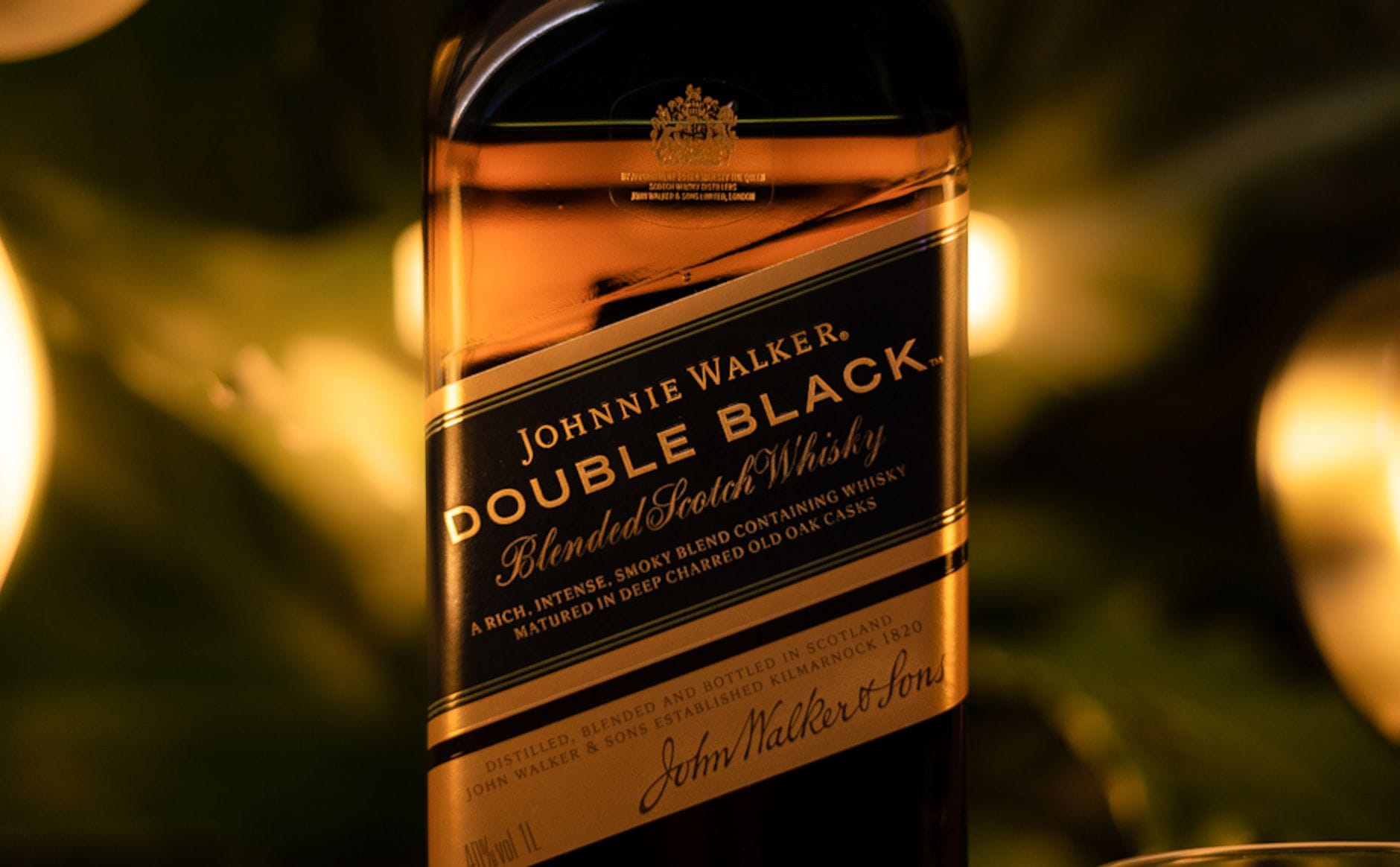
The top spirits brands on social media in 2026 span a diverse range of producers, each employing distinct approaches to community engagement. Large multinational producers like Diageo, which owns brands including Johnnie Walker, Talisker, and Oban, have decentralized their social media operations, allowing regional teams greater autonomy to adapt content for local audiences while maintaining core brand guidelines. This hybrid approach has allowed Diageo to maintain scale while appearing more agile and responsive than competitors operating under stricter centralized approval structures.
Independent and craft distilleries have emerged as unexpected winners in this landscape, leveraging their smaller size and direct-to-consumer relationships to build fiercely loyal online communities. Distilleries like Boann in Ireland and Gordon & MacPhail have cultivated engaged audiences by featuring staff members as personalities, sharing production challenges transparently, and treating their followers as collaborators rather than passive consumers. These brands often generate higher engagement rates (comments and shares per post) than much larger competitors, despite smaller absolute follower counts.
Bourbon producers have also adapted rapidly to this shift. Major Kentucky distilleries have begun hosting live distillery tours via Instagram Stories and Reels, answering real-time questions about mash bills, barrel aging, and cask selection during broadcast sessions. This format has proven particularly effective at educating newer collectors and building loyalty among younger drinkers who might otherwise gravitate toward lower-priced alternatives or non-whisky spirits.
The following table illustrates how different producer types are allocating resources and measuring success on social platforms:
- Multinational Corporations (Diageo, Pernod Ricard): Decentralized teams, high follower counts, focus on brand consistency across markets, success measured by reach and impressions.
- Independent Distilleries (Kilchoman, Boann, Titanic): Centralized but agile operations, smaller follower counts, focus on engagement quality, success measured by comment sentiment and shares.
- Bourbon Producers (Buffalo Trace, Jim Beam parent Beam Suntory): Educational content focus, live streaming, cask-level transparency, success measured by engagement rate and community growth.
- Heritage Scotch (Glenmorangie, Highland Park): Hybrid approach, mixing heritage storytelling with participatory content, focus on collector and enthusiast segments.
Why Whisky Distilleries Must Adapt or Risk Losing Market Share
For distilleries that have not yet embraced this participatory model, the financial consequences are becoming measurable. Brands that continue to rely on traditional advertising and polished social content are seeing slower adoption among Gen Z and millennial drinkers, the cohorts driving premiumization and secondary market activity. When a new bottling launches, consumers now expect to see behind-the-scenes production footage, direct answers from the master distiller, and community-driven content—not just a product announcement and a price tag.
This shift also affects how distilleries interact with independent bottlers and cask brokers. A distillery with a strong, engaged social media presence can command premium prices for cask allocations because buyers know those casks will be marketed effectively to an active, vocal community. Conversely, distilleries with weak digital engagement may find themselves competing primarily on price, eroding margins and reducing the perceived prestige of their product.
Brands that can demonstrate consistent, authentic engagement now command higher valuations in M&A discussions and attract better terms from major distributors. Social media performance has become a material factor in corporate valuation and strategic positioning.
The practical implication is clear: distilleries must now allocate meaningful budget and personnel to social media operations, not as a marketing afterthought but as a core business function. This includes hiring community managers, training staff to represent the brand authentically online, and establishing approval processes that allow rapid response to trends without sacrificing quality control or brand integrity.
Regulatory and Ethical Boundaries in Spirits Social Media
As spirits brands have become more active and spontaneous on social platforms, regulatory scrutiny has intensified. Alcohol advertising rules vary significantly by jurisdiction—the UK's Advertising Standards Authority, the US Federal Trade Commission, and EU member states all maintain strict guidelines on how spirits can be marketed online. Brands must balance the desire for authentic, participatory engagement with the legal requirement to avoid marketing alcohol to minors or making unsubstantiated health claims.
Several major producers have faced social media enforcement actions in 2025 and early 2026 for content that regulators deemed to target underage users or violated advertising codes. This has forced brands to implement more rigorous compliance protocols, including age-verification systems for certain content and clearer labeling of sponsored posts. The tension between regulatory compliance and authentic engagement remains a significant operational challenge for spirits marketers.
Whisky distilleries operating across multiple markets must navigate these varying standards carefully. A post that complies with UK advertising rules may violate US regulations, and content that resonates in one market may face legal challenges in another. This complexity has created an opportunity for specialized compliance consultants and has raised the cost of managing truly global social media campaigns.
What to Watch: Digital Strategy Trends for Whisky in Late 2026 and Beyond
Several emerging trends will shape how whisky brands approach social media strategy in the second half of 2026 and into 2027. First, expect increased investment in video content, particularly short-form video on TikTok and YouTube Shorts. Distilleries that can produce compelling, educational content in the 15-60 second format are seeing disproportionate engagement and follower growth compared to those relying on static images or longer-form posts.
Second, look for deeper integration between social media engagement and direct-to-consumer sales. Brands like Knob Creek, which has partnered with specialist retailers to release exclusive barrel picks, are using social media to drive demand for limited releases and cask selections. This direct connection between online community and product availability is becoming a standard competitive advantage.
Third, monitor the rise of collector-focused content and secondary market transparency. As rare whisky auctions at Christie's continue to attract major media attention, distilleries are beginning to engage directly with the collector and investment community on social platforms, sharing data on cask performance, age statements, and market trends that would have been considered proprietary information just five years ago.
Finally, expect continued consolidation of social media platforms and tools. As TikTok faces regulatory pressure in multiple markets, whisky brands are diversifying their presence across emerging platforms and building owned-media channels (email, Discord communities, dedicated apps) to reduce dependence on any single platform's algorithm or policy changes.
Frequently Asked Questions
How has social media engagement changed the way whisky distilleries market new releases?
Distilleries now announce new releases through social media first, often engaging their community for feedback before formal press releases. This creates a sense of insider access and community participation that traditional marketing channels cannot replicate. Limited releases are frequently sold out within hours of a social media announcement, and secondary market premiums are often established by community discussion and engagement rates rather than traditional critic reviews.
What metrics should cask investors monitor on social media to assess brand health?
Key metrics include engagement rate (comments and shares per post), sentiment analysis of comments, follower growth velocity, and the presence of brand ambassadors or collectors in the community. A distillery whose followers are actively discussing cask types, cooperage details, and production methods demonstrates a more engaged, educated consumer base than one where followers simply like posts without commenting. This engagement quality directly correlates with secondary market premiums and cask demand.
Are independent distilleries outperforming multinational producers on social media?
Independent distilleries often achieve higher engagement rates and comment sentiment scores, but multinational producers maintain larger absolute follower counts and broader market reach. Success metrics differ: independent distilleries prioritize community loyalty and engagement quality, while multinationals focus on brand awareness and reach. Both strategies are commercially viable, but they appeal to different consumer segments and drive different revenue models.
How do regulatory restrictions affect spirits brands' social media strategies?
Alcohol advertising regulations require age-gating, prohibition on marketing to minors, and restrictions on health claims. Brands must implement compliance protocols including age verification for certain content and clear labeling of sponsored posts. This adds operational complexity and cost but is non-negotiable for brands operating across multiple jurisdictions. Regulatory enforcement has intensified in 2025-2026, making compliance a material business consideration.
What role does user-generated content play in whisky brand strategy?
User-generated content—photos of bottles, tasting notes, collection posts, and reviews from consumers—has become a primary driver of brand credibility and reach. Distilleries now actively encourage and repost consumer content, treating followers as collaborators in brand building. This approach is particularly effective for building loyalty among collectors and generating authentic testimonials that paid advertising cannot replicate. Hashtag campaigns and community challenges centered on user-generated content are now standard practice.
Trade Implications and Next Steps
For whisky professionals managing cask portfolios, evaluating distillery acquisitions, or planning bottling strategies, social media performance has become a material business metric alongside production capacity, cask inventory, and regulatory compliance. The brands that will command premium valuations and maintain strong secondary market demand in 2026 and beyond are those that have successfully transitioned from broadcast marketing to authentic community engagement. This shift requires investment in personnel, systems, and culture—but the commercial return is measurable and significant. Monitor the social media presence of distilleries you follow or invest in, track engagement trends over time, and use sentiment analysis to identify emerging demand signals before they appear in traditional market data. The whisky market increasingly rewards brands that can build loyal, engaged communities online.
🥃 Considering whisky casks as an investment? Speak to the Whisky Cask Club team — Singapore-based specialists working with collectors and investors across Asia.