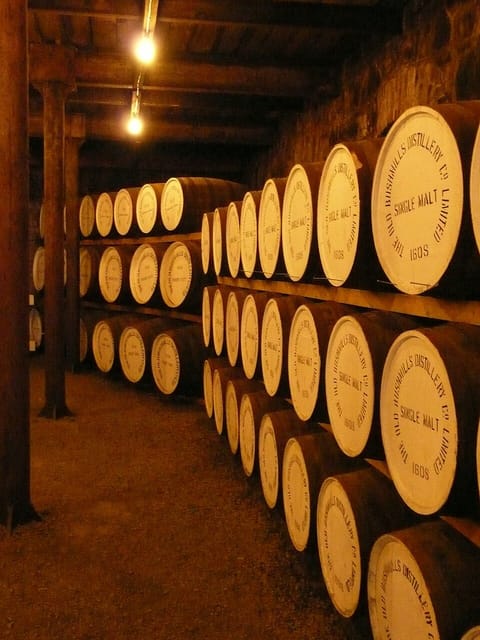

After the post-pandemic distillation boom sent filling schedules into overdrive, Scotch whisky majors are pulling back on production. With global exports softening—down to £5.3 billion as high trade tariffs, domestic tax pressures, and destocking cycles hit key mature markets like the US and Western Europe—major producers are actively managing inventory to prevent oversupply.
Yet, as primary producers dial down filling weeks, a curious divergence is taking shape across the secondary market: cask valuations for tier-1 distilleries are finding a firm floor, while speculative new-make spirits face a sharp pricing reality check.
The Big Shift: Volume Retrenchment
Between 2021 and 2023, record-breaking demand pushed distilleries across Speyside, Islay, and the Highlands to operate at maximum capacity. However, the reality of 2026 has forced an industry-wide recalculation.
Facing elevated warehousing costs, higher borrowing rates, and slower inventory turnover across international retail channels, brand owners are prioritizing balance-sheet discipline over sheer volume.
- Shifted Shifts: Multiple major sites have scaled back filling weeks or lengthened scheduled summer maintenance shutdowns to align new-make production with realistic 10-to-15-year demand projections.
- Third-Party Cask Restrictions: Major distillers are significantly tightening direct-to-broker cask sales. Unbranded new-make spirits previously sold off to third-party brokers are being curbed to protect future official bottlings and protect brand equity.
Cask Valuations: A Bifurcated Secondary Market
The production reset is reshaping secondary cask valuations, drawing a clear line between commercial-grade inventory and institutional-grade assets.
While the speculative frenzy that drove up prices for unproven young spirits has cooled, mature casks and blue-chip names are gaining renewed support as future supply constraints become apparent.
+---------------------------------------------------------------------------------------------------+
|                            2026 CASK VALUATION & LIQUIDITY MATRIX                                 |
+-------------------+----------------------------+--------------------------------------------------+
| Cask Category     | Valuation Trend            | Secondary Market Liquidity & Demand Drivers      |
+-------------------+----------------------------+--------------------------------------------------+
| Blue-Chip Aged    | Stable to Moderate Growth  | High demand from independent bottlers & private  |
| (15+ Years)       | (+5% to +8% YoY)           | collectors; acute scarcity of aged stock.  |
+-------------------+----------------------------+--------------------------------------------------+
| Mid-Tier Maturing | Selective Re-pricing       | Values tied strictly to clear provenance, WOWGR  |
| (8–12 Years)      | (Flat to +3% YoY)          | paperwork, and regauge records.               |
+-------------------+----------------------------+--------------------------------------------------+
| Unbranded / Young | Downward Correction        | Heavy discount vs. 2022 peak pricing; buyers    |
| (0–3 Years)       | (-10% to -20% YoY)         | demanding commercial exit routes.               |
+-------------------+----------------------------+--------------------------------------------------+
The Flight to Provenance and Exit Security
As a result of this market recalibration, the secondary cask market is maturing. Both private allocators and independent bottlers are shifting their focus from paper valuations to verified liquidity and legal clarity.
- Paperwork is King: A cask's valuation is now intrinsically tied to its chain of custody. Proper Delivery Orders (DO), verified regauge reports, and storage within reputable, WOWGR-compliant bonded warehouses command significant market premiums over undocumented holdings.
- The 12-Year Sweet Spot: Demand from independent bottlers is heavily concentrated around recognized commercial age statement milestones (10, 12, and 15 years). Casks hitting these age brackets are finding ready exit channels, as independent brands seek high-quality liquid to fill gaps left by reduced distillery allocations.
The Strategic Takeaway
The current production slowdown among major Scotch distillers is not a sign of structural decline, but a necessary correction after years of aggressive expansion. By curtailing new-make output today, major producers are laying the groundwork for a more stable, supply-constrained market in the decade ahead.
For cask holders, the playbook for the rest of 2026 is clear: quality, verified documentation, and tier-1 distillery names will continue to outperform speculative volume every time.