The Scotch Whisky Association wants the Chancellor to cut spirits duty in next month's Budget, and Scotland's First Minister has now backed the campaign, a fight Asia's cask investors should be watching too.
TL;DR
- Scotland's First Minister John Swinney has publicly backed the Scotch Whisky Association's call for a cut to UK spirits duty in the Autumn Budget, expected in October 2026.
- The SWA says UK spirits duty has risen 17% in three years while Treasury revenue has fallen, and argues a cut would free producers to invest as export access improves in the US, India and China.
- For Asia's whisky buyers and cask investors, the outcome shapes producer confidence and future supply, even though the duty itself applies to UK retail sales rather than casks held for export.
What is the Scotch Whisky Association asking for?
The Scotch Whisky Association (SWA), the trade body for Scotland's whisky industry, submitted its Autumn Budget proposal to HM Treasury on 9 September 2026, urging Chancellor John Healey to cut excise duty on spirits. SWA Chief Executive Mark Kent put it plainly: cut duty, raise revenue, boost the nation. The submission lands ahead of the UK's Autumn Budget, which both the SWA and UK Government have referred to as landing next month.
Why has Scotland's First Minister stepped in?
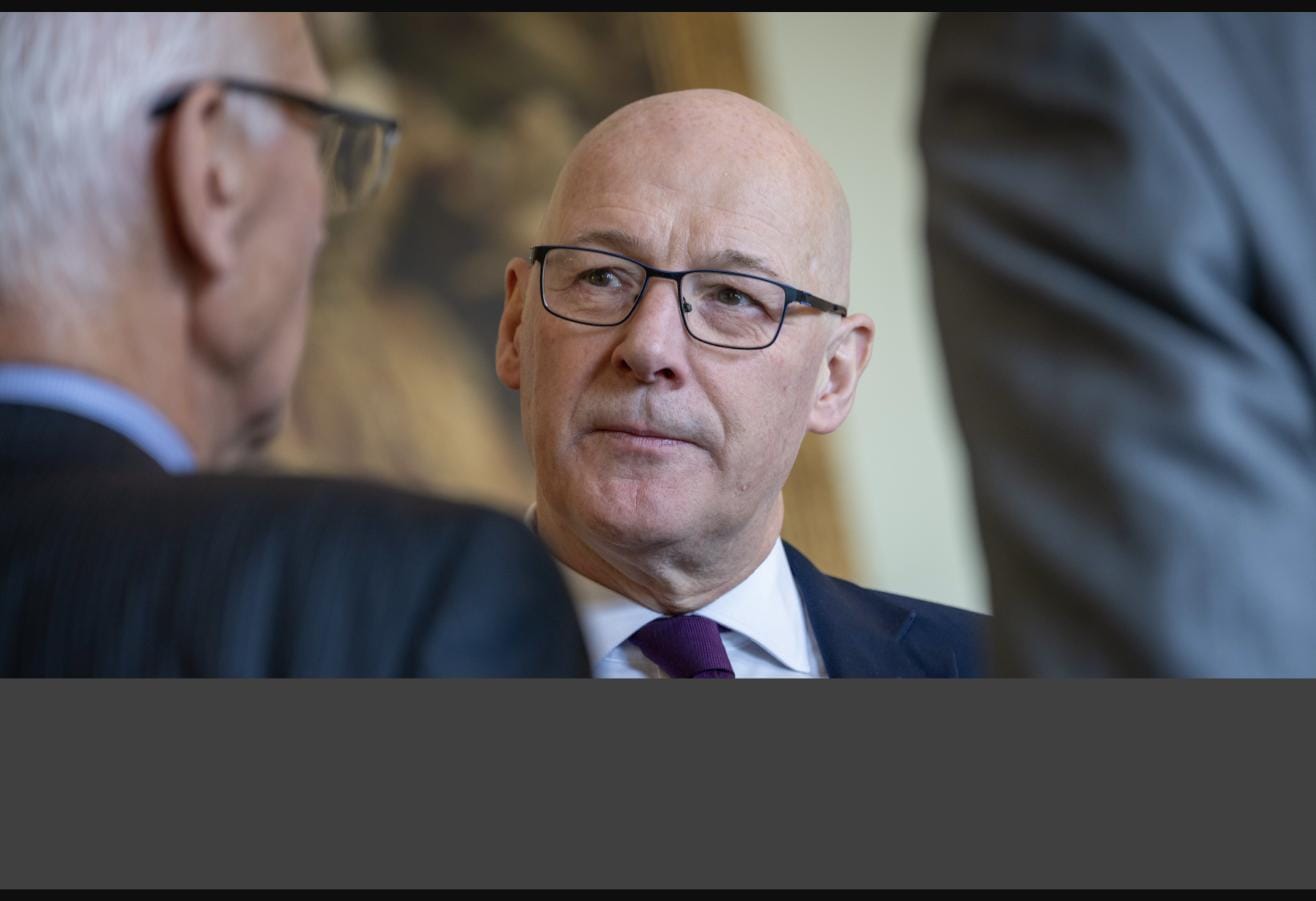
Two days later, on 11 September, First Minister John Swinney met the SWA's Council of member companies and publicly echoed the call, saying duty rises have placed undue pressure on the industry and that the UK Government should address this unfairness. The SWA says roughly 70% of UK spirits production happens in Scotland, and that spirits sales account for 38% of total profits at hospitality venues, meaning the tax reaches beyond distilleries into farming and pub trade supply chains.
How much has duty risen, and has it worked?
Spirits duty has climbed 17% over the past three years, according to the SWA. Rather than raising money, the association says the increases have coincided with falling Treasury income: spirits duty revenue dropped £94 million in 2025/26 and now sits £1.1 billion below what was forecast when the current alcohol duty system launched in 2023. The SWA calls the setup a broken model for Scotland, arguing spirits are taxed up to four times more heavily than beer, cider or wine.
Why does this matter for whisky buyers and investors in Asia?
UK excise duty applies to spirits sold in the domestic UK market, not to casks held in bond for export or investment, so it does not directly change the price of a cask bought by an APAC investor. But the SWA's submission links domestic tax relief to something that does matter to the region: producer confidence to invest in production as access improves to key export markets, explicitly naming the US, India and China. A domestic duty cut, the industry argues, gives distillers breathing room to invest in innovation and expansion, capacity that ultimately feeds export markets including Asia's growing base of whisky drinkers and cask buyers. For context on how distillers are already managing output and valuations, see Whisky Bulletin's earlier report: whiskybulletin.com/production-resets-vs-cask-valuations-how-major-distillers-are-managing-output-in-2026/
What happens next?
The UK's Autumn Budget is expected in October 2026, though HM Treasury had not published an exact date at the time of writing. Until then, the SWA's ask, Treasury's own review of the alcohol duty reforms launched in April 2026, and the political backing from Holyrood all sit as open questions for the Budget to resolve.
Why this matters
For readers assessing Scotch exposure, this is a policy signal rather than a price signal for now. It is worth tracking as one input into distillery investment confidence and, by extension, longer-run cask supply and export pricing dynamics, alongside the wider alternative-asset context our sister site Alt Asset Asia covers for the region: altassetasia.com
Frequently Asked Questions
When is the UK Autumn Budget 2026?
HM Treasury had not formally dated it as of publication, but the Scotch Whisky Association and UK Government both referred to it as landing next month in statements made on 9 and 11 September 2026, pointing to October 2026.
How much has UK spirits duty risen, and by how much has revenue fallen?
The SWA says duty rose 17% over the past three years, while spirits duty revenue fell £94 million in 2025/26 and is £1.1 billion below the level forecast when the current alcohol duty system began in 2023.
Does this affect the price of whisky casks bought by investors in Asia?
Not directly. UK excise duty is charged on spirits sold in the domestic UK market, not on casks maturing in bond for later sale or export. The link to APAC buyers is indirect, through producer investment confidence and future supply.
Sources and method
This article is based on Scotch Whisky Association press releases dated 9 and 11 September 2026 and its 21 April 2026 joint statement on HMRC spirits duty revenue, all published at scotch-whisky.org.uk/newsroom, cross-checked against independent reporting from The Highland Times published 12 September 2026. Figures not independently verifiable beyond the SWA's own statements are attributed to the SWA throughout. This article is for information only and is not investment, tax or financial advice.