More than 80 containers of bulk Scotch whisky belonging to Pernod Ricard and Diageo are reportedly being held at Indian ports while tax investigators insist on the old 150% import duty, testing whether the UK-India trade deal's headline whisky tariff cut works in practice.
TL;DR
- Reuters reported that Pernod Ricard and Diageo each have more than 40 containers of bulk Scotch awaiting clearance in India, and Bacardi has five, because the Directorate of Revenue Intelligence (DRI) wants 150% duty instead of the 75% trade-deal rate.
- India's commerce and finance ministries met on 11 November to try to settle the classification question, according to ANI. No official ruling or timetable has been published.
- Bulk shipments are about 80% of the Scotch India imports from Britain by volume, so the outcome shapes Scotch supply costs across India's whisky trade.
What is happening at Indian ports?
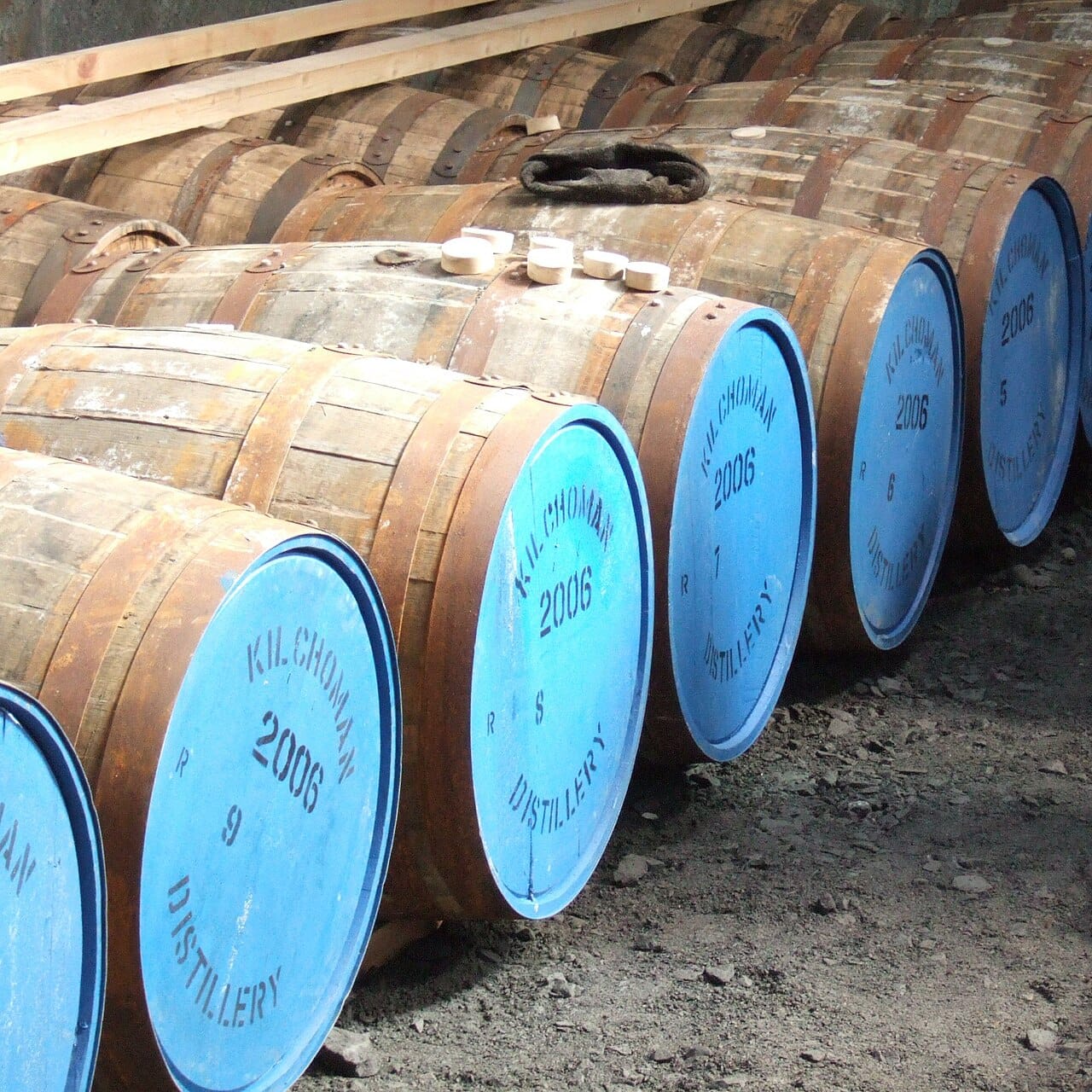
The UK-India Comprehensive Economic and Trade Agreement took effect on 15 July 2026. It cut India's import duty on eligible Scotch from 150% to 75% straight away, with a path down to 40% over ten years. Bulk Scotch is whisky shipped in large containers rather than bottles, mostly for blending and bottling into Indian-Made Foreign Liquor (IMFL) brands.
According to Reuters, as reported by Outlook India on 12 November, more than 40 containers belonging to Pernod Ricard and more than 40 belonging to Diageo are now waiting for clearance, with five more on hold for Bacardi. The companies are reported to be refusing to pay the 150% rate. The ports holding the shipments have not been named.
This is the latest turn in a dispute Whisky Bulletin first covered in October, and it follows reports on 5 November that New Delhi had assured industry bulk Scotch would get the 75% rate. The containers show that assurance has not yet reached customs officers.
Why does the DRI say bulk Scotch should pay 150%?
The DRI is India's customs intelligence agency. A confidential DRI memo dated 4 November, reviewed by Reuters, told customs commissioners to keep applying the 150% duty. It argues that the bulk imports are not finished whisky but concentrates or "compound alcoholic preparations" needing further manufacturing, a reading it says has applied since 1 May.
ANI reported that the DRI points to strength: it says the bulk spirit arrives at 62% to 66% alcohol, against 42% to 46% for finished Scotch, and that the two fall under different tariff codes. The Scotch Whisky Association (SWA), the industry's trade body, has told a UK parliamentary committee that the code used for most bulk exports, HS 22089099, was not liberalised to the same extent as the Scotch-specific lines, according to Outlook India.
Which companies are affected?
ANI, citing people familiar with the matter, said customs have held stock belonging to Pernod Ricard India, Diageo, Radico Khaitan and Allied Blenders and Distillers. Five industry sources told ANI the Revenue Department review is not a new tariff increase and does not establish any violation. Tax officials have also searched several liquor companies' offices, Outlook reported.
What has the government said?
A government source told Reuters that bulk Scotch imports "are indeed part of concessions under the trade deal." ANI said officials are hopeful the matter "may be resolved soon" after the 11 November ministries meeting. The International Spirits and Wine Association of India (ISWAI) warned the dispute risks undermining an important market-access benefit. A UK government spokesperson said London is working with India to resolve it. Neither the Commerce Ministry nor the DRI responded to Reuters' requests for comment.
Why it matters for Asian whisky buyers and cask investors
India is the biggest prize in Scotch's Asian growth story. Scotch exports to India were worth US$335 million in 2024, and the SWA projects the trade deal could add US$1.34 billion over five years. Those projections assume bulk Scotch gets the lower duty. For APAC investors watching listed producers, Diageo's recent Asia-Pacific sales update shows how much the region already counts. For cask owners, demand for young bulk spirit from Indian blenders is one source of trading liquidity for new-make and younger casks.
Two practical checks follow. First, whether any clearance is backdated to 15 July or applied only going forward. Second, whether India issues a formal notification naming the tariff lines, since that is what customs officers actually apply. The industry cooperation pact signed in October by the Indian Malt Whisky Association and the SWA did not address classification.
What is not confirmed?
The exact container count is reported by Reuters and has not been confirmed by the companies or the government. No ruling, notification or clearance date has been published, and the ports involved have not been named. Whether the DRI memo will be withdrawn is not known.
Frequently Asked Questions
What import duty does India charge on Scotch under the UK trade deal?
From 15 July 2026, the rate on eligible Scotch fell from 150% to 75%, with further cuts to 40% over ten years. The dispute is over whether bulk Scotch qualifies.
Why does bulk Scotch matter so much in India?
About 80% of the Scotch India imports from Britain by volume arrives in bulk and is bottled locally into IMFL blends, so its duty rate drives most of the trade's cost.
Does this affect whisky casks held by Asian investors?
Not directly. It affects the cost of Scotch entering India. Indirectly, a lasting 150% rate on bulk could soften Indian blenders' demand for young Scotch, one buyer group for younger casks. This is not investment advice.
Sources and Method
This article is based on Outlook India's 12 November report summarising Reuters reporting, including the 4 November DRI memo, and ANI's 12 November report via India Shipping News on the commerce and finance ministries meeting. Figures on export value and the SWA projection are as reported. We did not see the DRI memo directly. No company or ministry statement was available at the time of writing. Whisky Bulletin rewrote and checked this story against both reports; it is not financial advice.