Jack Daniel’s #017: the label says 135 proof, not 138.4
The public approval record for Jack Daniel’s High Angel’s Share Selection #017 shows 135 proof. A current review says 138.4. The responsible story is the gap between those two records, not a guess that makes them agree.
TL;DR
A public US label-approval record for Jack Daniel’s Distillery Series High Angel’s Share identifies Selection #017, released Summer 2026, as a 375 mL Tennessee whiskey at 135 proof (67.5% alc./vol.). A separate current review describes the same numbered release as 138.4 proof. No explanation reconciling the two figures appeared in the opened sources, so 138.4 should not be repeated as settled specification.
Begin with the document that carries the number
The useful starting point is not a tasting note or a retail listing. It is the public TTB label-approval record submitted by Jack Daniel Distillery. Its retained side-label attachment identifies Selection #017, says Released Summer 2026, gives a 375 mL size and prints 135 proof, or 67.5% alcohol by volume.
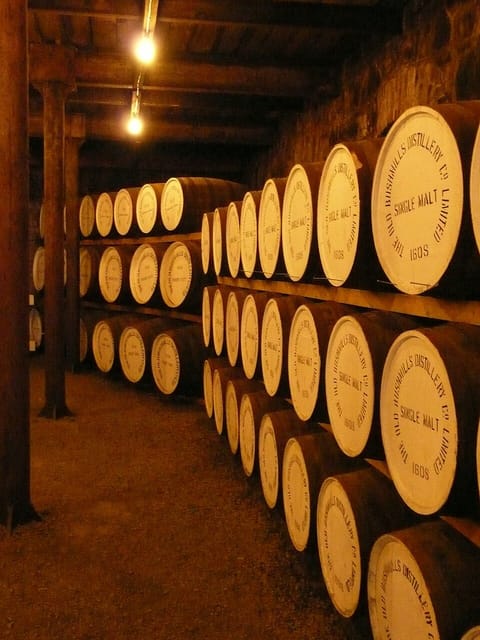
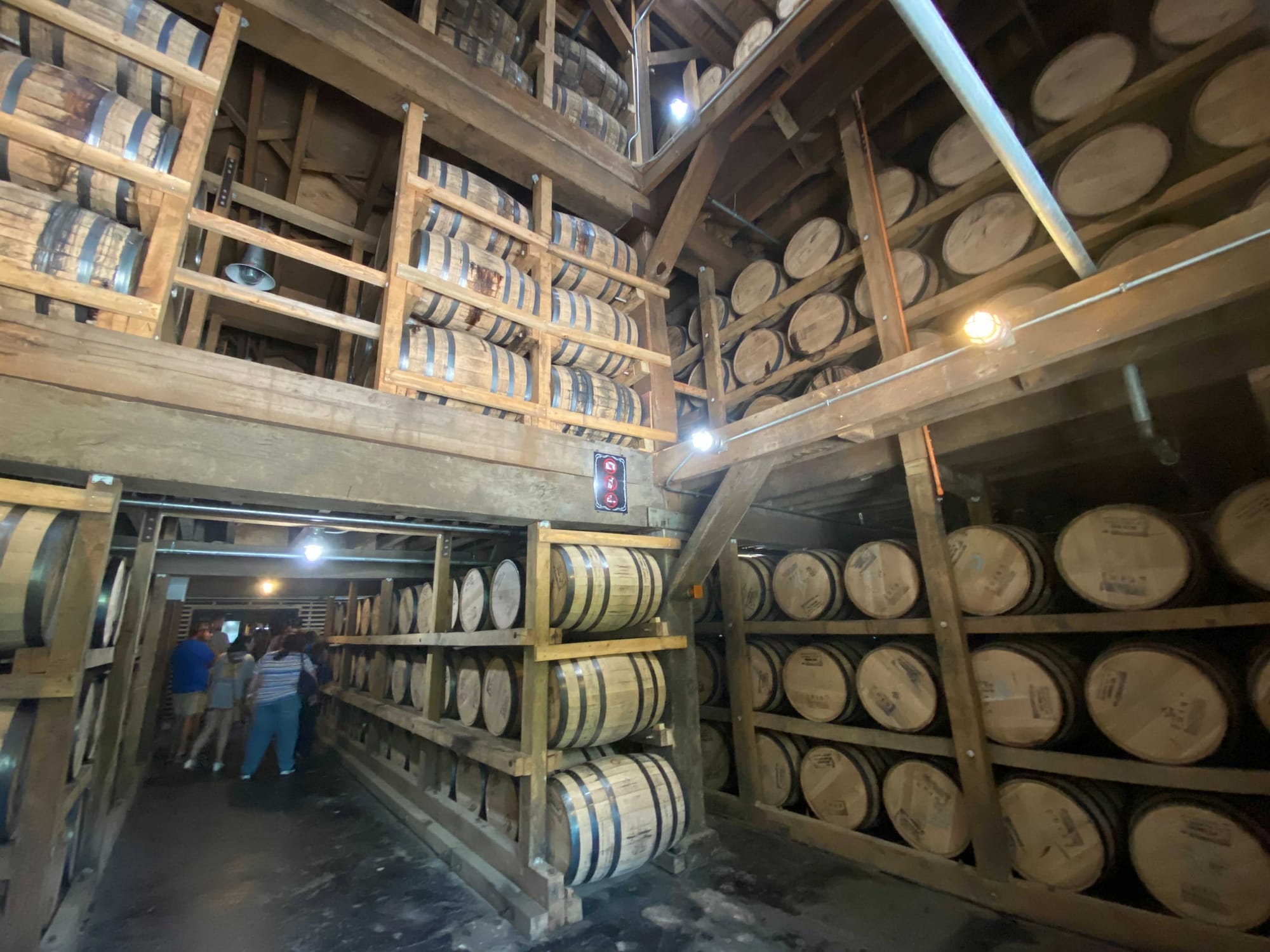
The front label names the expression High Angel’s Share Tennessee Whiskey. It says the whiskey was laid down in 2016 and rested atop Coy Hill, on the top floor of Barrelhouse 1-13. That is enough to identify the release and its stated maturation setting. It is not enough to calculate an evaporation percentage, a barrel count, an allocation or a universal flavour profile.
There is an important boundary here. A label-approval record is evidence of the label presented for approval; it is not a live shelf audit. It cannot establish a retailer’s stock, a current price, the number of bottles made or what an unopened bottle in another market says today. But when the question is which proof figure the retained label displays, the document is unusually direct: it displays 135.
Why 138.4 cannot simply be carried across
A separate current House Bourbon review identifies the release as Distillery Series 17 and describes it as 138.4 proof. That is a meaningful conflict with the 135-proof figure on the approved-label attachment. It may reflect an unlocated alternate record, an earlier reported batch number, a later change or a reporting error. The sources opened for this article do not establish which. Those possibilities are therefore possibilities, not explanations.
This is exactly the point at which a release note should slow down. Selection number, name and release window line up closely enough that the two figures should not be blended into a convenient range. Nor should a writer replace one number with the other without a dated producer clarification or a documented different SKU. The accurate formulation today is narrower: the opened label record says 135 proof; one current third-party review says 138.4 proof; the discrepancy remains unresolved in the material reviewed.
Proof is not a decorative detail. It affects how a reader identifies an expression and how they compare it with other high-strength Tennessee releases. It still does not, on its own, establish flavour quality, rarity, scarcity, secondary-market value or suitability for any reader. Those are separate questions requiring separate evidence.
There is real attention, but it is not demand data
The subject has a positive current audience signal. Bourbon Kingdom’s public video, “Jack Daniel Distillery Series #17 High Angel’s Share Review”, showed 3,400 views, 222 likes and 22 comments when captured on 18 August 2026. Its title is exact enough to show active interest in this particular release, rather than in Jack Daniel’s generally.
That metric should be read carefully. It is a count of engagement with a video, not verified sales, stock, search volume, retailer demand or a quality consensus. It is useful for deciding whether a source-led explainer has an audience; it is not a licence to make a commercial or investment claim.
There is also genuinely independent tasting coverage. ADHD Whiskey’s current review says it tastes, reviews and scores Jack Daniel’s Distillery Series High Angel’s Share. That corroborates that the named expression is circulating in current whisky coverage. It does not turn any reviewer’s score into a fact about every bottle.
The coverage gap is a records gap
The existing review coverage is doing a different job: announcing, tasting and discussing the release. Whisky Bulletin’s useful addition is the audit trail. The review that gives 138.4 proof does not resolve the conflict with the public 135-proof label. The answer is not to declare a winner from a distance; it is to preserve both records, say which one is an official label attachment, and mark the unanswered question clearly.
For readers checking a bottle, the practical order is straightforward:
- Match the name, Selection #017 and 375 mL format to the official label record.
- Read the proof printed on the physical bottle in front of you rather than importing a number from an unrelated listing or review.
- Ask a retailer for its own current price, tax, delivery and stock terms; none is established by the sources here.
- Treat any future producer clarification as new evidence, not as retroactive proof of what the current sources said.
Until such clarification appears, “135 proof on the public label record; 138.4 in one current review” is more informative—and more honest—than pretending the conflict has already been solved.
Frequently Asked Questions
What proof does the public label record show for Jack Daniel’s High Angel’s Share #017?
The retained side-label attachment in TTB record 26107001000531 identifies Selection #017 and displays 135 proof, or 67.5% alcohol by volume.
Why does some coverage say 138.4 proof?
The opened House Bourbon review states 138.4 proof. The opened sources do not provide a dated producer explanation, documented alternate SKU or other evidence that reconciles that statement with the 135-proof approved-label attachment.
Does the label record prove current availability or the number of bottles made?
No. It is a label record, not a live inventory, allocation, bottle-count or price feed. Check a retailer’s current terms and the physical bottle for those questions.
Does a high proof establish quality or future value?
No. Proof identifies strength. It does not establish a flavour verdict, scarcity, resale outcome, investment return or suitability for an individual drinker.
Sources: the public TTB approval record and its retained label attachments; ADHD Whiskey’s independent review; Bourbon Kingdom’s exact-topic review; and House Bourbon’s current review. Each was reopened and retained before this immutable batch was created.
Editorial boundary: This is a source-led labelling explainer, not a tasting verdict, sales alert, availability claim, financial promotion or prediction of collectability.