Greener Still puts barley first; its cask statement sets the frame
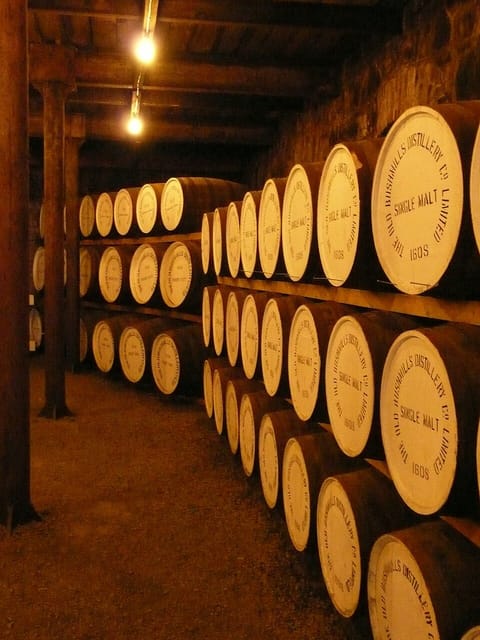
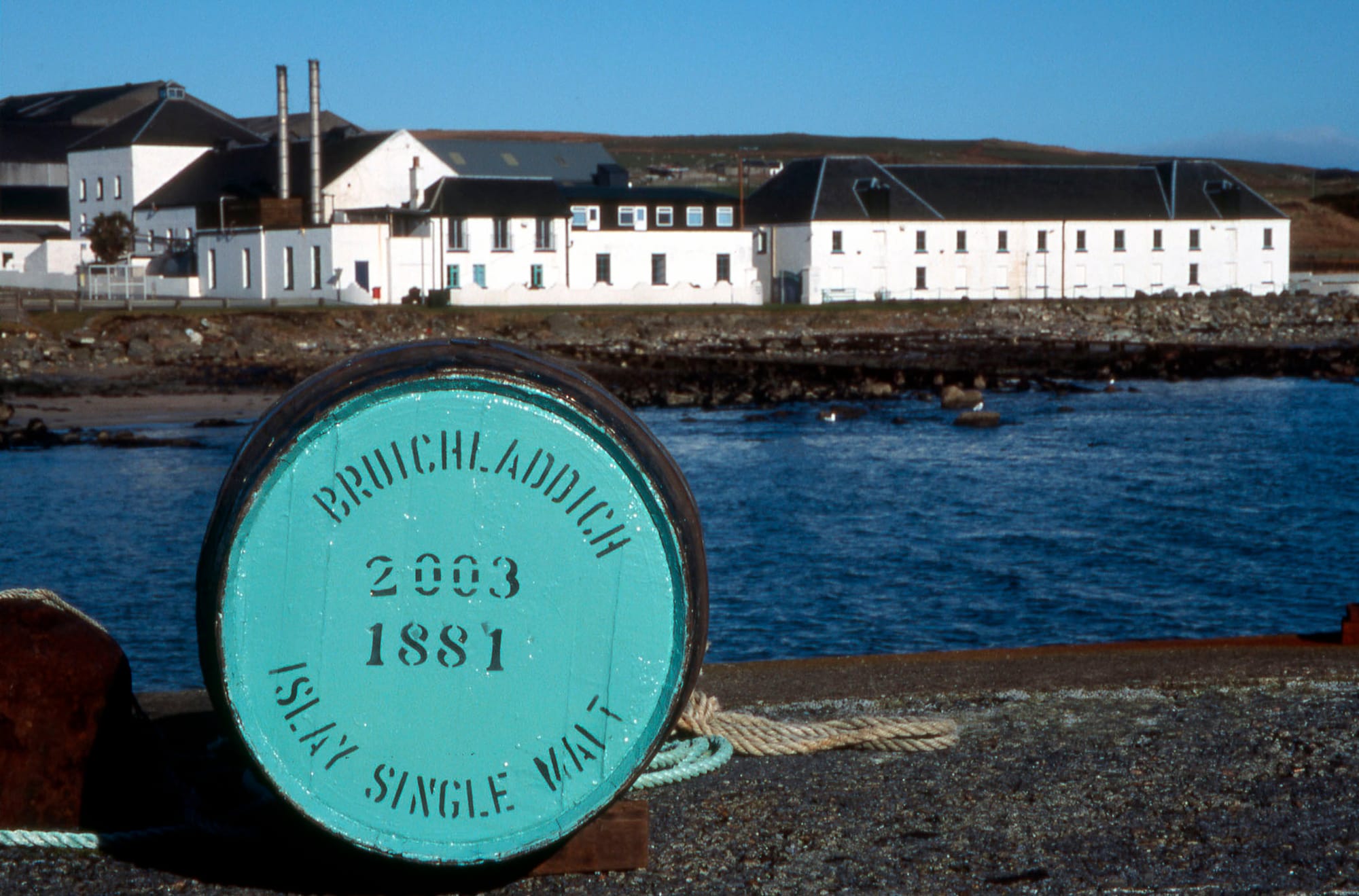
Bruichladdich’s 15-year-old Greener Still brings Organic, Biodynamic and Bere barley into one release. Its common maturation condition is equally clear: every stated year was spent in first-fill bourbon barrels on Islay.
TL;DR
TL;DR: Greener Still is an unpeated 15-year-old single malt, matured entirely in first-fill bourbon barrels on Islay and bottled at 51.6% ABV. The producer identifies Organic, Biodynamic and Bere barley sources. That makes this a provenance-led release with one stated common cask frame; ‘barley-forward’ is a producer description, not a laboratory measurement of each grain’s separate contribution.
Three origins, one stated cask frame
Bruichladdich’s live product page says Greener Still was distilled from a combination of Organic, Biodynamic and Bere barley. It identifies the Organic barley as coming from Mid Coul farms in Inverness; the Biodynamic barley from Yatesbury House Farm in Wiltshire; and the Bere from farms in Orkney. The page describes the Wiltshire farm as carbon-positive and calls the Biodynamic source the exception to its 100% Scottish-barley rule.
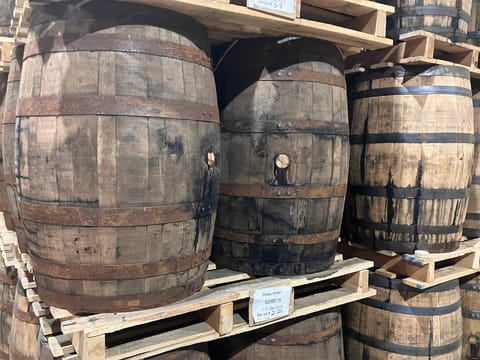
Those details make provenance part of the bottle’s identity. The release is also held together by a plainly stated maturation condition: Bruichladdich says it spent its entire 15-year life in first-fill bourbon barrels, resting at the distillery on Islay. The Luxe Review’s 12 August report independently records the same 15-year, first-fill-bourbon and 51.6% specification.
That is the useful organising fact. Greener Still combines three named agricultural sources, while its stated cask family stays constant. It is not a single-grain bottling, nor a three-cask comparison. The editorial question is how a distillery frames field provenance when the oak treatment is deliberately presented as the common background.
The cask frame is clear
The cask statement supports a straightforward classification: this is a 15-year-old unpeated Islay single malt with a single stated cask family. It does not prove a fixed cask count, a parcel-by-parcel cask route, a bottling outturn, or a laboratory measure of the flavour contribution from each grain. Those are different records from a release specification.
Bruichladdich says the barley parcels bring texture, spice, fruit and malt character, while bourbon frames the result without overpowering it. Read that as a producer’s description of intent. It explains why the release puts the field ahead of a wine or sherry finish; it is not a published sensory experiment that can isolate one grain’s effect in the glass.
A sustainability claim needs its own unit
Soif places the bottle within Bruichladdich’s wider environmental narrative, including regenerative agriculture, alternative fuels and B Corp certification. That is useful context for why Greener Still foregrounds the field. It is not a bottle-specific impact assessment. The opened sources do not provide a lifecycle footprint, emissions total, farming-input ledger or comparison against another release.
That does not invalidate the provenance story. It simply keeps the unit of evidence honest. A farm described as carbon-positive is a claim about that farm; it is not a published carbon result for every bottle of Greener Still. The named origins and common cask frame are meaningful facts. They are not a licence to invent an environmental score.
The attention signal is real, but small
A public Whisky.de forum thread gives this release a current exact-topic attention signal. The opening post at 10:26 on 11 August proposed sharing a 70cl bottle. At 13:22, the thread listed nine named portions totalling 70cl and recorded “Rest: 0cl”. That is a complete voluntary sample split in 176 minutes.
It is also a deliberately modest metric. It does not establish producer sales, unique purchasers, inventory, retailer availability, sell-through speed or the size of the wider market. It shows that a small public whisky community allocated one bottle’s worth of samples quickly enough to make the product a timely reader question, not that the release carries a measured commercial demand rate.
Competitor coverage has understandably focused on the appealing headline: a 25th-anniversary bottle that moves the Still Series from cask experiments to agricultural provenance. Whisky Bulletin’s gap is narrower and practical. Treat the named farms, shared maturation statement and sustainability language as separate kinds of evidence: origin, release specification and wider context. That avoids turning a provenance-led release into an unreported flavour experiment or a bottle-level impact score.
Frequently Asked Questions
Which barleys are named for Bruichladdich Greener Still?
The producer names Organic barley from Mid Coul farms in Inverness, Biodynamic barley from Yatesbury House Farm in Wiltshire, and Bere barley from Orkney. It presents the whisky as a combination of those three sources.
What cask maturation does Greener Still state?
The producer says the unpeated 15-year-old spent its entire maturation in first-fill bourbon barrels on Islay and was bottled at 51.6% ABV. The Luxe Review independently records the same basic specification.
Does ‘barley-forward’ identify each grain’s separate flavour contribution?
No. The producer says the parcels bring different character, but the opened sources do not provide a laboratory flavour analysis or a parcel-by-parcel cask record. The phrase should be read as release positioning, not a measurement.
Does the public forum sample split prove commercial demand?
No. It records a small voluntary peer sample split: 70cl was allocated across nine listed portions with zero remainder. It is a timely attention signal, not audited sales, stock, conversion or market-wide demand data.
Sources and method: Bruichladdich’s live product record is the originating source. The Luxe Review provides independent corroboration, while Soif provides substantive competitor coverage. The public Whisky.de forum thread is retained as a narrow peer-interest metric, accessed through Jina Reader because the forum’s direct anti-bot response did not permit a reproducible command-line capture. The original forum URLs are recorded in the evidence manifest.
Editorial boundary: This is a source-led release-specification explainer. It is not a tasting score, stock alert, buying recommendation, investment case, resale forecast, laboratory flavour analysis or bottle-level sustainability assessment.