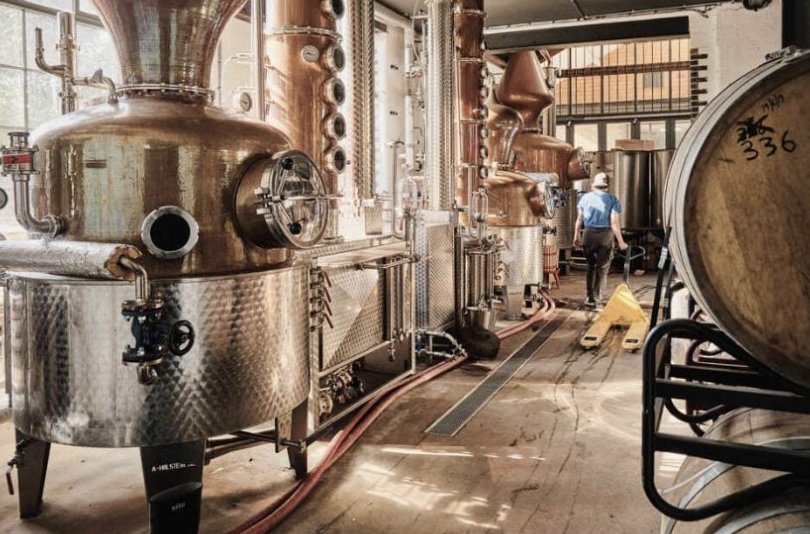
The UK government has granted English whisky the same legal protection as Scotch, but a dispute with the Scotch Whisky Association over the rules leaves its case as a serious cask investment still unproven.
TL;DR
- Defra confirmed on 11 September 2026 that "English Whisky" and "English Whiskey" are now protected Geographical Indication (GI) names, putting the category on equal legal footing with Scotch, Irish and Welsh whisky.
- The category has grown fast: more than 70 distilleries (up from 46 in 2023), exports to over 30 countries, and an estimated £1 billion of maturing stock in cask, but the Scotch Whisky Association says the rules are too loose and blur the definition of "single malt."
- For APAC investors, GI status adds legitimacy but not liquidity: English whisky cask ownership stays unregulated, with no secondary market comparable to Scotch's.
What is English Whisky's new GI status, exactly?
Britain's Department for Environment, Food & Rural Affairs (Defra) confirmed on 11 September 2026 that "English Whisky" and "English Whiskey" are now protected names under the UK Spirit Drinks Geographical Indications (GI) Scheme. GI status is a legal designation, similar to Champagne for sparkling wine, that ties a product name to a specific place and production method and stops products made elsewhere from using it. English whisky now sits alongside Scotch, Single Malt Welsh Whisky and Irish Whiskey as a GI-protected category, meaning all four UK nations hold equivalent legal protection for their whisky. The application was led by the English Whisky Guild (EWG), the industry body representing English distillers, which entered public consultation on the proposal in February 2025.
How does it differ from Scotch's production rules?
The new GI sets real requirements: English whisky must be made from UK cereal grain and English water, distilled in England from wort created in England at less than 94.8% ABV, matured in England for at least three years in wooden casks of no more than 700 litres, and bottled at a minimum of 40% ABV. But it is looser than Scotch in two ways that matter to producers, and eventually to investors. Scotch single malt must be mashed, fermented and distilled at one Scottish distillery; English whisky only requires distillation to happen at a single site, so producers can buy in wort from an external maltster or brewery elsewhere in England. English whisky's GI also permits any wooden cask type, not just oak, and modern still designs, both barred under Scotch rules. The full product specification is due to be published on 1 October 2026 and was not yet available at the time of writing.
Why is the Scotch Whisky Association objecting?
The Scotch Whisky Association (SWA), the trade body for Scotch producers, opposed this flexibility during the 2025 consultation, calling it "very damaging" to the reputation of UK-made single malts. Its objection is that allowing outsourced fermentation while still using the term "single malt" blurs a definition Scotch has spent decades establishing internationally, and risks confusing consumers about what they are buying. The English Whisky Guild has defended the approach as rooted in the category's modern history; England's first modern whisky, laid down in 2003 by Hicks and Healey, used wort from St Austell Brewery. Not every English producer is satisfied either: Liam Hirt of Circumstance Distillery in Bristol has said he will appeal the GI, arguing it copies the Scotch model too closely rather than the more flexible approach taken by the Welsh whisky GI.
Does GI status make English whisky casks a serious investment?
Not on its own, and not yet. As Whisky Bulletin's own 2026 cask investment outlook (whiskybulletin.com/the-best-whisky-casks-for-investment-our-expert-outlook-for-2026/) has noted, Scotch remains the benchmark for serious cask investment because of its long track record, global brand recognition and an established, if still informal, resale market. English whisky now has the legal recognition industry figures point to as a foundation for that kind of credibility, and Defra's release cites industry estimates that maturing stock held in casks across England is already worth around £1 billion. But GI status is a naming protection, not a market. There is no comparable secondary market data for English whisky casks yet, no verified track record of resale prices, and the full production specification will not even be public until 1 October 2026. What is not confirmed is whether brokers, auction houses or investors will treat GI-protected English whisky the way they treat Scotch.
Why this matters for APAC investors
Asian buyers who have treated Scotch as the reference asset, as covered in Whisky Bulletin's guide to investing in Scotch (whiskybulletin.com/investing-in-scottish-whisky-which-distilleries-offer-the-best-returns/), now have a second GI-protected UK whisky category to watch. That is worth tracking, not yet acting on. It is also a reminder that cask ownership of any UK whisky, English or Scotch, remains outside Financial Conduct Authority regulation; Whisky Bulletin has previously reported on the Advertising Standards Authority's rulings against cask investment firms over inadequate risk warnings (whiskybulletin.com/asa-rules-against-whisky-cask-investment-firm-capgroup-int/). This article is not financial advice, and buyers should treat any forecast about English whisky cask returns as unproven until a real resale market develops.
Frequently Asked Questions
What is a Geographical Indication and why does it matter for whisky?
A GI is a legal status that ties a product name to a specific place and production method, similar to Champagne for sparkling wine. For spirits, it stops products made elsewhere from using the protected name and gives producers a legal basis to defend it, which can support consumer trust and export marketing.
Can English whisky now be labelled "single malt" like Scotch?
Yes, but under looser production rules. Distilleries can source wort from an external maltster or brewery elsewhere in England, provided distillation happens at a single site, whereas Scotch single malt must be mashed, fermented and distilled at one Scottish distillery.
Is buying an English whisky cask a regulated investment?
No. Like Scotch cask ownership, English whisky casks sit outside UK Financial Conduct Authority regulation, meaning there is no statutory protection if a seller misrepresents value or a promised buyer or exit does not materialise.
Sources and Method
This article draws on the UK Department for Environment, Food & Rural Affairs' press release "English Whisky raises a glass to new protected status" (gov.uk, published 11 September 2026) and The Spirits Business report "English whisky secures GI" by Lauren Bowes (thespiritsbusiness.com, 14 September 2026), cross-checked against each other. Direct quotes are as published by these sources. The full GI product specification was not yet public at the time of writing and is due 1 October 2026. This is a news explainer, not investment advice; whisky cask ownership is an unregulated, illiquid asset class with no guaranteed exit.