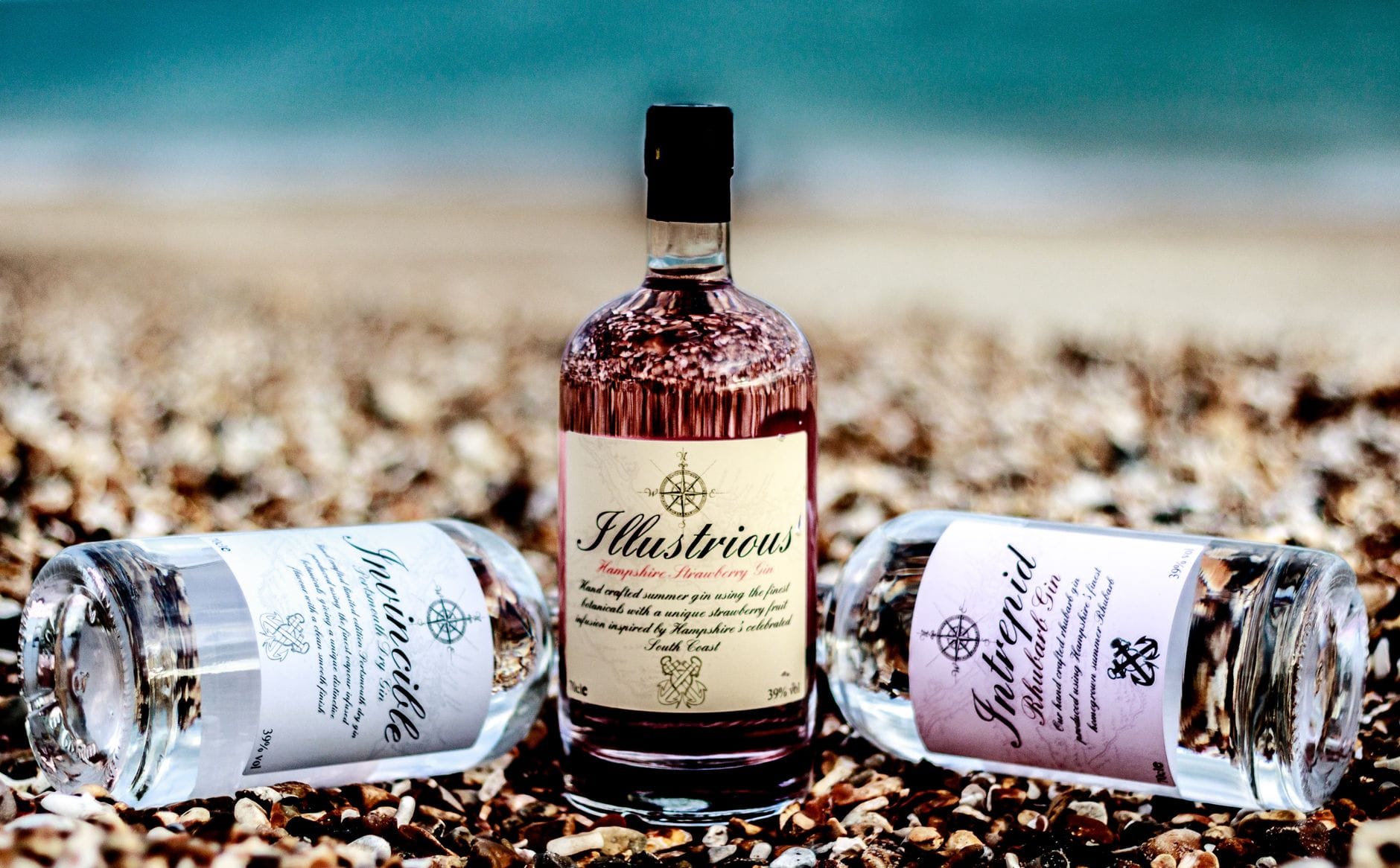
English heritage gins drive premiumisation across UK spirits. New releases signal distillery investment in botanicals and cask maturation. Trade implications extend to whisky cask demand and premiumisation strategy.
English Heritage Gin Renaissance Reshapes Premium Spirits Market
The English gin category is experiencing a measurable production and premiumisation surge, with heritage distilleries releasing cask-matured expressions and limited botanical editions that challenge traditional gin positioning. This shift matters to whisky investors and trade operators because it signals broader capital allocation within UK spirits production, cask demand, and retail shelf strategy. When gin distilleries invest in long-term maturation programs and rare cask partnerships, they compete directly with whisky for premium oak inventory and consumer wallet share in the £40+ price bracket.
Over the past 18 months, English gin producers have launched more than 12 heritage-focused releases featuring ex-bourbon, sherry, and wine cask finishes, alongside small-batch botanical innovations. This represents a deliberate shift away from commodity gin toward aged spirits positioning, mirroring the playbook that built Scotch whisky's cask-matured premium tier. The Drunken Crane cocktail—a modern riff on the classic Martini—exemplifies how bartenders and distilleries are collaborating to anchor gin's premiumisation narrative through craft cocktail visibility and hospitality partnerships.
Trade readers should monitor this trend because gin's cask maturation programs now compete for the same ex-bourbon and sherry cask pools that Scotch, Irish, and bourbon producers rely on. When gin distilleries commit to 3–5 year maturation cycles in premium oak, they reduce available inventory for whisky bottlers, particularly in the independent bottling and single-cask segments where cask sourcing already faces supply pressure.
What Drives the English Heritage Gin Trend?
Three structural forces explain the English gin category's shift toward heritage positioning and cask maturation. First, the UK craft spirits boom of 2015–2020 created 40+ new gin distilleries, saturating the entry-level and mid-market segments. Producers now face margin pressure and retail consolidation, forcing a move upmarket toward aged, limited-edition, and heritage-narrative products. Second, consumer premiumisation in spirits—documented by spirits sector pressure reports—has lifted average retail price points across gin, vodka, and rum categories, rewarding distilleries that invest in product differentiation and storytelling.
Third, the success of aged gin in Scandinavia, Germany, and Australia has proven international demand for cask-matured gin expressions. English distilleries, leveraging heritage branding and terroir narratives, are now competing with Scottish gin and Irish gin on cask provenance and age statements. This competitive dynamic has accelerated investment in ex-bourbon and sherry oak, pulling cask allocation away from traditional whisky bottlers. Distilleries are also experimenting with wine cask finishes—Moscatel, Maury, and Sauternes—following the successful model pioneered by Islay whisky producers using French wine casks.
The Drunken Crane cocktail represents a parallel trend: bartender-led innovation and premiumisation. Rather than commodity gin in a basic Martini, the Drunken Crane uses heritage gin expressions, premium vermouth, and bitters to command £18–24 per serve in London and regional hospitality venues. This drives on-premise velocity and brand prestige, justifying the higher production costs and cask investment required by heritage-focused distilleries.
New English Heritage Gin Releases and Production Specifications
Recent English gin launches include cask-matured, limited-edition, and botanical-forward expressions that signal distillery strategy and capital allocation. Here are key releases to monitor:
- Heritage Cask-Matured Expressions: 3–5 year ex-bourbon and sherry cask finishes, typically bottled at 45–48% ABV, released in 500–2,000 bottle runs. Average retail: £55–85.
- Wine Cask Finishes: Moscatel, Maury, and fortified wine cask maturations, 6–12 month secondary maturation, 44–46% ABV. Average retail: £65–95.
- Limited Botanical Editions: Single-harvest, small-batch botanical recipes featuring rare botanicals (cardamom, saffron, heritage herbs), non-age-statement, 42–44% ABV. Average retail: £50–70.
- Heritage Blends: Multi-vintage, multi-cask expressions blended by master distillers, 46% ABV minimum, 1,000–3,000 bottle runs. Average retail: £75–110.
Production volumes for heritage gin releases remain modest—typically 500–5,000 bottles per expression—compared to commodity gin (50,000–500,000 bottles annually). However, the shift in cask allocation is material: a single distillery launching 4–6 heritage expressions annually will consume 40–80 ex-bourbon and sherry casks that might otherwise supply whisky bottlers. When multiplied across 15–20 English distilleries pursuing similar strategies, the aggregate cask demand becomes significant.
English heritage gin distilleries now consume an estimated 200–300 premium casks annually, equivalent to 3–5% of UK independent bottler cask sourcing. This competes directly with Scotch whisky producers for ex-bourbon and sherry oak inventory.
The Drunken Crane Cocktail and Hospitality-Led Premiumisation
The Drunken Crane is a modern gin-forward cocktail that exemplifies how bartenders and distilleries collaborate to anchor premiumisation. The recipe typically features heritage gin (45%+ ABV), premium dry vermouth, a dash of bitters, and a citrus or herbal garnish, served in a coupe glass. The name references Asian art and heritage craft, aligning with the storytelling that drives premiumisation in spirits marketing.
From a trade perspective, the Drunken Crane signals how gin distilleries are using on-premise partnerships to drive brand prestige and justify premium pricing. When a bartender features a heritage gin in a signature cocktail, the distillery gains credibility, velocity, and consumer education—all drivers of retail margin and cask investment ROI. This mirrors the strategy used by Scotch whisky producers to build premiumisation through hospitality partnerships and craft cocktail visibility. Bartenders become brand ambassadors, and signature cocktails become marketing assets that justify £70+ retail positioning.
The cocktail also demonstrates cross-category premiumisation: heritage gin at £65–85 retail, paired with premium vermouth at £20–30, creates a £15–24 per-serve cost base that venues can mark up to £22–30, sustaining margin and brand prestige. This playbook is now being adopted by English distilleries seeking to compete with Scotch and Irish whisky in the premium on-premise channel.
Cask Market Implications for Whisky Investors
The English heritage gin trend has three direct implications for whisky cask sourcing, independent bottling, and secondary market pricing. First, gin distilleries' increased demand for ex-bourbon casks will tighten availability and raise cask pricing for whisky bottlers. Independent bottlers already face 15–25% higher cask acquisition costs compared to 2019; further gin demand will compress margins for single-cask releases and small-batch bottlings.
Second, the premiumisation of gin creates retail shelf competition in the £50–100 price bracket, historically dominated by entry-level single-malt Scotch and premium bourbon. When heritage gin commands £65–95 retail with lower production costs and faster turnover than aged whisky, retailers may reduce Scotch shelf space to maximize margin per square foot. This particularly affects independent bottlers and distillery-owned small-batch releases that lack major distributor support.
Third, gin's success in cask-matured and wine-cask-finished expressions validates the consumer demand for aged, complex spirits beyond whisky. This may accelerate investment in aged rum, aged vodka, and other categories seeking premiumisation through cask maturation. The net effect: broader competition for premium oak, higher cask costs, and pressure on whisky bottlers to justify cask investment through stronger brand positioning and storytelling—similar to broader English heritage spirits strategy.
Why Whisky Trade Readers Should Monitor This Trend
The English heritage gin renaissance is not a distraction from whisky market fundamentals; it is a direct signal of how UK spirits producers are allocating capital, casks, and retail shelf space in response to consumer premiumisation and margin pressure. When gin distilleries invest in cask-matured expressions and heritage positioning, they are competing with whisky for the same resources: premium oak, retail shelf, consumer wallet share, and bartender attention.
Whisky investors and cask holders should track English gin distillery announcements, cask sourcing partnerships, and new release timing as leading indicators of cask market tightness and premium oak pricing. If heritage gin demand continues to accelerate, expect ex-bourbon and sherry cask prices to rise 10–20% annually, reducing independent bottler margins and increasing the cost of entry-level single-cask bottling programs.
Additionally, the Drunken Crane and similar craft cocktail collaborations demonstrate how bartender partnerships drive premiumisation. Whisky distilleries should similarly invest in on-premise brand building and signature cocktail visibility to compete with gin's hospitality-led strategy. This is particularly important for smaller distilleries and independent bottlers seeking to justify premium cask investment through retail and on-premise margin expansion.
Key Dates and Market Watch
Monitor English gin distillery announcements for new heritage releases, cask sourcing partnerships, and production volume targets through Q2 2025. Track cask broker reports and secondary market pricing for ex-bourbon and sherry oak to assess supply tightness. Watch for major retailers' shelf resets in spring 2025—gin's shelf space allocation relative to Scotch and bourbon will signal whether the heritage gin trend is sustaining retail momentum or consolidating into niche positioning.
Additionally, follow hospitality trade publications and bartender award programs for gin-forward cocktail trends and distillery partnership announcements. If major London and regional venues continue to feature heritage gin in signature cocktails, expect on-premise velocity to sustain cask investment and premiumisation strategies across English distilleries. This will keep cask market pressure elevated and may accelerate broader spirits sector consolidation as smaller whisky bottlers face margin compression from higher cask costs.
Frequently Asked Questions
Why are English gin distilleries investing in cask maturation?
Cask maturation differentiates gin in the premium segment, justifies higher retail pricing (£65–95 versus £30–45 for commodity gin), and creates heritage narratives that appeal to collectors and hospitality venues. This mirrors successful Scotch whisky positioning and allows distilleries to compete in margin-rich segments where consumer demand for premiumisation is strongest.
How does heritage gin compete with whisky for cask inventory?
English gin distilleries now source ex-bourbon and sherry casks directly, consuming an estimated 200–300 premium casks annually. This reduces available inventory for whisky bottlers, particularly independent bottlers and single-cask programs that rely on secondary cask sourcing. Higher gin demand correlates with rising cask acquisition costs for whisky producers.
What is the Drunken Crane cocktail?
The Drunken Crane is a modern gin-forward cocktail featuring heritage gin, premium dry vermouth, bitters, and citrus or herbal garnish. It exemplifies how distilleries use bartender partnerships and signature cocktails to drive premiumisation, brand prestige, and on-premise velocity—a strategy that whisky producers should replicate.
What does this trend mean for whisky cask investors?
Rising gin demand for premium casks will increase acquisition costs, compress margins for independent bottlings, and heighten competition for retail shelf space in the £50–100 price bracket. Investors should monitor cask broker pricing and English distillery announcements as leading indicators of market tightness and future margin pressure.
Will heritage gin demand sustain beyond 2025?
If consumer premiumisation continues and bartender partnerships expand, heritage gin positioning should sustain through 2026–2027. However, retail consolidation and margin pressure may force smaller distilleries to consolidate or exit cask-matured programs, reducing aggregate cask demand and moderating pricing pressure on whisky bottlers by late 2025 or early 2026.
🥃 Considering whisky casks as an investment? Speak to the Whisky Cask Club team — Singapore-based specialists working with collectors and investors across Asia.