Ardbeg Wee Beastie, a 5-year-old Islay single malt bottled at 47.4% ABV, delivers bold peat smoke and maritime notes despite its youth. Trade implications: strong entry-level positioning challenges premium age statements.
Ardbeg Wee Beastie: A 5-Year Peat Punch That Rewrites Entry-Level Expectations
Ardbeg has released Wee Beastie, a 5-year-old Islay single malt bottled at 47.4% ABV, and it arrives with a deliberate challenge to the whisky trade's assumptions about age and intensity. The spirit delivers concentrated peat smoke, iodine, and maritime salinity that would typically require a decade or more of maturation, yet the distillery—owned by Glenmorangie Company, part of the LVMH luxury goods empire—has engineered a bottling that punches well above its age statement. This is not a gimmick; it is a calculated market move that speaks directly to how independent distilleries and major producers are repositioning entry-level Scotch in a softening premium spirits market.
For the whisky trade, Wee Beastie matters because it signals a shift in how distillers justify pricing and positioning. Age statements have long been the primary lever for brand credibility and retail margin, but Ardbeg's strategy suggests that intensity of character and cask management can now carry that burden instead. This has direct implications for how collectors, on-trade venues, and cask investors evaluate young spirit quality and resale potential. If a 5-year-old Islay can deliver the sensory profile traditionally associated with 10-year expressions, the market's valuation of youth versus maturity may be forced to recalibrate.
Production Details and Cask Strategy Behind the Bottling
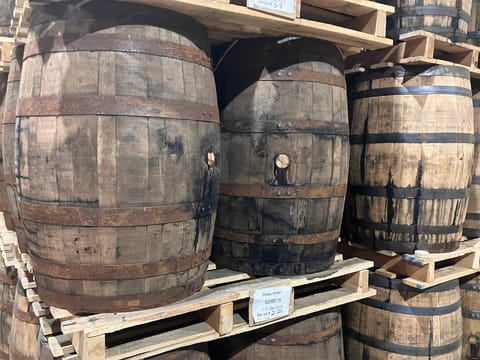
Ardbeg Wee Beastie is matured in a combination of ex-bourbon barrels and ex-sherry casks, a blend that accelerates flavour development and adds depth without requiring extended wood contact. The spirit is bottled at natural colour with no chill filtration, preserving the full spectrum of congeners and volatile compounds that contribute to its peat-forward profile. The ABV of 47.4% sits at a sweet spot for retail positioning—above standard 40% bottlings but below the cask-strength premium tier that commands significant margins.
The cask selection is critical to understanding how Ardbeg achieves its intensity at such a young age. Ex-bourbon barrels, which make up the majority of the blend, impart vanilla and wood spice while allowing the distillery character—its heavily peated new make spirit—to remain front and centre. The ex-sherry component adds roundness and subtle dried-fruit notes that would otherwise be absent in a bourbon-only maturation. This is not a shortcut; it is a deliberately engineered cask recipe that demonstrates how modern distilleries use wood management to compensate for shorter maturation windows. The result is a whisky that tastes older than its chronological age suggests, a technique increasingly common among craft and independent producers facing pressure to release stock faster than traditional 10–12-year cycles allow.
Compared to other entry-level Islay expressions, such as Kilchoman's younger releases or Laphroaig's 10-year standard bottling, Wee Beastie occupies a unique position. It offers the intensity of a core-range Islay without the age-statement premium, making it attractive to retailers seeking to build volume in the sub-£50 price segment while maintaining brand prestige. For cask investors, this bottling raises questions about the future value of young, heavily peated spirit—if distilleries can release compelling 5-year expressions, the speculative premium for 10-year casks may face downward pressure.
Flavour Profile and Market Positioning
On the palate, Wee Beastie delivers a measured but unmistakable peat presence, with the phenolic intensity typical of Ardbeg's heavily peated mash bill. The nose reveals layered maritime notes—sea spray, kelp, and a hint of smoke—alongside subtle citrus and honey from the cask interaction. The mid-palate is where the cask strategy shines: the ex-sherry influence adds a faint dried-apricot sweetness that balances the peat's mineral edge, while the ex-bourbon maturation contributes vanilla and subtle oak spice. The finish is medium-length and drying, with lingering smoke and a peppery warmth that suggests cask strength potential.
Ardbeg Wee Beastie delivers peat intensity comparable to 10-year expressions, achieved through accelerated cask maturation and strategic wood blending rather than extended aging.
This profile has clear retail implications. The whisky sits comfortably in the on-trade, offering bartenders a peated Scotch option that does not require age-statement justification or premium pricing. For direct-to-consumer sales, it appeals to collectors building collections without committing to older, more expensive core-range expressions. The entry-level positioning also makes it an ideal gift bottle—the Ardbeg brand carries sufficient cachet to appeal to enthusiasts, while the price point (typically £45–55 retail) avoids the psychological barrier of premium single malts. For the trade, this means Wee Beastie functions as a volume driver and brand gateway, not a margin maximiser.
Wider Trade Implications and Cask Market Signals
The release of Wee Beastie arrives at a moment when the whisky trade is grappling with oversupply in certain segments and softening demand for premium expressions. American whiskey has faced particular pressure, with American whiskey downturn signals suggesting that depremiumisation may persist through 2025. Ardbeg's move to release a younger, more accessible expression reflects a broader industry trend: when premium margins compress, distillers pivot toward volume and brand engagement rather than holding inventory longer.
For cask investors, this bottling raises strategic questions about how young spirit will be valued in secondary markets. Historically, cask value has been underpinned by the assumption that distillers need extended maturation to justify premium pricing. If multiple distilleries begin releasing compelling 5–7-year expressions, the speculative premium for unmatured and young cask stock may erode. Conversely, if Wee Beastie achieves strong sales velocity and strong secondary-market demand, it could validate a new tier of young-spirit investment—one that prioritises distillery character and cask management over age statements alone.
The Glenmorangie Company's decision to release Wee Beastie also reflects LVMH's broader strategy within spirits. The luxury conglomerate has been consolidating Scotch distilleries and investing in production efficiency to support both premium core ranges and accessible entry-level bottlings. This dual-tier approach mirrors what Brown-Forman has signalled in recent earnings calls, where the company has warned of flat growth ahead despite strong Q4 performance, suggesting that volume-driven segments may be the path to revenue stability. Ardbeg Wee Beastie is a direct expression of this strategy.
Comparison with Competitive Entry-Level Peated Scotches
To contextualise Wee Beastie's market position, consider how it stacks against other accessible peated Scotches:
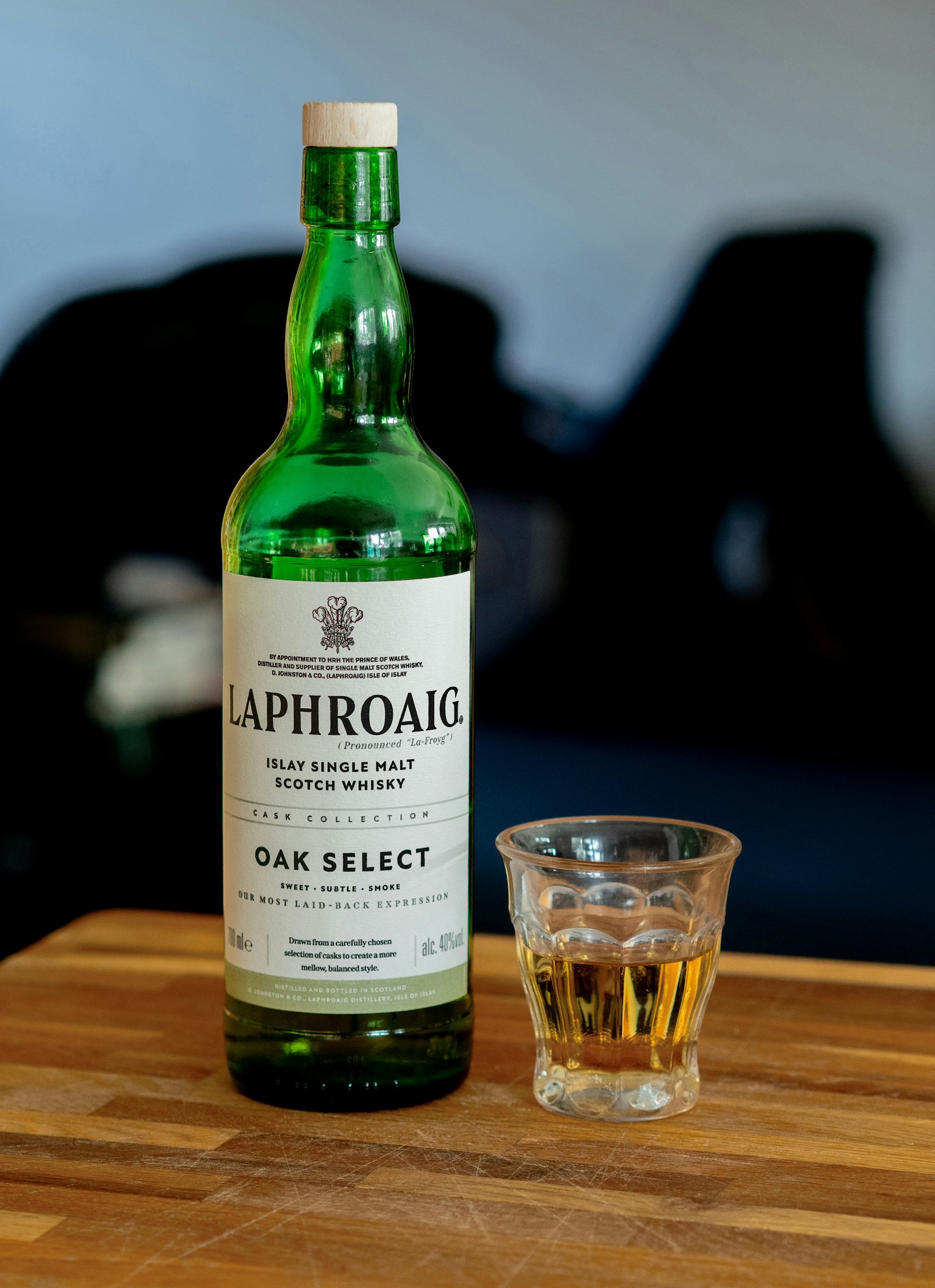
- Laphroaig 10-Year: Established core-range bottling at 40% ABV, aged 10 years, priced £40–48. Offers broader audience appeal and heritage positioning but lacks the intensity of Wee Beastie.
- Kilchoman Machir Bay: No age statement, bottled at 46% ABV, typically £45–55. Younger spirit but from a smaller, independent producer; lacks the distribution and brand recognition of Ardbeg.
- Talisker Skye: No age statement, 45.8% ABV, £35–45. Island peat but less intense than Islay; positioned as more approachable for mainstream consumers.
- Highland Park 12-Year: 40% ABV, aged 12 years, £40–50. Sherried profile with subtle peat; appeals to a broader palate but lacks Wee Beastie's smoke-forward character.
Wee Beastie's advantage lies in its intensity-to-price ratio and its status as an official bottling from a major distillery. Independent releases like Kilchoman offer younger spirit, but Ardbeg's distribution network, marketing muscle, and brand equity give Wee Beastie a significant shelf-placement advantage. This matters for retailers: Ardbeg has the scale to ensure consistent supply and promotional support, whereas smaller producers often struggle with volume commitments.
What the Release Signals About Distillery Strategy in 2025
Ardbeg Wee Beastie is not an isolated release; it reflects a strategic pivot across the Scotch industry. Distilleries are increasingly willing to challenge age-statement conventions when cask quality and production technique can deliver equivalent sensory complexity. This shift is driven by three market forces: (1) inventory pressure from pandemic-era overproduction, (2) softening demand for premium-priced older expressions, and (3) consumer willingness to evaluate whisky on flavour and brand rather than age alone.
For cask investors and trade professionals, the implication is clear: future value in the whisky market will be determined less by age statements and more by distillery character, cask management, and brand positioning. Younger casks may become more attractive if distilleries can demonstrate that they can deliver compelling bottlings at 5–7 years, reducing the holding cost and timeline risk associated with traditional 10–12-year maturation. Conversely, premium aged expressions will need to justify their price through tangible sensory superiority, not merely chronological age.
The release also signals confidence in Ardbeg's phenolic profile and production consistency. Heavily peated spirits are inherently volatile; younger peated whisky can taste harsh or unbalanced if the cask selection is poor. Ardbeg's willingness to bottle at 5 years suggests the distillery has achieved sufficient control over its new-make character and cask interaction to deliver a polished product. This is a technical achievement, not merely a marketing gambit.
Collector and Investor Takeaway
For collectors, Ardbeg Wee Beastie offers an accessible entry point into the Ardbeg range without the premium pricing of the 10-year or 25-year expressions. The bottling is unlikely to become rare or highly sought after in secondary markets—it is a volume release designed for consistent availability—but it serves as a benchmark for how modern distilleries are repositioning young spirit quality. For cask investors, the release warrants careful monitoring: if Wee Beastie sells strongly and commands stable secondary-market pricing, it validates the thesis that young, character-driven spirit can compete with age-statement expressions. If sales disappoint or secondary pricing softens, it signals that consumers still prioritise age statements and that distilleries' attempts to bypass maturation cycles face headwinds.
The broader trade implication is that age statements remain a powerful marketing lever, but they are no longer the sole determinant of whisky value. Distilleries that can engineer compelling flavour profiles at younger ages will gain competitive advantage in a market where inventory costs and time-to-market are increasingly critical. Ardbeg Wee Beastie is a calculated bet that the whisky trade is ready to accept this shift.
Frequently Asked Questions
What is Ardbeg Wee Beastie and why is it significant?
Ardbeg Wee Beastie is a 5-year-old Islay single malt bottled at 47.4% ABV by Ardbeg distillery, owned by Glenmorangie Company (LVMH). It is significant because it delivers peat intensity comparable to 10-year expressions, challenging the assumption that age statements are essential for flavour complexity. For the trade, it signals a shift toward cask-driven maturation strategy and volume-focused positioning.
How does Ardbeg achieve such intensity at only 5 years old?
Ardbeg uses a blend of ex-bourbon and ex-sherry casks, which accelerates flavour development and adds depth without extended maturation. The ex-sherry component adds sweetness and roundness, while the bourbon barrels allow the distillery's heavily peated character to dominate. The spirit is also bottled at natural colour with no chill filtration, preserving full congener complexity.
How does Wee Beastie compare to other entry-level peated Scotches?
Wee Beastie offers greater peat intensity than Laphroaig 10-Year or Talisker Skye, while matching the ABV and price point of Kilchoman Machir Bay. Its key advantage is Ardbeg's distribution network and brand equity, ensuring consistent shelf placement and promotional support that smaller independent producers cannot match.
What does this release mean for cask investors?
Wee Beastie suggests that young, character-driven casks may become more valuable if distilleries can deliver compelling bottlings at 5–7 years. This could reduce the speculative premium for 10-year casks and shift investor focus toward distillery character and cask management rather than age statements alone. However, strong secondary-market performance of Wee Beastie is needed to validate this thesis.
Is Ardbeg Wee Beastie likely to appreciate in secondary markets?
Unlikely. Wee Beastie is a volume release designed for consistent availability, not rarity. Its value lies in its accessibility and brand positioning rather than collectibility. Secondary pricing will likely remain stable relative to retail, making it a poor investment vehicle but an excellent entry-level purchase for enthusiasts.
🥃 Considering whisky casks as an investment? Speak to the Whisky Cask Club team — Singapore-based specialists working with collectors and investors across Asia.