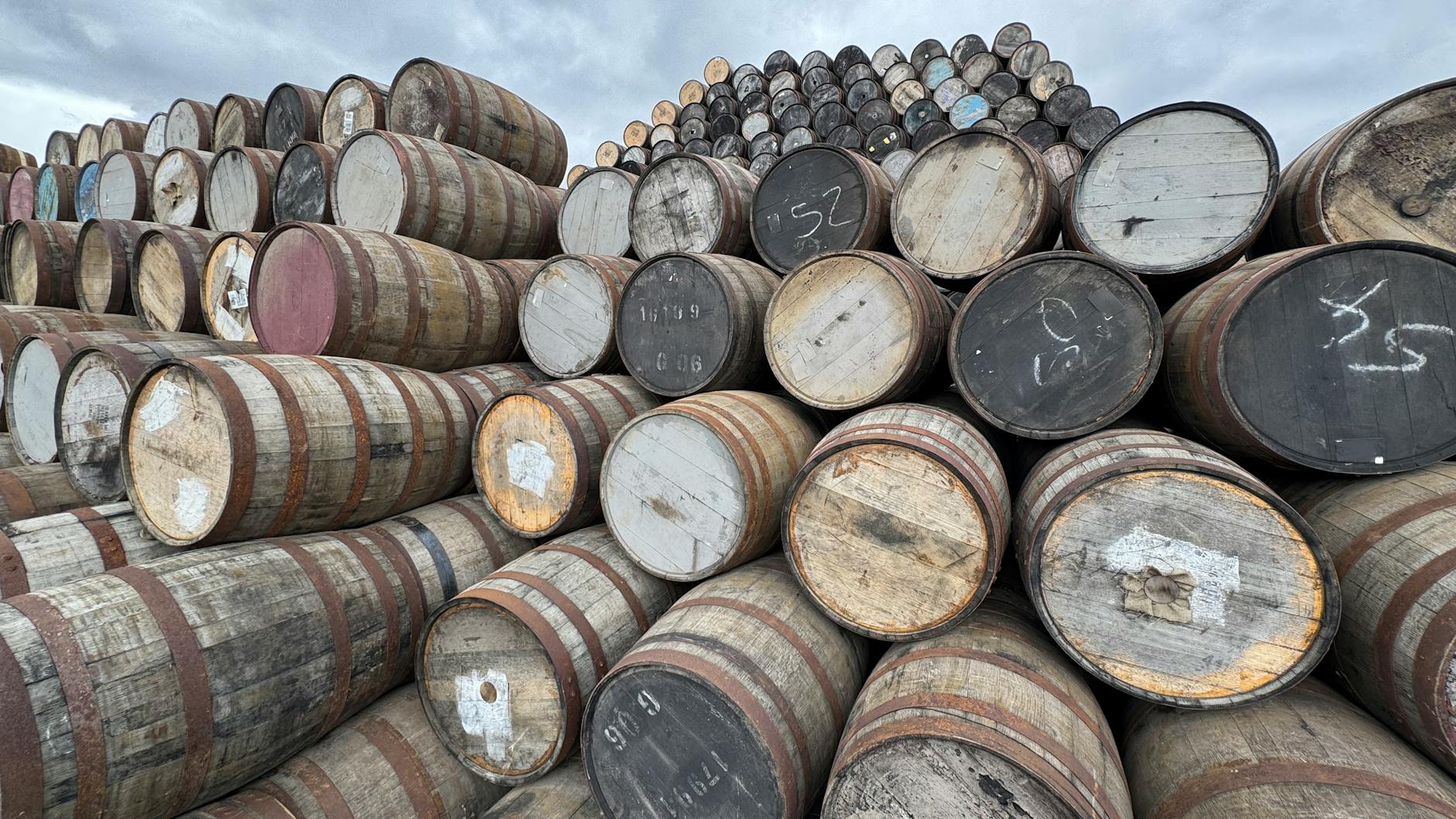
The article argues that branding, not just product quality, is the primary driver of value and price differences in markets like whisky. It uses examples like Macallan and Rolex to show how perceived prestige allows brands to command premium prices for technically similar products.

Why does one bottle of whisky cost more than another? What makes your cask’s whisky less valuable than the identical whisky straight from the distillery? We may ask the same thing about antiques, watches, and even the groceries we buy today.
If we use whisky as an example, we can state that the level in the bottleneck, the whisky’s age, and the sort of barrel it was aged in all play significant roles. Why is a 12-year-old bottle of Glenlivet from the 1980s worth just $50, but a 12-year-old bottle of Macallan is worth £750? Your cask from Springbank is just as good as the ones issued by Springbank or any other independent bottler; why won’t your bottles sell for as much? Branding is the solution.
Identity and Branding
According to Marxist economic theory, two identical bottles of whisky should cost the same since their worth is determined by the amount of labor that went into making them. While we all know they don’t, our need to seem affluent leads us to purchase the more expensive bottle.
Whiskey’s not the only product to suffer from the social construct of perceived value difference, nor are high-priced commodities immune to its consequences. A quartz watch may be purchased for less than fifty pounds, whereas a Rolex Submariner can be bought for tens of thousands of pounds. Rolex watches fetch a higher price than other mechanical watches, so the difference isn’t only due to the higher level of craftsmanship. Quartz watches are more accurate, cheaper to purchase and maintain, and as attractive as a Rolex, so why do so many people choose a Rolex? The price gap may have initially been due to differences in craftsmanship, but this is no longer the case.
Branding is the solution. When you purchase a Rolex, you’re not just buying a watch—you’re making a statement about yourself based on the brand’s implied history, standards, and value. Wearing a Rolex displays wealth and success. This is not simply true for expensive stuff; it applies even to something as mundane as the brand of food you buy at the grocery store.
Branding and Whisky
As the whisky industry’s gold standard, The Macallan enjoys the same implied prestige as the ownership of a Rolex due to the company’s effective positioning as a luxury brand.
They employ the same methods as any other Scottish distillery to produce its single malt whisky. Still, they began distinguishing themselves from the competition at the dawn of the single malt era by carefully guarding and promoting their special older barrels. They may charge more for their bottles than for other technically equivalent products, like the two 12-year-olds from the 1980s we looked at before.
Another brand that has effectively marketed itself and made use of its current inventory is Bruichladdich. When a group of investors acquired the Bruichladdich distillery in 2001, the facility resumed production after falling quiet in 1993. Bruichladdich has been a global leader in innovation for whisky since 2001, and in 2019 it ranked as the sixth most successful distillery in the world. That’s a remarkable turnaround, given how little time has passed, and it’s all because of clever advertising for the Bruichladdich brand.
Frequently Asked QuestionsWhy does a bottle of Macallan cost more than a similarly aged Glenlivet?
The price difference is primarily due to branding and perceived prestige. Macallan has successfully positioned itself as a luxury brand, allowing it to command a higher price for its whisky despite similar production methods and age.How does branding affect the value of whisky from a cask?
Whisky from your own cask, even if identical to the distillery's, typically sells for less because it lacks the established brand identity, marketing, and perceived trust associated with the official distillery or a renowned independent bottler.What is an example of a whisky brand that successfully used branding to grow?
Bruichladdich is a prime example. After being revived in 2001, clever branding and marketing around innovation transformed it into a globally successful distillery within less than two decades.Is the 'branding effect' only relevant for expensive luxury items?
No, the article states that branding influences consumer choice and perceived value across all product categories, from luxury watches like Rolex to everyday grocery items.
Frequently Asked QuestionsWhy does a bottle of Macallan cost more than a similarly aged Glenlivet?
The price difference is primarily due to branding and perceived prestige. Macallan has successfully positioned itself as a luxury brand, allowing it to command a higher price.How does branding affect the value of a whisky cask?
A cask from a well-known distillery like Springbank is more valuable than an identical cask from an independent bottler because the established brand name carries more prestige and consumer trust.Can effective branding revive a whisky brand?
Yes, as seen with Bruichladdich. Clever marketing and brand positioning after its 2001 revival transformed it into a global leader in innovation and a top-selling distillery.Is branding only important for luxury goods like whisky and watches?
No, the article states branding applies to all products, from Rolex watches to everyday grocery items, as it shapes perceived value and consumer identity.