The Scotch Whisky Association has asked UK Chancellor John Healey to cut spirits excise duty in the Autumn Budget on 28 October, a decision that could eventually touch what cask owners pay when whisky leaves bond.
TL;DR
- The SWA wants a cut to UK spirits duty in the Budget on Wednesday 28 October 2026, arguing it would raise Treasury revenue.
- A spirits coalition says duty rose 17% over three years and spirits duty revenue fell £94m in 2025/26, citing HMRC data.
- Nothing is decided: the size of any cut, and how it would apply to casks already in bond, is not confirmed.
What has the Scotch Whisky Association asked for?
The Scotch Whisky Association (SWA) is the trade body for Scotch producers. In its UK Budget submission, published on 9 September 2026, it asked Chancellor John Healey to cut spirits excise duty in the Autumn Budget. SWA Chief Executive Mark Kent argued the Budget must correct the tax disparity between spirits and other alcohol categories, and summed up the case as "cut duty, raise revenue, boost the nation". The submission does not state a percentage for the cut.
On 11 September, First Minister John Swinney backed the call. The SWA release states that alcohol duty rose 17% over three years and that spirits are taxed up to four times more than beer, cider and wine. These are industry claims, not independent findings.
What does the revenue argument rest on?
In April, a coalition of eight spirits organisations said HMRC data showed spirits duty revenue fell by £94m in 2025/26 and sits £1.1bn below the forecast made when the current alcohol duty system launched in 2023. The coalition described the 17% rise in spirits duty over three years as devastating. The page does not name the comparison year and we have not independently checked the HMRC figures.
What is in-bond whisky, and why does duty matter to cask owners?
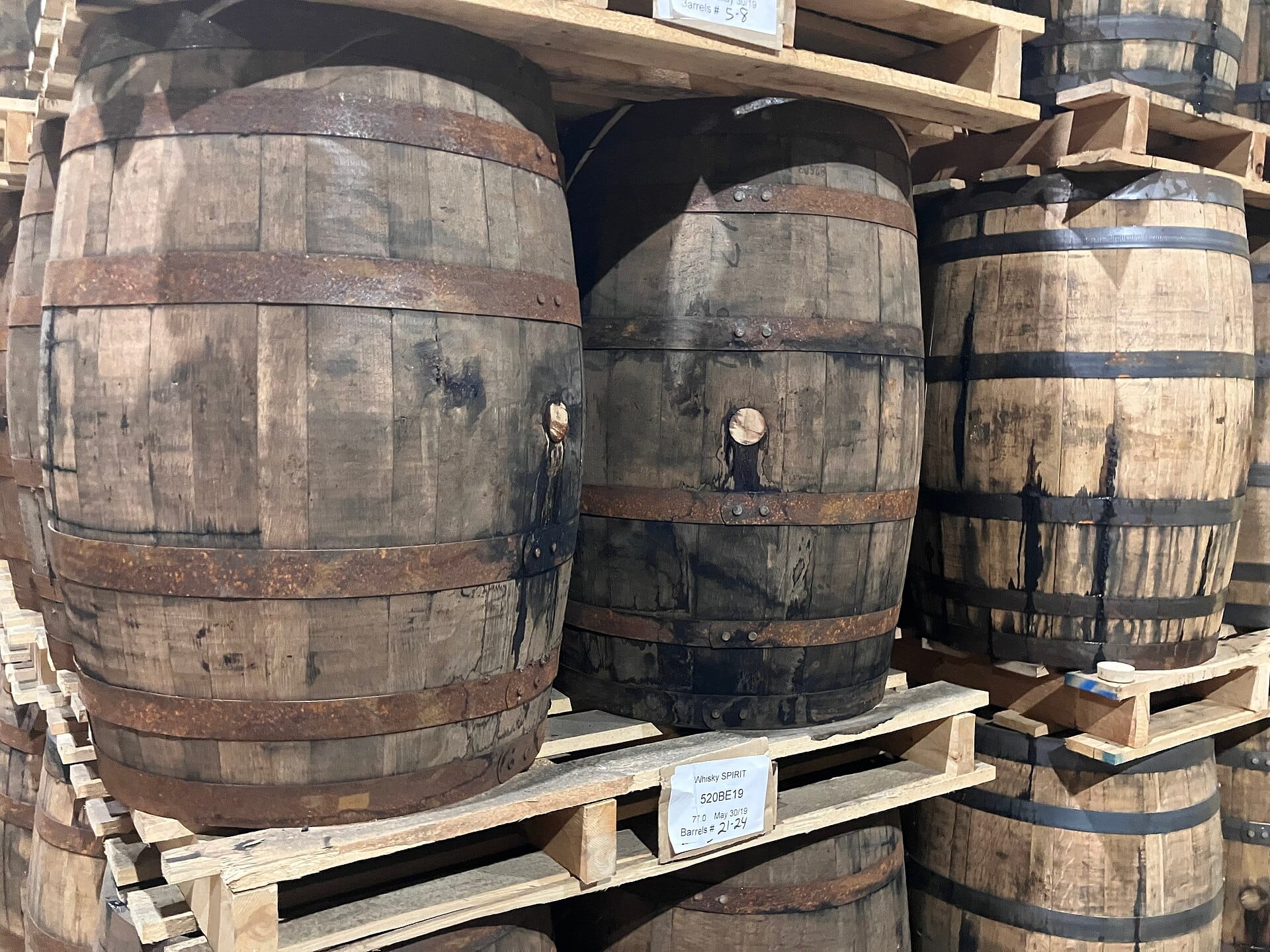
Under GOV.UK guidance, alcohol liable to excise duty can be held in an HMRC-approved excise warehouse without the duty being paid, and duty becomes payable at a "duty point", generally when the goods leave suspension. Whisky merchant Milroy's of Soho explains that in-bond casks usually cost less than duty-paid equivalents because the price excludes duty and VAT, and that the tax bill is calculated on volume and strength when the whisky is removed from bond.
For an investor in Singapore, Hong Kong or Bangkok holding a cask in a Scottish bonded warehouse, that means UK duty is a deferred cost that arrives later, not a charge paid today. Lower duty rates could, in principle, ease that future cost, and a higher or unchanged rate would not. The sources reviewed do not say how a rate change would apply to casks already in bond, so confirm with your warehouse keeper or an HMRC adviser.
Why it matters for APAC buyers right now
Asian cask buyers often focus on distillery health, ownership paperwork and exit routes. Duty policy is another variable worth watching, because it shapes both producer margins and the eventual cost of taking whisky out of bond. Related reading on cask risk: Holyrood pausing production (https://www.whiskybulletin.com/holyrood-is-the-latest-scotch-distillery-to-pause-production-what-asian-cask-buyers-should-watch/ ), GlenWyvis entering administration (https://www.whiskybulletin.com/glenwyvis-distillery-enters-administration-what-it-means-for-whisky-cask-owners-in-asia/ ) and Scotch prices in India after the UK trade deal (https://www.whiskybulletin.com/scotch-prices-are-falling-in-india-after-the-uk-trade-deal-what-asian-buyers-should-know/ ). This article is information only and is not tax, legal or investment advice.
Frequently Asked Questions
When is the UK Autumn Budget 2026?
Chancellor John Healey set the Budget for Wednesday 28 October 2026, announcing the date on 31 July, according to Civil Service World.
What is the Scotch Whisky Association asking the Chancellor to do?
It wants spirits excise duty cut in the Autumn Budget, arguing the move would raise Treasury revenue and support investment. The SWA has not published a specific percentage in the material reviewed.
Do cask owners pay UK duty while whisky is in bond?
No. Under GOV.UK guidance, duty is suspended while alcohol is held in an approved excise warehouse and becomes payable at the duty point, generally when goods leave suspension. Milroy's of Soho says the amount depends on volume and strength at removal.
Sources and Method
This is an original summary based on: Scotch Whisky Association, UK Budget submission 2026 (9 September 2026); SWA, First Minister backs Scotch Whisky industry call for excise duty cut (11 September 2026); SWA, HMRC spirits duty revenue 2026 (21 April 2026); Civil Service World, Healey sets October date for Autumn Budget (Jim Dunton, 31 July 2026); GOV.UK Alcoholic products technical guide, Section 10 duty suspension (updated 12 August 2026); Milroy's of Soho, What is an in bond whisky (Jolyon Dunn, 10 August 2025). Industry figures are attributed to the SWA and the spirits coalition and were not independently verified. Not confirmed: the size of any cut, whether the Budget will change spirits duty, and how any change would apply to casks already in bond.