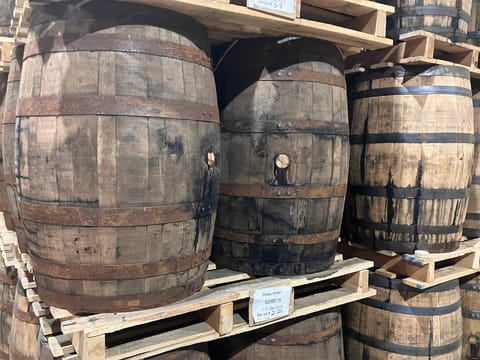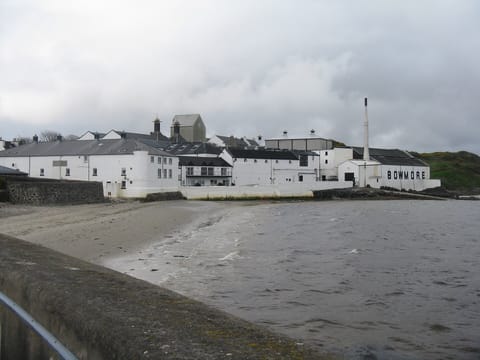
The Kentucky Bourbon Trail has officially expanded to a record 74 stops after adding four new distillery destinations in 2026. This strategic expansion highlights the growing importance of direct-to-consumer tasting rooms in boosting brand equity, increasing profit margins, and navigating shifting global wholesale markets.
Four new distillery destinations have officially joined the Kentucky Bourbon Trail in July 2026, expanding the regional tourism network to a record total of 74 distinct visitor experiences across the commonwealth. Managed by the Kentucky Distillers' Association, this expansive trail has become a major global pilgrimage site for spirits enthusiasts, drawing millions of visitors annually to the heart of American whiskey production.
For spirits industry stakeholders, brand owners, and distillery operators, this rapid expansion highlights the relentless growth of whiskey tourism as a primary driver of brand equity and direct-to-consumer sales. Navigating an increasingly crowded marketplace requires distilleries to establish clear points of differentiation, as visitor footprint and tasting room engagement directly impact long-term volume growth. The addition of these locations demonstrates that regional tourism continues to serve as an essential marketing engine for both legacy labels and emerging craft producers striving to secure domestic market share.
The expansion of the trail reflects a broader strategic shift within the North American whiskey sector, where physical visitor centers are treated as critical infrastructure rather than simple side-projects. This latest cohort of destinations highlights several key trends currently shaping the industry:
- Direct-to-Consumer Focus: Craft distillers are leveraging onsite bottle sales and exclusive tasting room releases to improve profit margins in a persistent high-interest rate environment.
- Geographical Dispersion: The trail's expansion into new counties spreads economic benefits beyond the traditional hubs of Louisville and Bardstown, creating localized whiskey micro-markets.
- Brand Immersion: Modern consumers increasingly demand hands-on educational experiences, interactive blending sessions, and detailed architectural tours over basic bar tastings.
The regulatory and organizational bodies behind the trail have actively managed this growth to ensure that participating venues meet strict operational, safety, and production standards, maintaining the premium reputation of the state's signature spirit. As global supply chain pressures ease and international export markets face fluctuating tariff landscapes, domestic tourism offers a highly stable, high-margin revenue stream. This diversification is vital for independent producers who may lack the massive global distribution networks of multinational drinks conglomerates.
Why it matters: This expansion of the state's tourism footprint to 74 stops signals that the American whiskey sector is doubling down on experiential retail to offset softening wholesale volumes. For cask investors and distillery owners, robust visitor centers serve as a powerful hedge against traditional retail headwinds, proving that brand loyalty is increasingly forged through direct sensory engagement rather than standard retail distribution.