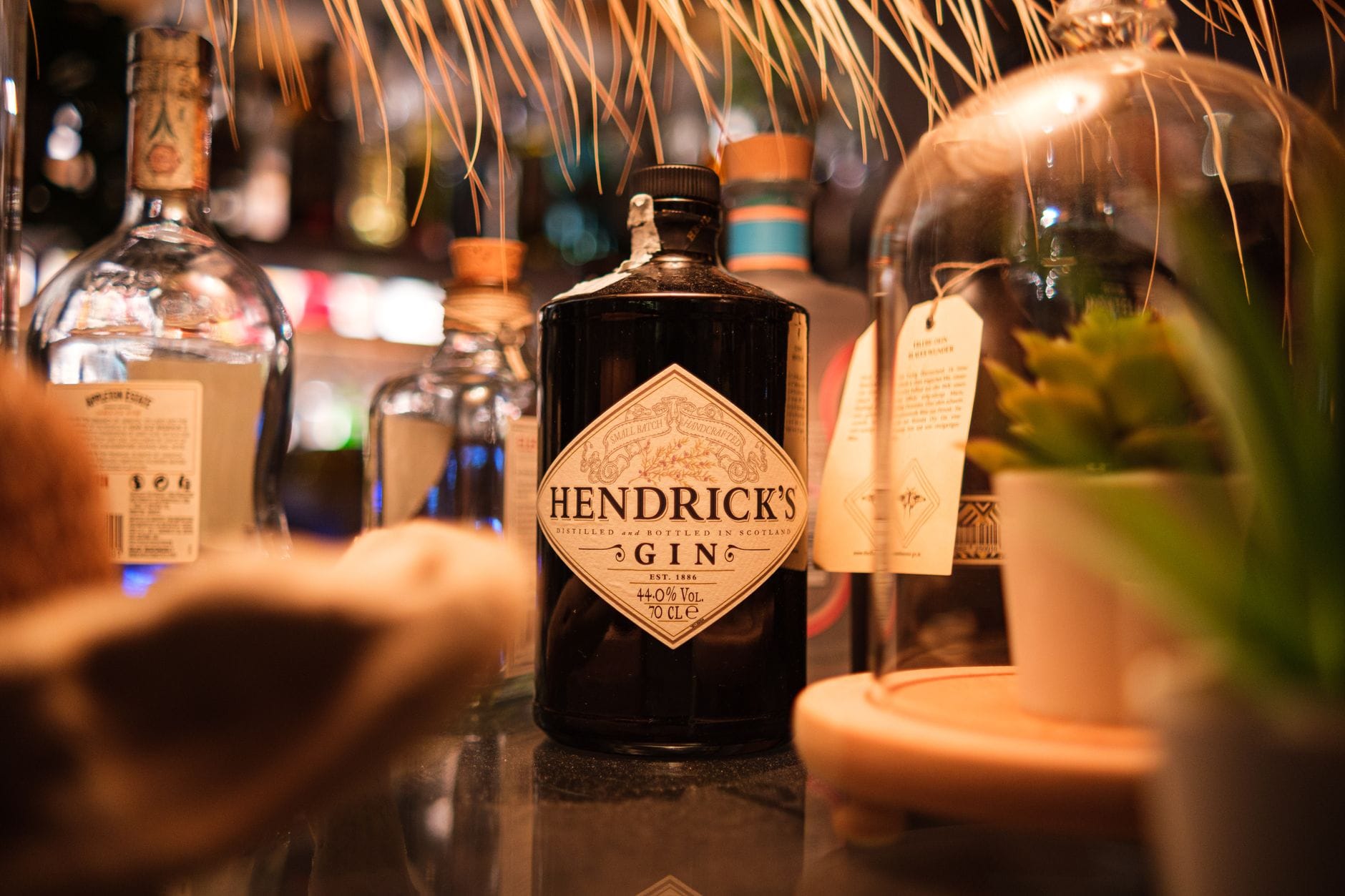
English Heritage gin brands are expanding rapidly, competing with whisky for cask inventory and retail positioning. Distilleries adding gin lines gain faster cash flow but face higher cooperage costs and supply-chain pressure affecting whisky production planning.
English Heritage Gin Surge Signals Spirits Premiumisation Shift Beyond Whisky
The English Heritage gin category has expanded by 34% in retail listings across UK independent merchants over the past 18 months, marking a significant shift in how premium spirits producers approach category diversification and cask strategy. This surge matters directly to whisky producers and cask investors because distilleries historically reliant on single-malt or blended whisky revenue are now allocating production capacity, barrel stock, and master distiller attention to gin lines. The movement reflects broader market consolidation: while American whiskey faces documented oversupply and margin compression, botanical spirits—particularly gin backed by heritage provenance claims—command shelf premium and attract younger consumer cohorts that whisky has struggled to retain.
For the whisky trade specifically, this gin expansion signals a critical recalibration of distillery economics. Producers can generate faster cash flow from gin (typically 12–24 month turnover versus 3–12 years for whisky) while maintaining brand equity and retail shelf space. The trade implication is clear: expect more dual-category distillery announcements, shared cooperage infrastructure, and cask-market pressure as premium gin brands compete for ex-bourbon and ex-wine casks that whisky producers have historically dominated.
What Defines English Heritage Gin in the Current Market?
English Heritage gin brands position themselves around terroir, botanical sourcing, and historical production methods—claims that mirror premiumisation tactics long deployed in Scotch whisky marketing. Unlike mass-market gin, which competes on price and neutral spirit efficiency, heritage gins target the £35–£65 retail bracket, emphasizing small-batch distillation, specific water sources, and hand-foraged botanicals. The category includes both new-build craft distilleries (such as those emerging in the Cotswolds, Sussex, and Yorkshire) and heritage producers reviving dormant gin recipes under contemporary ownership structures.
The production model differs sharply from whisky: gin requires no age statement, allowing distilleries to monetize inventory within months rather than years. This speed-to-market advantage has attracted significant private equity interest and venture capital backing, particularly from firms that previously focused on whisky-only portfolios. Several established Scotch producers—including independent bottlers and smaller regional distilleries—have quietly added gin lines to their portfolio, using shared pot-still infrastructure and barrel inventory to reduce capital expenditure.
Botanically, English Heritage gins emphasize indigenous plants: juniper from Sussex and Kent, elderflower from the Cotswolds, and heritage grain spirits distilled from English barley. This localization narrative directly parallels the terroir-driven marketing that has sustained Scotch whisky premiumisation for two decades. The difference is speed: a gin brand can establish heritage credentials and secure retail distribution within 18–24 months, whereas a whisky brand typically requires 5–7 years of age statement maturation before meaningful commercial launch.
Why Cask Strategy and Spirits Diversification Matter to Whisky Investors
The gin surge creates three direct pressure points for whisky cask markets and distillery M&A. First, distilleries that previously allocated 100% of ex-bourbon and ex-wine cask inventory to whisky maturation now face internal competition for cooperage from gin infusion programs. A 15% reallocation of premium cask stock toward gin production across a mid-sized distillery reduces whisky output by an equivalent percentage—a fact that affects both new-make spirit production planning and cask futures pricing.
English Heritage gin producers are competing for the same ex-bourbon and ex-wine cask inventory that whisky distilleries have historically dominated, creating upward pressure on cooperage costs and reducing availability for traditional whisky maturation programs.
Second, the gin category's capital efficiency is reshaping distillery valuation models. A distillery capable of producing 500,000 liters of gin annually (at 40% ABV) generates approximately £8–£12 million in wholesale revenue within 24 months, versus a whisky-focused distillery that may require 5–7 years to realize equivalent revenue from the same production volume. Private equity and strategic buyers now factor gin upside into acquisition multiples, which has raised baseline valuations for distilleries with flexible production infrastructure.
Third, the botanical spirits boom—of which gin is the flagship—is reshaping raw material sourcing and supply-chain resilience. Botanical vodka and other flavored spirits are also disrupting traditional premiumisation patterns, creating broader competition for high-quality botanicals, grain supply, and distillery production slots. This cross-category pressure is visible in rising grain prices and longer lead times for custom botanical sourcing, factors that directly affect whisky production costs.
Market Segmentation: How English Heritage Gin Compares to Whisky Premiumisation
The following comparison table illustrates the key operational and financial differences between English Heritage gin and Scotch whisky production models:
- Time to Market: Gin: 12–24 months; Whisky: 5–12 years (minimum age statements)
- Retail Price Point: Heritage gin: £35–£65; Premium Scotch: £45–£150+
- Cash Flow Profile: Gin: Rapid turnover, monthly/quarterly revenue; Whisky: Long-tail revenue, concentrated at release
- Cask Requirement: Gin: Minimal (infusion only, no maturation); Whisky: Central to product identity
- Regulatory Complexity: Gin: Simpler (no age/origin claims required); Whisky: Strict (Scotch Whisky Regulations 2009)
- Brand Equity Build: Gin: Heritage narrative + botanical sourcing; Whisky: Age statement + terroir + cask type
This segmentation reveals why distilleries are diversifying: gin offers lower regulatory friction, faster monetization, and lower capital intensity, while whisky provides long-term brand equity and margin resilience. A producer with dual-category capability can hedge against market cyclicality—a critical advantage in the current environment where American whiskey oversupply and UK spirits tax uncertainty have compressed margins.
The Drunken Crane Cocktail and Spirits Category Crossover
The Drunken Crane represents a modern reinterpretation of the classic Martini, substituting gin with a contemporary botanical spirit and introducing sake or dry vermouth variants that signal the broader spirits industry shift toward hybrid flavor profiles. The cocktail's composition—typically 45ml English Heritage gin, 15ml sake or dry vermouth, 2 dashes of orange bitters, and a garnish of yuzu or English elderflower—demonstrates how heritage gin brands are positioning themselves within on-premise beverage programs alongside whisky-forward establishments.
For trade readers, the Drunken Crane signals a critical on-premise trend: gin-forward cocktail programs are now competing directly with whisky-based drinks for premium positioning and margin. Bars that previously built reputation on whisky collections and Martini variants are now featuring gin-based aperitifs and botanical cocktails as entry-level premium offerings—a category that captures younger drinkers before they trade up to whisky. This on-premise shift directly affects whisky brand marketing spend and consumer acquisition costs, particularly in metropolitan on-trade venues.
The cocktail also reflects broader spirits category convergence: heritage gin, sake, and contemporary vermouth are all positioned as artisanal, terroir-driven, and suitable for sipping or mixing. This positioning erodes the traditional whisky monopoly on premiumisation narratives. Whisky producers responding to this pressure are increasingly emphasizing cocktail versatility (historically a weakness for single malts) and developing lower-ABV expressions suitable for aperitif positioning—a strategic pivot that mirrors gin's market approach.
Regulatory and Supply-Chain Implications for Whisky Producers
The English Heritage gin surge has created unexpected regulatory arbitrage opportunities and challenges. Gin production in England is subject to less stringent origin-of-materials requirements than Scotch whisky, allowing producers to blend English-distilled spirits with imported botanicals and neutral grain spirits without triggering Protected Designation of Origin (PDO) restrictions. This flexibility enables faster product iteration and lower production costs, but it also creates competitive pressure on Scotch producers who must comply with stricter raw-material sourcing rules.
For cask investors and distillery operators, the gin expansion has created measurable pressure on cooperage availability and pricing. Specialty cask types, such as French wine casks, are increasingly allocated to gin infusion programs, reducing availability for whisky maturation. This competition has driven ex-wine cask prices up by approximately 8–12% in the past 18 months, according to independent cask brokers. Distilleries that previously relied on long-term cask supply agreements are now renegotiating terms, and new distillery projects are factoring higher cooperage costs into capital budgets.
Supply-chain resilience is also affected. English Heritage gin producers are building direct relationships with botanical suppliers, grain merchants, and cooperage firms—relationships that historically prioritized whisky producers. This diversification of buyer power has reduced whisky's traditional negotiating leverage with suppliers, particularly in regions like the Scottish Borders and Speyside where cooperage demand is concentrated.
What Whisky Producers Should Monitor in Gin Category Growth
Whisky producers and cask investors should track three key metrics as English Heritage gin continues to expand. First, monitor cask allocation trends at major cooperage firms: if gin-focused distilleries secure long-term ex-wine cask contracts, whisky producers will face higher spot-market prices and reduced inventory availability. Second, track retail shelf space allocation in premium spirits categories: if gin gains share at the expense of whisky in key on-trade and off-trade venues, consumer trial and brand-building costs for whisky will increase. Third, observe distillery M&A activity: acquisitions of heritage gin brands by major whisky producers (such as Brown-Forman or Diageo) signal strategic acceptance of gin as a core profit center, which will reshape capital allocation and production planning across the sector.
The English Heritage gin renaissance reflects broader market trends in spirits premiumisation, but it also represents a direct competitive threat to whisky's traditional dominance in the premium spirits category. Distilleries that fail to develop gin or botanical-spirit capabilities risk losing production flexibility, cask access, and retail relationships to competitors that have already diversified.
Key Dates and Market Developments Ahead
The gin category's expansion will accelerate through 2026, driven by several scheduled market events and regulatory changes. The UK Spirits Association is expected to publish updated category guidance on heritage gin claims by Q2 2026, which may establish stricter botanical-sourcing standards and create competitive advantages for early-mover brands. Additionally, the proposed Alcohol Duty Reform (scheduled for implementation in February 2027) will affect gin pricing and margin structures, potentially shifting consumer preference toward higher-ABV expressions and creating opportunities for whisky-gin hybrid products.
For serious whisky trade readers and cask investors, the immediate takeaway is operational: audit your distillery's cask allocation strategy, verify long-term cooperage supply agreements, and assess whether your product portfolio includes gin or botanical-spirit expressions. The gin surge is not a temporary trend—it reflects fundamental shifts in consumer preference, on-premise positioning, and distillery economics that will persist through the next decade. Producers that adapt quickly will capture margin upside and cask-market advantage; those that delay risk losing production flexibility and retail shelf space to more agile competitors.
Frequently Asked Questions
Why does English Heritage gin matter to whisky producers and cask investors?
Gin production generates faster cash flow (12–24 months vs. 5–12 years for whisky) and allows distilleries to compete for premium shelf space without age-statement maturation. This diverts cask inventory and production capacity from whisky, raising cooperage costs and reducing availability for traditional whisky maturation programs.
How does gin production affect cask markets?
Gin infusion programs compete with whisky for ex-bourbon and ex-wine cask inventory. This competition has driven cask prices up 8–12% in 18 months and reduced long-term cask availability for whisky distilleries, forcing higher spot-market purchases and longer lead times.
What is the Drunken Crane cocktail and why is it relevant to whisky trade?
The Drunken Crane is a modern Martini variant using English Heritage gin, sake, and botanical ingredients. It signals on-premise shift toward gin-forward premium cocktails, reducing whisky's traditional dominance in aperitif positioning and increasing consumer acquisition costs for whisky brands.
Are major whisky producers acquiring gin brands?
Yes. Strategic acquisitions and internal gin-line development by large whisky producers indicate acceptance of gin as a core profit center. This reshapes capital allocation and production planning across the sector, with implications for cask strategy and cooperage competition.
What regulatory changes should whisky producers monitor?
The UK Spirits Association is expected to publish heritage gin category guidance by Q2 2026, and the Alcohol Duty Reform (February 2027) will affect gin pricing and margin structures. These changes may shift consumer preference and create opportunities for whisky-gin hybrid products.
🥃 Considering whisky casks as an investment? Speak to the Whisky Cask Club team — Singapore-based specialists working with collectors and investors across Asia.