Edrington reported a 14% full-year revenue decline, driven by weaker demand for prestige Scotch expressions and a softer performance from Highland Park. The result raises questions about the durability of ultra-premium pricing across the Scotch single malt category.
Edrington posted a full-year revenue decline of 14%, with the group's owner citing weakness in prestige expressions and a softening performance from Highland Park as the principal drags on the result. The figures mark a significant reversal for a portfolio that had leaned heavily into high-price-point growth over recent years.
For cask investors and trade buyers, the numbers carry a pointed warning: the ultra-premium end of the Scotch market is not immune to demand fatigue. The Macallan, long positioned as the benchmark for collectible single malt, appears to have run into the same consumer caution that has pressured other prestige spirits categories globally. When the flagship stumbles, the ripple effect on secondary market sentiment and on-trade allocations can be swift.
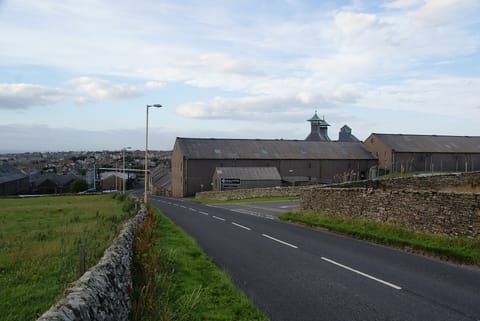
The revenue drop breaks down across two clear pressure points. First, prestige expressions, the high-aged, limited-release bottlings that command four and five-figure price tags, saw demand cool, suggesting that the pool of buyers willing to pay at the very top of the market has contracted. Second, Highland Park, the Orkney distillery whose aged expressions have historically attracted strong collector interest, declined alongside the broader premium segment. Key factors shaping the result include:
- A 14% full-year revenue reduction across the Edrington group
- Weakness concentrated in prestige and limited-release Scotch expressions
- Declining performance from Highland Park
- Broader consumer caution at the ultra-premium price tier
Edrington has not, based on available reporting, signalled production cuts or distillery closures in response. The group's strategy has been built around scarcity and premiumisation for over a decade, and a single difficult year is unlikely to prompt a fundamental pivot. However, the results will sharpen scrutiny on how aggressively the industry has chased the prestige ceiling, and whether the market can sustain the volume of high-ticket releases that have flooded auction houses and specialist retailers.
Why it matters: A 14% revenue fall at one of Scotch whisky's most premium-focused groups is a credible signal that the prestige tier is undergoing a correction, not just a pause. Buyers active in the cask market or auction space should weigh whether current valuations on aged and rare Scotch expressions still reflect realistic exit demand, or whether price expectations need to recalibrate alongside the group's own figures.
🥃 Considering whisky casks as an investment? Speak to the Whisky Cask Club team, Singapore-based specialists working with collectors and investors across Asia.