Diageo has permanently closed its Aviation American Gin visitor centre in Oregon just three years after its grand opening. This strategic move highlights a broader corporate effort by major drinks conglomerates to aggressively cut secondary experiential overhead and prioritize capital preservation for core whisky assets.
Multinational beverage conglomerate Diageo has officially announced the permanent closure of its Aviation American Gin visitor centre in Portland, Oregon, shuttering the doors of the brand's flagship tourism destination a mere three years after its high-profile launch. The premium gin brand, which Diageo acquired in a highly publicized 2020 deal valued at up to $610 million, had utilized the interactive West Coast facility as a major hub for consumer engagement and direct-to-consumer sales.
For whisky trade analysts, distillery strategists, and spirits portfolio investors, this abrupt closure represents far more than a minor regional setback; it signals a fundamental course correction in how the world's largest drinks corporations allocate capital. During the height of the craft spirits boom, massive conglomerates invested heavily in expensive physical tasting rooms and experiential brand homes. However, with post-pandemic consumer spending cooling and macroeconomic pressures mounting, companies like Diageo are rapidly shifting their strategic focus back toward core asset preservation, particularly their high-yielding Scotch whisky, Irish whiskey, and American bourbon portfolios.
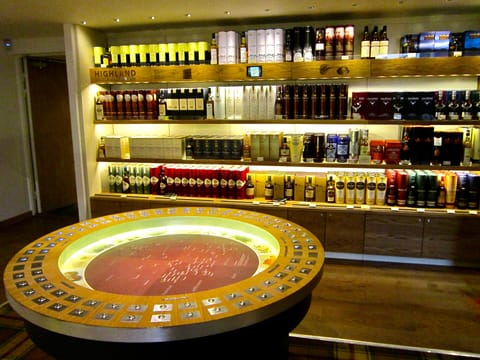
The Aviation Gin visitor centre was opened in late 2022 with the goal of mimicking the highly successful guest experiences found across Scotland’s malt whisky distilleries. Leveraging the massive celebrity influence of co-owner Ryan Reynolds, the distillery and tasting room aimed to establish a permanent physical footprint in the Pacific Northwest craft scene. Yet, as the global gin market slows and retail volumes stabilize, maintaining a dedicated, high-overhead visitor space in Oregon has become increasingly difficult to justify on a corporate balance sheet.
This consolidation move highlights three emerging trends in how spirits conglomerates are managing their global production and marketing footprints:
- Experiential rationalization: Multinational brands are aggressively cutting secondary physical footprints that do not directly contribute to volume growth or primary industrial distillation.
- Whisky-centric capital allocation: Capital expenditure is being heavily funneled back into legacy single malt and premium blend facilities, which continue to command strong pricing power globally.
- Direct-to-consumer digital pivot: Marketing budgets are shifting away from localized retail destinations and instead being redeployed into digital campaigns and broader off-trade distribution channels.
Why it matters: This closure signals that even high-profile, celebrity-backed acquisitions are subject to strict financial rationalization as Diageo prioritizes the long-term stability and profitability of its core whisky and primary spirits divisions over regional experimental real estate.