A wave of prominent California winemakers is expanding into whiskey distilling and craft beer, citing transferable fermentation skills and receptive premium audiences. Their preference for ex-wine cask finishing and small-batch production could influence American whiskey style and alternative cask supply chains.
A growing number of high-profile California winemakers are moving beyond the vineyard, launching whiskey distilleries, craft beer projects, and fermented drinks ventures that draw directly on their winemaking expertise. The trend signals a broader blurring of craft beverage disciplines, with fermentation knowledge increasingly treated as a transferable asset across spirits, beer, and wine.
For whisky trade observers, the development is worth watching closely. When winemakers with serious technical credentials and established distribution relationships enter distilling, they bring capital, brand recognition, and a customer base already primed for premium, terroir-driven products. That combination can accelerate a new whiskey label's route to shelf and to the secondary market faster than a conventional distillery startup.
The crossover logic is straightforward. Winemakers argue that working with beer fermentation sharpens their understanding of yeast behaviour, temperature control, and fermentation kinetics, skills that translate directly into whiskey production. Several California producers have cited beer as a deliberate training ground before committing to the longer capital cycle of whiskey maturation. The overlap is not cosmetic; it reflects a genuine convergence in how craft producers think about flavour development from grain or grape to glass. Key reasons winemakers cite for branching into whiskey and beer include:
- Fermentation expertise transfers directly to grain-based spirit production
- Premium wine audiences are receptive to aged, craft-distilled whiskey
- Beer projects offer faster cash flow while whiskey stock matures
- Cross-category branding strengthens direct-to-consumer sales channels
- Regulatory frameworks in California have become more accommodating for small distillers
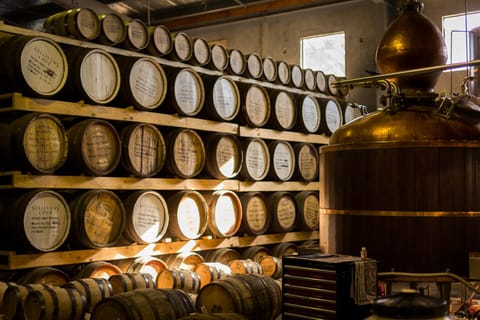
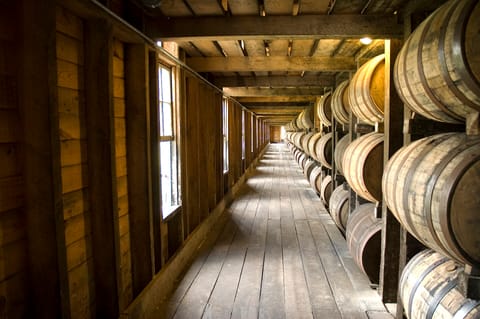
California's craft spirits sector has expanded steadily, and winemakers entering distilling tend to favour small-batch production, often using wine-adjacent cask types such as ex-Chardonnay or ex-Zinfandel barrels for finishing. While age statements on California whiskeys remain short by Scotch standards, many releases sit at two to four years, the finishing cask choices reflect a winemaker's instinct to layer complexity through wood selection rather than extended maturation alone. ABVs on these releases typically range from 46% to 58%, skewing toward cask strength to appeal to enthusiast buyers.
Why it matters: As California winemakers formalise whiskey projects, the secondary cask market may see increased supply of unconventional finishing wood, ex-wine barrels sourced directly from producer estates, which could influence finishing strategies at both craft and mid-tier distilleries looking for point-of-difference cask inventory. Buyers and blenders tracking alternative cask supply should note California as an emerging, if still modest, source of influence on American whiskey style.
🥃 Considering whisky casks as an investment? Speak to the Whisky Cask Club team, Singapore-based specialists working with collectors and investors across Asia.