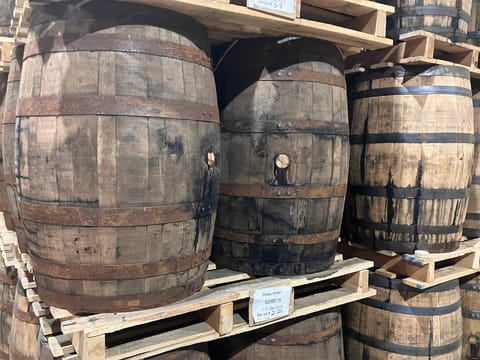

The UK Advertising Standards Authority has ruled against whisky cask investment firm Capgroup Int for a second time, citing inadequate financial risk warnings on its website. The repeat ruling highlights ongoing regulatory pressure on the unregulated cask investment sector and underscores the need for buyers to scrutinise operator compliance carefully.
The UK's Advertising Standards Authority has ruled against whisky cask investment company Capgroup Int for a second time, finding that the firm failed to include adequate financial risk warnings on its website. The ruling adds to a growing pattern of regulatory scrutiny aimed at cask investment operators who market alternative assets to retail consumers without the disclosures required under ASA guidelines.
For cask investors and trade professionals, the repeat ruling matters because it signals the ASA is prepared to pursue persistent non-compliance rather than treat a single ruling as a sufficient deterrent. Capgroup Int's failure to correct its website after an earlier adverse decision suggests either disregard for the regulator's requirements or a calculated bet that enforcement consequences remain limited. Either way, the case reinforces why buyers entering the cask investment market should treat any firm's marketing claims with considerable scepticism.
The core issue in the latest ruling centres on risk disclosure. Cask investment is an unregulated asset class in the UK, meaning purchases of maturing spirit in barrel carry no Financial Conduct Authority protections. The ASA requires that promotional material make this clear. Capgroup Int's website, according to the ruling, did not meet that standard. The regulator's key findings included:
- Absence of prominent risk warnings on investment-facing web pages
- Marketing language that implied returns without adequately flagging capital risk
- Repeat non-compliance following a previous ASA adjudication against the same firm
The cask investment sector has attracted sustained regulatory attention over the past several years as operators proliferated and consumer complaints mounted. The ASA does not have the power to impose financial penalties directly, but adverse rulings are published and can be referred to Trading Standards. Reputational damage from a second public ruling is, in practice, the regulator's sharpest available tool, and one that legitimate operators in the space will be keen to distance themselves from.
Why it matters: Repeat ASA rulings against the same firm are unusual and send a clear signal to the broader cask investment market that the watchdog is tracking compliance over time, not just responding to individual complaints. For serious buyers considering cask purchases as part of a broader whisky strategy, this case is a useful reminder to verify that any prospective investment partner carries transparent risk disclosures, independent valuations, and, where applicable, FCA authorisation for any financial promotions. The reputational cost of association with non-compliant operators in a market already under scrutiny is one no credible cask broker can afford.
🥃 Considering whisky casks as an investment? Speak to the Whisky Cask Club team, Singapore-based specialists working with collectors and investors across Asia.