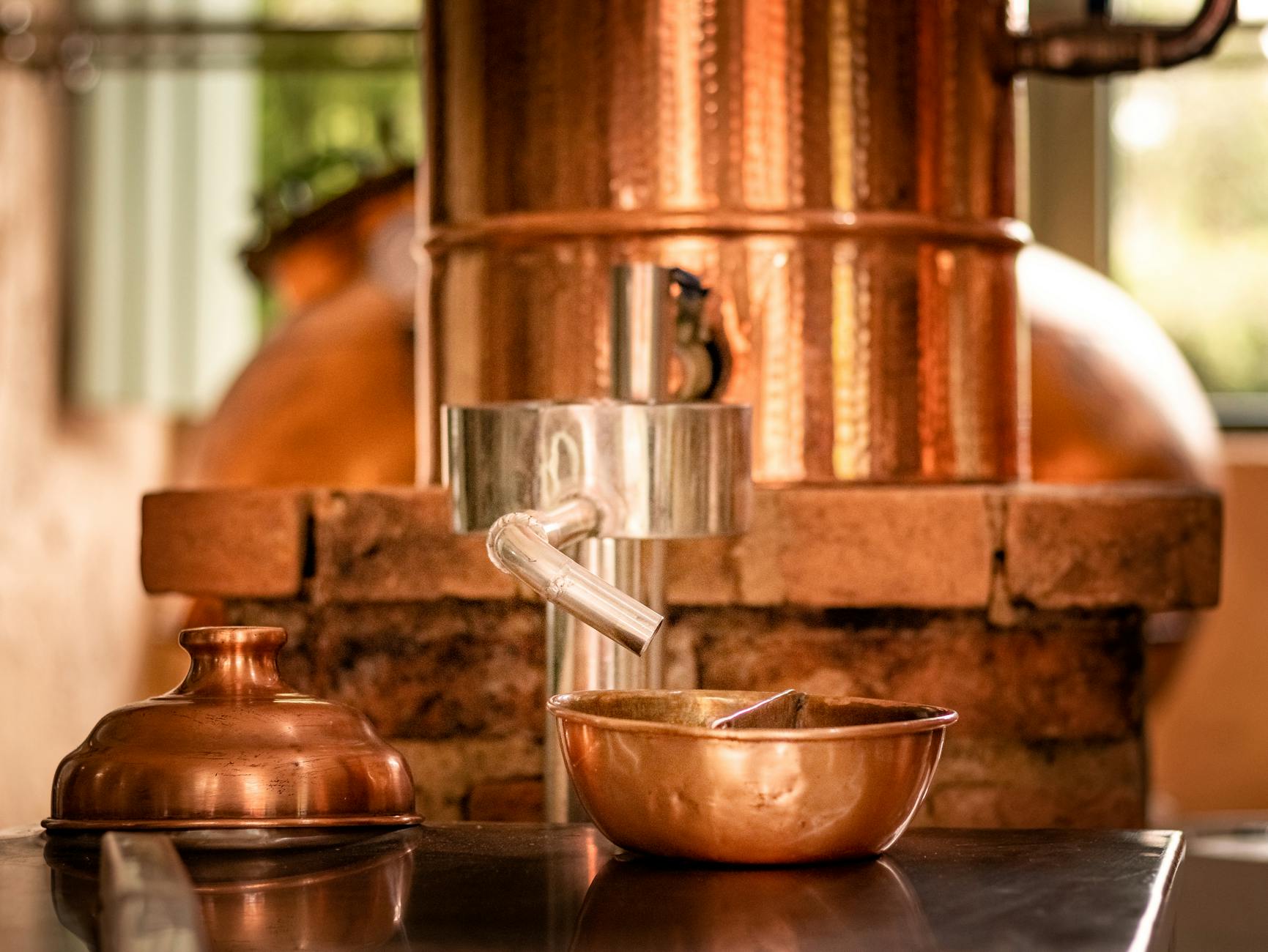
Yellowstone Bourbon has donated over $1 million to national parks conservation. This milestone highlights the brand's successful cause-driven strategy in the competitive bourbon market, leveraging its heritage and environmental commitment for commercial differentiation.
The News
Yellowstone Bourbon has officially surpassed $1 million in donations directed toward national parks conservation, marking a significant milestone for one of Kentucky's more storied heritage brands. The figure represents cumulative contributions made through the brand's ongoing partnership with conservation initiatives tied to America's national parks system, with a portion of proceeds from each bottle sold channelled directly into preservation and maintenance programmes. For a mid-sized Kentucky distillery, reaching seven figures in philanthropic output is a commercially meaningful achievement — one that the brand has been building toward since repositioning Yellowstone as a premium product with a clear environmental conscience.
Limestone Branch Distillery, the Lebanon, Kentucky operation run by brothers Steve and Paul Beam — direct descendants of the Beam whiskey dynasty — acquired the Yellowstone name and relaunched it as a flagship expression in 2015. The brand carries genuine historical weight: Yellowstone Bourbon dates to 1872, the same year the national park itself was established, and that coincidence of origin has been central to the brand's identity ever since. The $1 million donation milestone arrives as Yellowstone Bourbon has expanded its portfolio to include a range of aged expressions, limited releases, and finished variants that have found traction both domestically and in export markets.
Trade Context
Limestone Branch sits in an interesting position within the Kentucky bourbon hierarchy. It is not a large-volume producer in the manner of Brown-Forman or Beam Suntory, but it occupies a credible mid-premium space where heritage narrative and product quality carry genuine commercial weight. The Yellowstone range spans entry-level expressions through to aged and finished releases that retail in the $60 to $150 range, competing directly with established names in the accessible premium segment. The distillery's relatively modest production footprint means that brand story and differentiation matter more here than in categories where volume and distribution muscle dominate.
- Producer / Distillery: Limestone Branch Distillery, Lebanon, Kentucky
- Category: Bourbon / American Whiskey
- Market implication: Conservation-linked branding is proving commercially durable, not merely a marketing footnote — and the $1 million figure gives Yellowstone a concrete proof point that competitors cannot easily replicate without an equally authentic founding narrative.
Why Does Cause-Driven Branding Matter to the Whisky Trade?
The bourbon category has experienced significant saturation over the past decade, with hundreds of new labels competing for shelf space and consumer attention. In that context, brands that can attach themselves to a credible, ongoing cause — particularly one with deep historical resonance — gain a durable advantage that is difficult for competitors to manufacture quickly. Yellowstone's national parks connection is not a marketing add-on; it is structurally embedded in the brand's origin story, which makes the philanthropy feel earned rather than opportunistic. That authenticity is precisely what trade buyers, particularly in the on-premise and specialist retail channels, are increasingly scrutinising.
From a cask and investment perspective, the milestone also signals something worth noting: brands with strong narrative equity tend to sustain secondary market interest more reliably than those competing purely on liquid specifications. Limited Yellowstone releases have begun appearing at specialist auction, and while volumes remain modest compared to high-profile Scotch single malts, the trajectory is positive. The conservation angle also broadens the brand's appeal to a demographic cohort — younger, values-conscious consumers — that is reshaping purchasing patterns across the spirits category globally.
What Are the Wider Implications for American Whiskey Producers?
The Yellowstone milestone is likely to prompt strategic conversations at other American whiskey producers who have flirted with cause-aligned partnerships but stopped short of committing meaningful revenue. Reaching $1 million in donations is a tangible benchmark — it is the kind of figure that appears in trade press, resonates with retail buyers, and provides a concrete story for brand ambassadors to tell at trade events and tastings. Producers who have treated philanthropy as a peripheral marketing line rather than a core commercial strategy may find themselves reassessing that position as consumer expectations continue to shift.
For the broader whisky trade, the story also reinforces that the American whiskey category's most durable brands are those that have invested in identity as much as liquid. Yellowstone's success in reaching this milestone without the backing of a major spirits conglomerate is a reminder that independent distilleries can compete meaningfully on brand equity when the founding narrative is genuine and the execution is consistent. Limestone Branch has demonstrated that a well-managed heritage brand, paired with a credible social mission, can punch well above its production weight in a fiercely competitive market.
Frequently Asked Questions
Who produces Yellowstone Bourbon?
Yellowstone Bourbon is produced by Limestone Branch Distillery in Lebanon, Kentucky. The distillery is owned and operated by brothers Steve and Paul Beam, who are descendants of the Beam whiskey family. The brand was relaunched under their stewardship in 2015 after they acquired the historic Yellowstone name.
How has Yellowstone Bourbon reached $1 million in donations?
The $1 million figure represents cumulative contributions made over a number of years through the brand's conservation partnership, with a portion of proceeds from each bottle sold directed toward national parks preservation and maintenance programmes. The milestone has been reached through consistent retail sales growth across the Yellowstone portfolio rather than a single large donation event.
What is the Yellowstone Bourbon range and where does it sit in the market?
The Yellowstone range includes core aged expressions as well as limited and finished releases, generally retailing between $60 and $150 depending on the expression. It occupies the accessible premium segment of the bourbon market and competes with established names from larger producers, differentiating primarily through heritage narrative and its conservation credentials.
Is Yellowstone Bourbon appearing at auction or in the secondary market?
Limited Yellowstone releases have begun to surface at specialist whisky auction platforms, though volumes remain modest relative to high-profile Scotch single malts. The brand's growing reputation and conservation story are contributing to increased collector interest, and the trajectory in the secondary market is positive, particularly for older and finished expressions.
Why does the $1 million donation milestone matter to the whisky trade?
The milestone matters because it demonstrates that cause-driven branding, when authentically embedded in a brand's identity, can be commercially durable over the long term. It provides a concrete proof point for trade buyers, on-premise accounts, and retail partners who are increasingly factoring brand values into purchasing decisions alongside liquid quality and price. It also sets a benchmark that other American whiskey producers will likely measure themselves against.