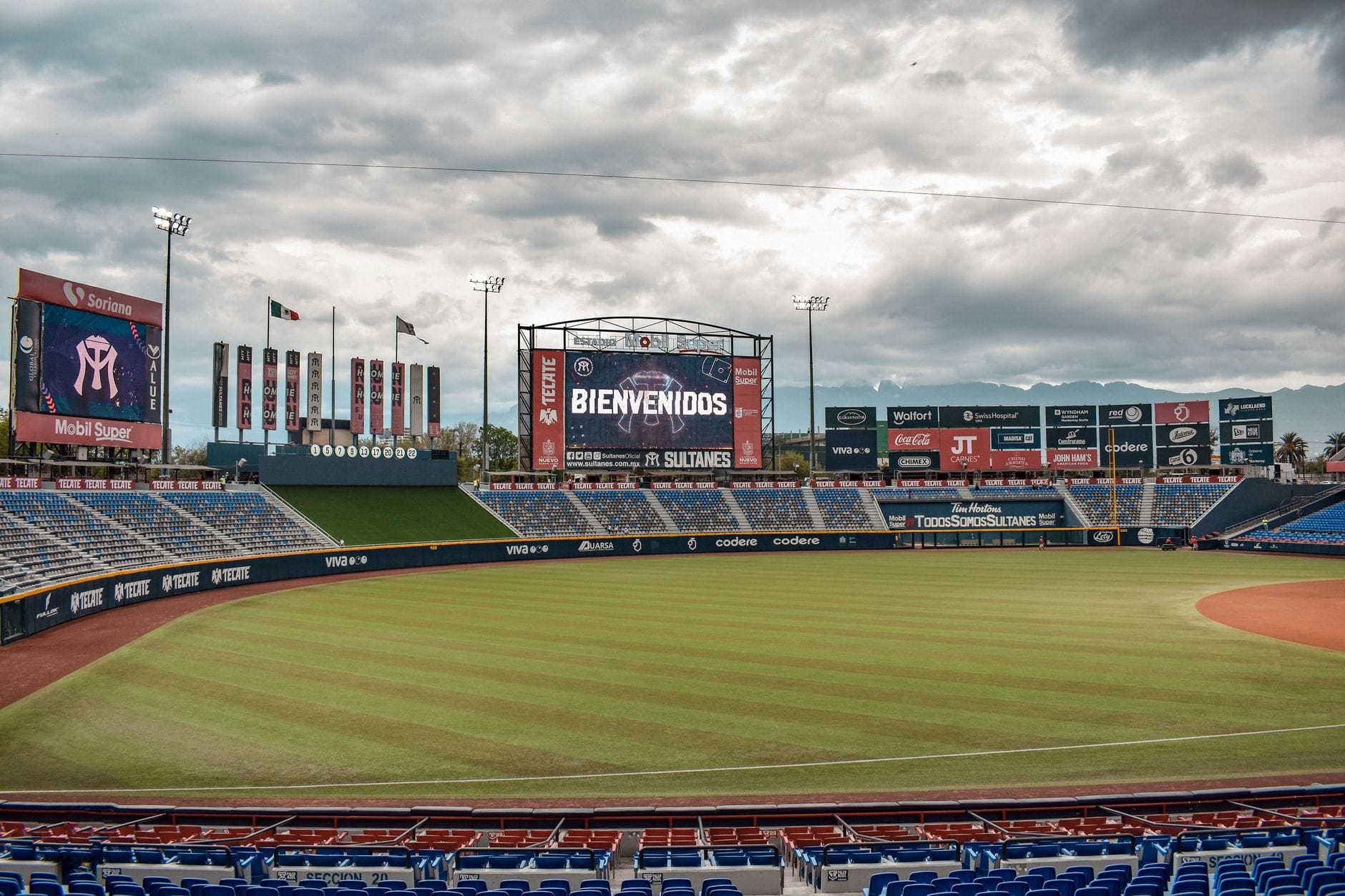
Diageo identifies the 2026 FIFA World Cup as a critical growth lever to counter a slump in US spirits demand. The event offers a major platform for its Scotch portfolio, while ready-to-drink products are a secondary focus for recovery.
{"html":"
Diageo Flags World Cup as Critical Growth Lever Amid US Spirits Slump
Diageo, the London-listed spirits giant whose portfolio spans Johnnie Walker, Talisker, Lagavulin and a clutch of other Scotch marques, has identified the 2026 FIFA World Cup as a pivotal commercial opportunity as the company continues to wrestle with softening demand across the United States spirits market. Senior leadership addressed the firm's recent underperformance in North America head-on, while pointing to major sporting events and the ready-to-drink category as two of the more credible engines available to drive volume recovery. For the whisky trade, the significance here is straightforward: when Diageo's Scotch revenues falter, the ripple effects touch everything from blended malt pricing to distillery investment cycles.
The US Slowdown in Detail
North America remains Diageo's single most important market, and the deterioration there has been sharper than many analysts anticipated. Consumer confidence in the United States has been squeezed by persistent inflation and a broader pullback in discretionary spending, and premium spirits — including Scotch whisky — have not been immune. Diageo's organic net sales figures have reflected this pressure, with the US dragging on overall group performance through the back half of 2025 and into early 2026. The company has been candid that a swift, structural recovery is not guaranteed, and that near-term growth will depend on specific catalysts rather than a broad market rebound.
The slowdown also arrives at an awkward moment for the wider Scotch category. Inventory levels across the US three-tier distribution system remain elevated following the post-pandemic overstocking cycle, and retailers have been cautious about committing to fresh orders while existing stock moves through. For cask investors and independent bottlers who rely on healthy secondary demand signals from the US, this is a market worth watching closely. Diageo's own commentary on when destocking normalises will carry weight beyond its own brands.
The World Cup Rationale
Diageo's leadership described the 2026 World Cup — co-hosted across the United States, Canada and Mexico — as "critically important" to the company's commercial plans. The tournament, which will be the largest in FIFA history with 48 competing nations, offers Diageo an exceptional platform for its spirits portfolio across three of its key markets simultaneously. Johnnie Walker, as a long-standing FIFA partner, is positioned to benefit most directly from tournament-linked activations, on-trade visibility and travel retail exposure. The brand's global recognition and its historical association with football mean Diageo enters this cycle with pre-built equity rather than starting from scratch.
The logic is sound from a trade perspective. Major international sporting events have historically produced measurable uplifts in blended Scotch volumes, particularly through duty-free and travel retail channels. With millions of international visitors expected to move through US airports and stadium precincts throughout the summer of 2026, Diageo's window for on-the-ground activation is genuinely significant. Whether that translates into sustained consumption growth or a short-term spike remains the more important question for anyone assessing Scotch's medium-term trajectory in North America.
RTDs and Their Whisky Implications
Alongside the World Cup, Diageo flagged ready-to-drink products as a secondary growth driver. The RTD category has expanded aggressively across the US and several Asian markets, and Diageo has invested in whisky-based RTD formats under various brand umbrellas. For the Scotch trade specifically, RTDs present a double-edged picture. On one hand, they bring new consumers into contact with whisky flavour profiles at accessible price points, potentially building a pipeline of future single malt and blended malt buyers. On the other hand, heavy RTD investment can dilute the premium positioning that underpins cask valuations and collector interest at the top end of the market.
Why It Matters for the Whisky Trade
Diageo's strategic choices carry outsized influence on the broader Scotch whisky sector. The company controls a significant share of aged malt production capacity in Scotland, and its investment decisions — in distilleries, in marketing, in category development — shape the environment in which independent producers, cask brokers and collectors operate. A Diageo that is leaning hard into event-driven volume plays and RTD formats is signalling something about where it sees near-term margin opportunity, and that is worth reading carefully against the backdrop of the current cask market.
For serious trade observers, the more granular question is whether the World Cup bounce, if it materialises, will be sufficient to clear the US inventory overhang and restore distributor confidence in premium Scotch allocations. If it does, the downstream effect on aged stock pricing and independent bottler sourcing costs could be meaningful. If it does not, Diageo — and the category more broadly — faces a longer period of recalibration in what remains whisky's most lucrative export destination. Either outcome will be felt well beyond the walls of Diageo's Menstrie headquarters.
Frequently Asked Questions
Why is the US market so important to Diageo's Scotch whisky business?
The United States is the world's largest and most valuable export market for Scotch whisky by value. Diageo derives a substantial portion of its global spirits revenue from North America, and its Scotch brands — particularly Johnnie Walker — command premium pricing there. A sustained US slowdown therefore affects not just Diageo's revenues but the broader confidence of the Scotch industry in its most profitable channel.
How does the 2026 FIFA World Cup benefit Diageo specifically?
Diageo holds a long-term commercial partnership with FIFA through Johnnie Walker, giving it official brand visibility across tournament venues, broadcast platforms and travel retail. With the 2026 tournament hosted across the US, Canada and Mexico — three key Diageo markets — the company has an unusually concentrated opportunity to activate its Scotch portfolio where it most needs volume recovery.
What is the current US spirits inventory overhang and why does it matter?
Following the pandemic-era surge in at-home spirits consumption, US distributors and retailers ordered heavily to meet demand. When consumption normalised, the trade was left with excess stock. Until that inventory clears, retailers are reluctant to place fresh orders, suppressing near-term demand signals for producers and making it harder to assess genuine underlying consumption trends for Scotch whisky.
How do Diageo's RTD investments affect the wider Scotch whisky market?
Whisky-based RTDs can broaden the consumer base for Scotch flavour profiles, but they also absorb capital and brand equity that might otherwise support premium single malt positioning. For cask investors, the concern is whether heavy RTD activity dilutes the premium narrative that sustains high valuations for aged and rare Scotch stock at auction and in the private cask market.
What should cask investors watch for following Diageo's commentary?
The key indicators are US distributor restocking timelines, Johnnie Walker travel retail volume data post-World Cup, and any Diageo announcements around distillery production adjustments. A genuine recovery in US Scotch demand would likely support broader cask market confidence, while continued softness could put pressure on asking prices for younger, blending-grade stock in particular.