Witchmark Distillery in Wiltshire has filled its 1000th whisky cask just 18 months after starting production. This significant stockpile provides options for future releases and cask sales, positioning the distillery in the competitive English whisky market.
The News
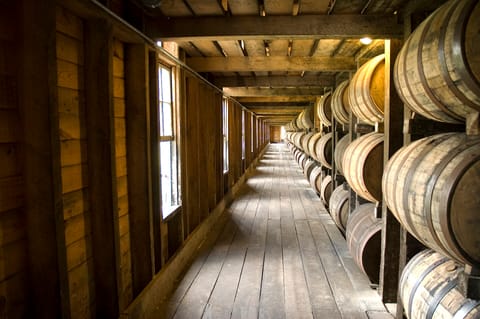
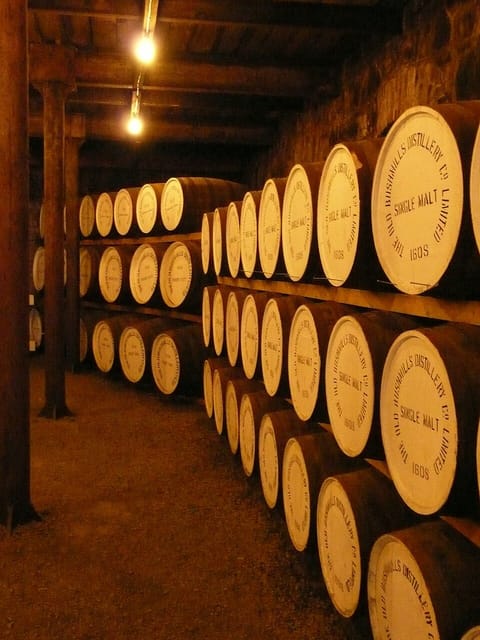
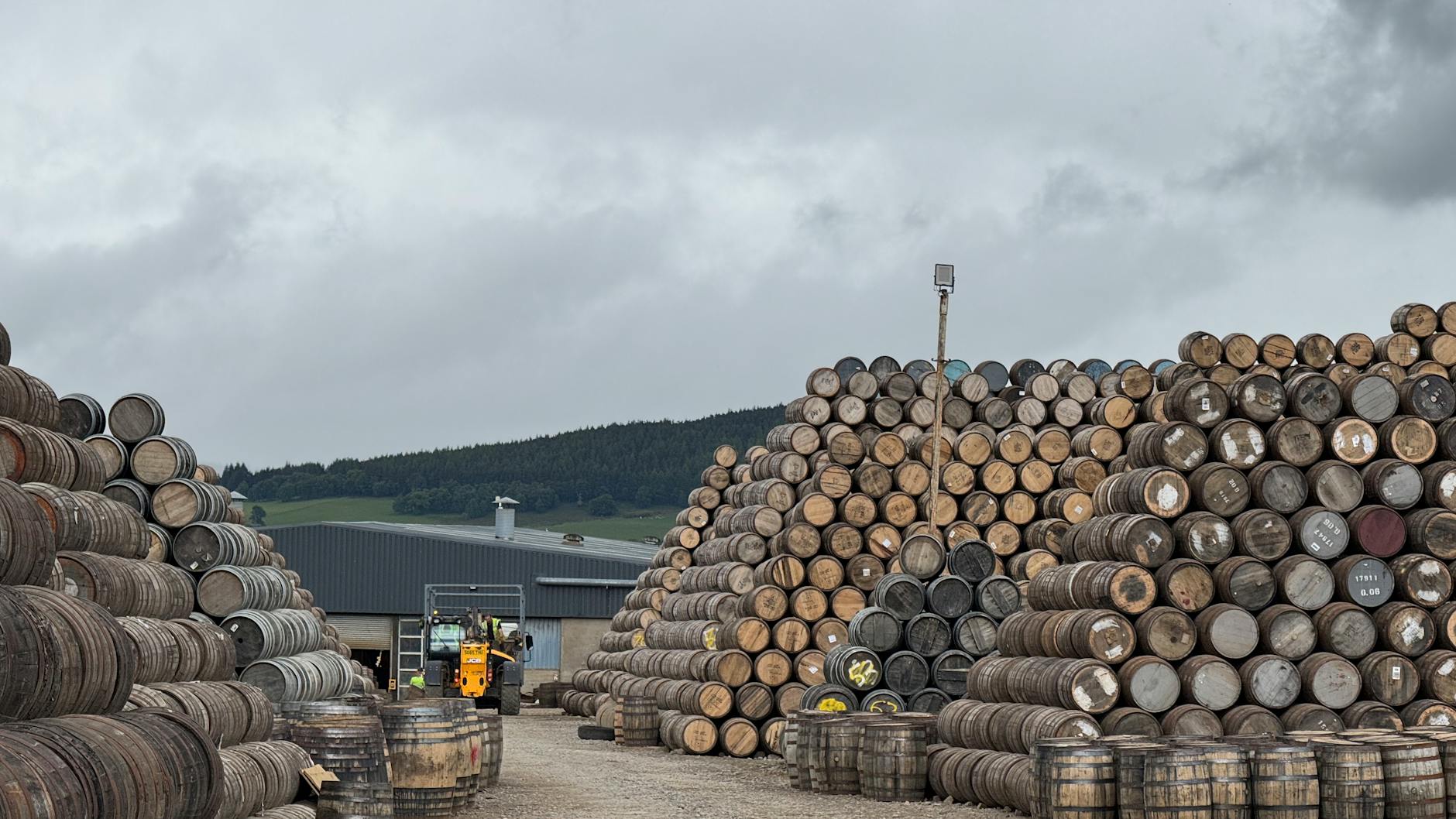
Wiltshire-based Witchmark Distillery has reached a significant production milestone, filling its 1,000th cask of English whisky just eighteen months after beginning distillation. For a young operation still building its identity and inventory, four figures on the cask ledger represents a meaningful threshold — one that signals the distillery is accumulating enough stock to think seriously about future releases, trade relationships, and the longer-term positioning of its liquid in what remains a fiercely competitive English whisky market. The pace at which Witchmark has reached this point suggests a production operation running at genuine commercial ambition rather than artisan hobby scale.
Trade Context
Witchmark Distillery is located in Wiltshire, a county not historically associated with whisky production but increasingly part of England's expanding distilling geography. The distillery sits within a broader wave of English whisky producers who have come to market over the past decade, many of them betting on provenance, terroir-led grain sourcing, and the growing consumer appetite for domestic alternatives to Scotch. Eighteen months of production at a rate sufficient to fill 1,000 casks indicates a throughput that, while modest by Scottish industry standards, is substantial for an English newcomer still in its foundational phase. The average first-fill bourbon barrel holds roughly 200 litres, meaning Witchmark has potentially laid down somewhere in the region of 200,000 litres of new make spirit — a figure that gives the distillery genuine options when it comes to release strategy over the next three to five years.
- Producer / Distillery: Witchmark Distillery, Wiltshire, England
- Category: World Whisky — English Single Malt
- Market implication: Accumulating inventory positions Witchmark to enter the cask sales and private ownership market, as well as to plan credible first release timings aligned with the three-year minimum maturation requirement under English whisky regulations.
Production and Maturation Outlook
English whisky, like Scotch, must mature for a minimum of three years in oak casks before it can legally be called whisky. Witchmark began production approximately eighteen months ago, meaning its earliest-filled casks are approaching the halfway point of that legal minimum. The distillery will be watching maturation progress closely, particularly given that Wiltshire's climate — warmer and drier than the Scottish Highlands — may accelerate wood interaction and colour pickup, potentially producing a more forward spirit at the three-year mark than a comparable Scottish new make would deliver. This climatic variable is something English distillers have increasingly leaned into as a point of differentiation, and Witchmark will likely follow suit in its eventual marketing narrative.
Cask selection and wood policy at this stage will have a disproportionate influence on the distillery's reputation once bottles finally hit the market. Whether Witchmark has opted primarily for first-fill ex-bourbon, STR casks, ex-sherry, or a combination will shape not only the flavour profile of its first release but also the story it can tell to trade buyers, independent bottlers, and private cask investors who are increasingly looking beyond Scotland for emerging-market opportunities.
The English Whisky Market in 2026
The English whisky category has matured considerably since The English Whisky Company first put the style back on the map in the mid-2000s. Producers including Bimber, The Lakes, Cotswolds, and Adnams have collectively raised the profile of the category both domestically and in export markets, with several bottlings now achieving serious attention at auction. Witchmark enters a market that is better understood by consumers and trade buyers than it was even five years ago, but also one where expectations around quality and consistency have risen accordingly. Reaching 1,000 casks in eighteen months suggests the distillery is not treating this as a slow-burn side project — it is building inventory with intent.
Why It Matters
For cask investors and trade buyers watching the English whisky space, Witchmark's milestone is a useful signal about the distillery's operational seriousness and its timeline to first release. A producer with 1,000 casks in warehouse has options: it can offer private cask ownership, court independent bottlers, or hold its stock for a controlled direct-to-consumer debut. Each path carries different implications for secondary market values and brand equity down the line. The distillery is still young enough that its trajectory remains genuinely open, but the speed of accumulation suggests that those with an eye on emerging English whisky producers should be paying attention to what comes out of Wiltshire over the next eighteen to thirty-six months.
Frequently Asked Questions
How many casks has Witchmark Distillery filled?
Witchmark Distillery has filled its 1,000th cask of English whisky.
How long has Witchmark Distillery been in production?
The distillery has been in production for approximately eighteen months.
What does filling 1,000 casks mean for Witchmark's future?
It provides substantial inventory for planning future bottle releases, entering the cask sales market, and building trade relationships.
What is the minimum maturation time for English whisky?
Like Scotch, English whisky must mature for a minimum of three years in oak casks.
How does Wiltshire's climate affect whisky maturation?
Wiltshire's warmer, drier climate may accelerate wood interaction compared to Scotland, potentially creating a more forward spirit at the three-year mark.