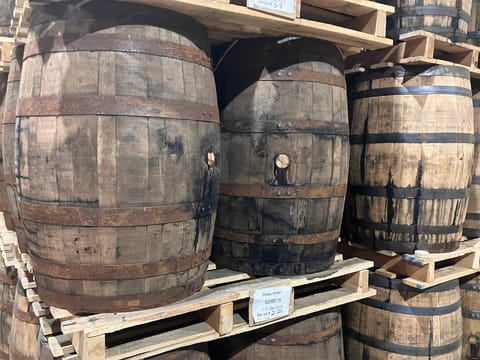
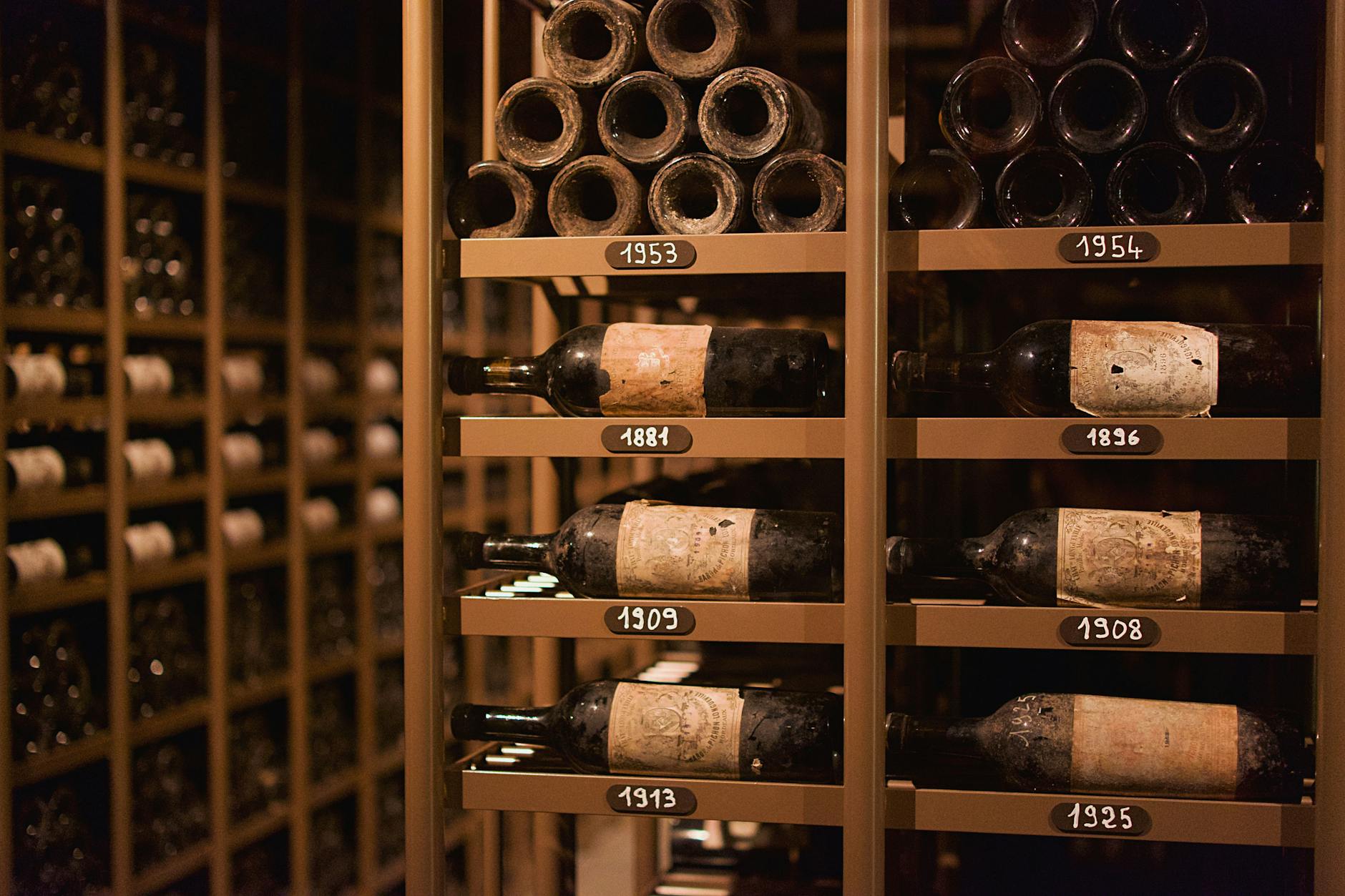
The 2026 whisky auction market shows stabilization after correction. Single cask, cask-strength releases from closed/limited distilleries outperform. Data reveals key drivers: provenance, cask type, and distillery reputation. Asian bidders now significantly influence high-value lots.
What Is Driving the 2026 Whisky Auction Market After Ten Years of Growth?
Ten years of structured secondary market data now sits behind the whisky auction trade, and the picture it paints is sharper than any single sale result. The 2026 auction season is opening with a confluence of forces that serious cask investors and collectors should be tracking closely: tightening allocations from distilleries including Springbank in Campbeltown and Glenfarclas in Speyside, a recalibration of aged stock pricing after the 2023–2024 correction, and renewed institutional appetite for single cask releases bottled at cask strength, typically between 55% and 65% ABV. The first decade of modern whisky auction data is not a nostalgia exercise — it is a forward-looking pricing tool for anyone active in the cask market today.
If you hold casks, trade allocated bottles, or advise clients on whisky assets, the structural patterns emerging from a decade of hammer prices directly affect your exit strategy and your acquisition logic. Platforms such as Whisky Auctioneer, based in Perth, Scotland, and Rare Whisky 101, whose indices are cited by trade desks across London and Hong Kong, have accumulated enough longitudinal data to distinguish noise from signal. What that signal says about 2026 is worth ing in detail.
How Has the Auction Landscape Changed Over the Past Decade?
The whisky auction market has matured from a niche hobbyist channel into a regulated, data-rich secondary market with institutional participants. According to data from Rare Whisky 101, the Apex 1000 index — tracking the 1,000 most sought-after Scotch whisky bottles — appreciated by over 400% between 2013 and its 2022 peak, before entering a measured correction phase through 2023 and 2024. That correction, running approximately 18–22% from peak values depending on category, has now largely stabilised, with aged single malts above 25 years and independently bottled releases showing renewed buyer confidence in early 2026 auction rounds.
The category breakdown matters enormously for trade readers. Single cask, cask-strength releases from closed or limited-production distilleries have consistently outperformed blended malt and standard age-statement expressions in secondary market returns. Closed distilleries such as Port Ellen on Islay and Brora in the Northern Highlands — both now partially reopened under Diageo's ownership — continue to command premiums of 300–500% above original retail on verified bottles. Meanwhile, active distilleries with strong independent bottler relationships, including Benrinnes and Caol Ila, are seeing healthy mid-market demand for 18-to-25-year expressions in ex-bourbon hogsheads and first-fill sherry butts.
"A decade of auction data confirms what serious traders have always suspected: provenance, cask type, and distillery reputation are the three variables that explain the majority of secondary market price variance." — Whisky Bulletin trade analysis, 2026
The shift toward online-only auction formats, accelerated by the 2020–2021 period, has permanently altered buyer geography. Bidders from Southeast Asia, particularly Singapore and Hong Kong, now account for a material share of high-value lots. This geographic diversification has reduced the market's dependence on the traditional UK and US collector base, adding a structural floor to premium lot pricing.
Which Cask Types and Age Statements Are Performing Best in 2026?
Performance in the current market is not uniform, and that unevenness creates both opportunity and risk. Based on early 2026 auction results and pre-sale estimates from major platforms, the following categories are showing the strongest momentum:
- Single cask Scotch, 30 years and above, ex-sherry butt, cask strength (58–65% ABV): Consistently achieving 15–25% above low estimate, particularly from Speyside and Highland distilleries with strong independent bottler pedigrees.
- Islay single malts, 15–25 years, ex-bourbon hogshead, limited release: Recovering strongly after a 2024 softening, with Ardbeg and Laphroaig committee releases leading buyer interest.
- Japanese single malt, 12–18 years, from Nikka Whisky Distilling Co. and Suntory: Demand remains elevated but supply-constrained, with age-stated expressions from Yoichi and Hakushu distilleries attracting significant pre-sale interest.
- Independent bottlings from SMWS (Scotch Malt Whisky Society) and Gordon & MacPhail: Collector-grade single casks with full cask records are outperforming house bottlings in the same age bracket.
- American single barrel bourbon, 10–15 years, from Buffalo Trace Distillery and Willett Distillery: Gaining traction at auction as allocated expressions remain difficult to source at retail.
The common thread across all outperforming categories is verifiable provenance and limited production volume — factors that no amount of marketing spend can replicate. Buyers in 2026 are demonstrably more sophisticated about cask records, distillation dates, and bottling runs than they were at the start of the decade.
What Does This Mean for Cask Investors Entering or Exiting the Market Now?
Cask investors face a more nuanced environment in 2026 than at any point in the past decade. The era of broad-market appreciation — when almost any Scotch single malt cask purchased before 2018 would show a healthy return by 2022 — is over. What has replaced it is a bifurcated market where quality, documentation, and distillery reputation determine outcomes far more decisively than simple age accumulation. Master distillers and distillery owners matter more than ever: the identity of the production team and ownership structure behind a cask directly affects its secondary market credibility.
For those holding casks with Scotch Whisky Experience-registered warehouses or through bonded storage operators in Scotland, the 2026 auction calendar presents genuine exit windows. Key auction houses including Bonhams and McTear's in Glasgow are scheduling dedicated cask and single-bottle sale events through Q2 and Q3 2026. Sellers with well-documented first-fill sherry butt or ex-bourbon hogshead casks from distilleries with strong independent bottler relationships should be engaging auction specialists now, ahead of the summer catalogue deadlines. Buyers, conversely, should be watching for distressed private sale inventory — a segment that tends to surface when over-leveraged collectors need liquidity and prefer a private transaction to a public hammer price.
Regulatory context also bears watching. The Scotch Whisky Association (SWA) continues to enforce geographic indication rules that directly affect how casks can be marketed and sold across borders, particularly into EU markets post-Brexit. Any cask investor with cross-border exposure should verify their documentation is current and compliant before listing.
What to Watch: Key Dates and Forward Signals for the 2026 Whisky Auction Season
The second half of 2026 will be shaped by several converging developments that trade readers should monitor closely. The reopened Brora Distillery under Diageo's stewardship is expected to release its first post-revival aged expressions, which will test whether the market prices new-era Brora at parity with pre-closure stock or at a discount — a pricing signal with broad implications for revival distillery valuations. Gordon & MacPhail, the Elgin-based independent bottler and distillery owner, has signalled further releases from its generational cask programme, including expressions exceeding 50 years in wood, which historically set benchmark prices for ultra-aged Scotch at auction.
, the ongoing maturation cycle means that whisky distilled during the 2006–2010 production surge — when numerous new Scottish and Irish distilleries came online — is now entering its 15-to-20-year window. This cohort of maturing stock will begin appearing at auction in volume over the next 24 months, and early pricing will establish reference points for an entirely new generation of aged single malts. Cask investors and collectors who understand the production histories of these newer distilleries will have a meaningful information advantage over generalist buyers.
For trade readers, the immediate action is clear: audit your current holdings against the category performance data above, engage your auction specialist before Q2 2026 catalogue deadlines, and track the Rare Whisky 101 Apex indices monthly for early signals of the next directional move. The decade of data is now long enough to be genuinely predictive — use it.
Frequently Asked Questions
What is the Rare Whisky 101 Apex 1000 index?
The Rare Whisky 101 Apex 1000 index is a performance benchmark that tracks the secondary market auction prices of the 1,000 most actively traded Scotch whisky bottles. It is used by collectors, cask investors, and trade analysts to measure overall market direction and category-level price movements.
How does cask type affect whisky auction prices?
Cask type is one of the primary determinants of secondary market value. First-fill ex-sherry butts and ex-bourbon hogsheads from named cooperages, with documented fill dates and distillery records, consistently achieve higher hammer prices than refill or undocumented casks. The flavour profile, colour, and provenance associated with specific cask types are well understood by serious auction buyers.
Which distilleries are currently generating the strongest auction results in 2026?
Based on early 2026 auction data, Springbank, Ardbeg, Laphroaig, Glenfarclas, and Japanese distilleries including Yoichi and Hakushu are generating strong results. Closed-distillery bottlings from Port Ellen and pre-revival Brora continue to command significant premiums. Independent bottlings from Gordon & MacPhail and the Scotch Malt Whisky Society are also outperforming standard house releases in comparable age brackets.
What regulatory issues should cask investors watch in 2026?
The Scotch Whisky Association continues to enforce geographic indication and labelling rules that affect cross-border cask sales, particularly into EU markets. Investors holding casks intended for export should ensure their documentation is fully compliant with current SWA regulations and post-Brexit trade frameworks before initiating any sale process.
How do I know when to sell a whisky cask at auction?
The optimal exit window depends on age statement, distillery reputation, cask type, and current market demand in your target category. Engaging an auction specialist at least 90 days before a planned sale allows time for cataloguing, provenance verification, and pre-sale marketing. Monitoring category-level indices such as the Rare Whisky 101 Apex 1000 provides advance warning of price direction shifts.