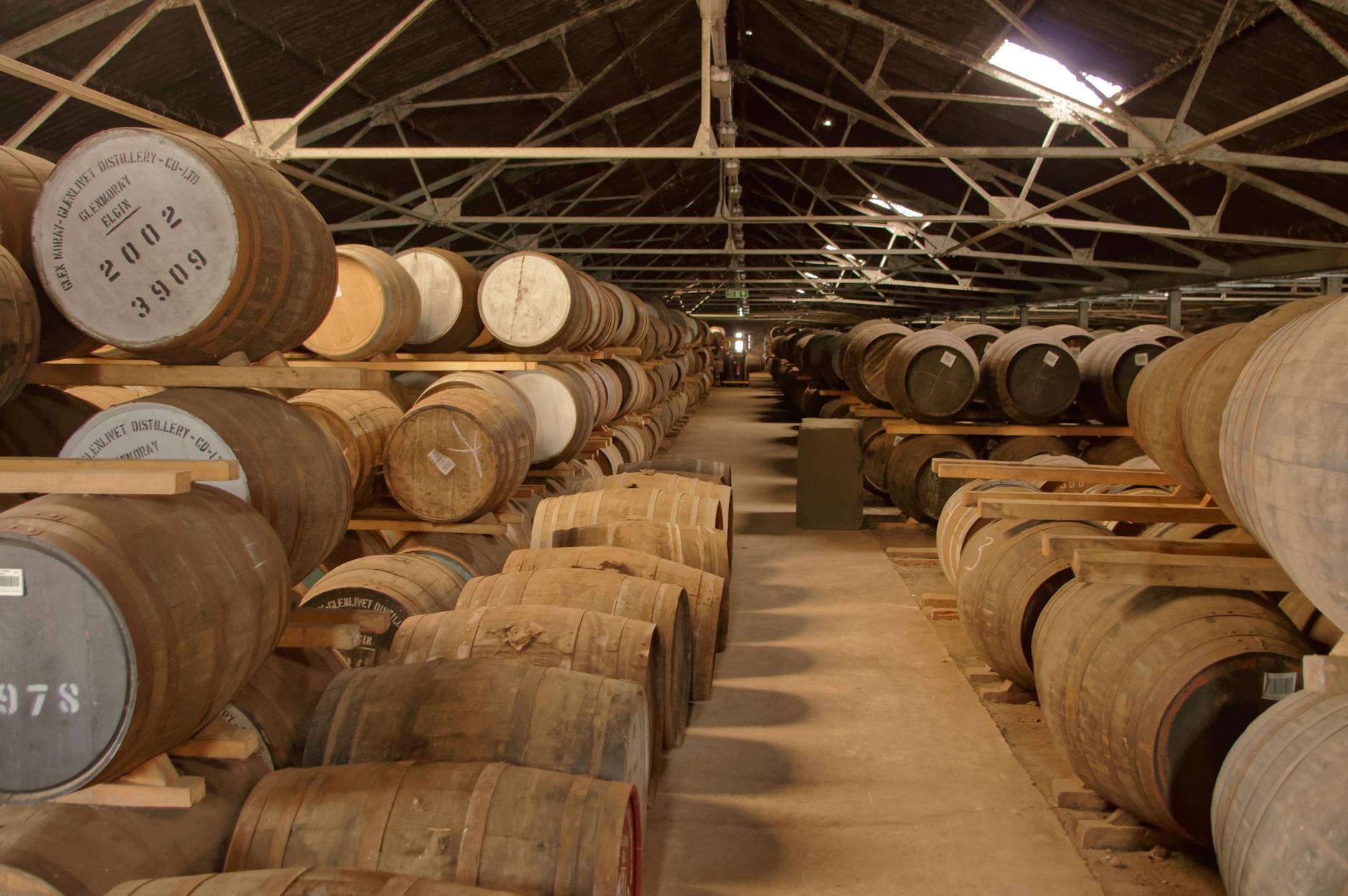
Suntory's $1.6bn pharma acquisition signals major spirits firms may diversify due to slowing growth. This could reduce investment in distilleries and impact cask markets, as producers face consumer pullback in key markets like the US and China.
Why Spirits Diversification Is Now a Real Strategic Question
Suntory Holdings, one of the most powerful forces in global whisky — owner of Yamazaki, Hakushu, Hibiki, Bowmore, Laphroaig, Auchentoshan and the Jim Beam bourbon portfolio — has committed approximately $1.6 billion to acquire a pharmaceutical company in Japan. The deal is not a whisky play. It is a deliberate move into an entirely separate sector, and that is precisely what makes it significant for anyone with a serious interest in the spirits trade. When a company of Suntory's scale starts deploying that level of capital outside its core category, it is worth asking what that signals about confidence in spirits growth over the medium term.
Suntory is not alone in facing headwinds. The post-pandemic normalisation of on-trade spending, combined with inflationary pressure on consumer budgets and a measurable pullback in premium discretionary purchases across key markets including the United States, has cooled what was, until recently, a remarkable decade-long growth run for premium and super-premium whisky. Volume data from both Scotch Whisky Association exports and US Distilled Spirits Council shipment figures have shown deceleration. The question is no longer whether the slowdown is happening — it is how long it lasts and how the majors respond.
Trade Context
Suntory's move is the most visible example, but the broader strategic picture across the major spirits groups has been shifting for some time. Diageo, which controls Johnnie Walker, Caol Ila, Lagavulin, Talisker and a vast portfolio of blended and single malt Scotch, has been under pressure from investors after a significant profit warning tied to Latin American destocking. Pernod Ricard, owner of The Glenlivet, Aberlour and Chivas Regal, has similarly flagged volume softness in China and the US. These are not minor tremors — they are structural signals that the category's premium growth story is being tested in its most important markets simultaneously.
- Producer: Suntory Holdings (Yamazaki, Hakushu, Bowmore, Laphroaig, Jim Beam)
- Category: Japanese Whisky, Scotch, Bourbon
- Market implication: Capital reallocation away from spirits core at the conglomerate level may reduce investment in distillery expansion, cask maturation programmes, and new whisky brand development over the next three to five years
For the independent bottler sector and the cask investment market, this matters in concrete ways. If the majors are directing M&A firepower toward non-spirits acquisitions, the pipeline of large-scale distillery builds and capacity expansions — which had been running hot through the early 2020s — may slow. Several Scottish distilleries that had announced expansion programmes in recent years, including significant grain and malt capacity investments, could find internal capital approval harder to secure in a more cautious group environment.
What This Means for Cask Investors and the Independent Trade
The cask market has already been recalibrating. After the frenzied secondary market activity of 2021 and 2022, values on a range of new-make and young cask stock have softened, particularly for less-established distilleries where the exit route to trade buyers or blenders is less certain. If the majors are tightening their belts and diversifying away from spirits, the appetite to acquire independent stock or fund speculative distillery projects is unlikely to improve in the short term. Cask investors holding stock from well-capitalised, established distilleries with clear route-to-market are in a materially different position to those holding stock from newer operations dependent on trade buyer interest.
There is also a longer-term question about what diversification does to the identity and strategic focus of the major whisky houses. Suntory built its global reputation on whisky — on the meticulous craft of Yamazaki, on the prestige of aged Japanese single malts, on the careful blending tradition that underpins Hibiki. A pharmaceutical acquisition does not dilute that heritage overnight, but it does indicate a boardroom that is thinking about the business differently. For the trade, that shift in corporate orientation is worth monitoring closely, particularly as it relates to decisions around distillery investment, aged stock release strategy, and pricing discipline at the top end of the market.
Frequently Asked Questions
Why is Suntory buying a pharmaceutical company?
Suntory Holdings is diversifying its revenue base beyond alcohol at a time when global spirits volumes are under pressure. The $1.6bn pharmaceutical acquisition in Japan reflects a strategic decision to reduce dependency on spirits growth and seek returns in a sector with different demand dynamics. It is a capital allocation decision driven by corporate risk management rather than any weakness in the whisky brands themselves.
How does spirits market softness affect Scotch whisky cask investors?
When major producers face volume headwinds and redirect capital away from spirits, demand for independent cask stock can soften. Blenders and trade buyers become more selective, and speculative cask investments in less-established distilleries carry higher risk. Casks from well-known, high-demand distilleries with strong secondary market history are more insulated, but the overall environment for new-make and young cask exits becomes more competitive.
Are other major spirits groups also diversifying outside alcohol?
Not in the same direct way as Suntory's pharmaceutical move, but Diageo and Pernod Ricard have both been managing portfolio rationalisation and facing investor scrutiny over growth projections. The broader trend is one of capital discipline rather than aggressive expansion — which in practice means fewer large distillery builds, tighter acquisition criteria, and more focus on existing brand performance over new category bets.
Does this signal a long-term decline in premium whisky investment?
Not necessarily. The premium and ultra-premium end of the whisky market — aged single malts, limited releases, distillery exclusives — continues to demonstrate resilience at auction and in private sales. The slowdown is most visible in volume-driven, mid-tier spirits. However, if the majors reduce long-term cask maturation investment now, the supply of premium aged whisky in ten to fifteen years could tighten, which historically supports values for those holding well-provenanced casks today.