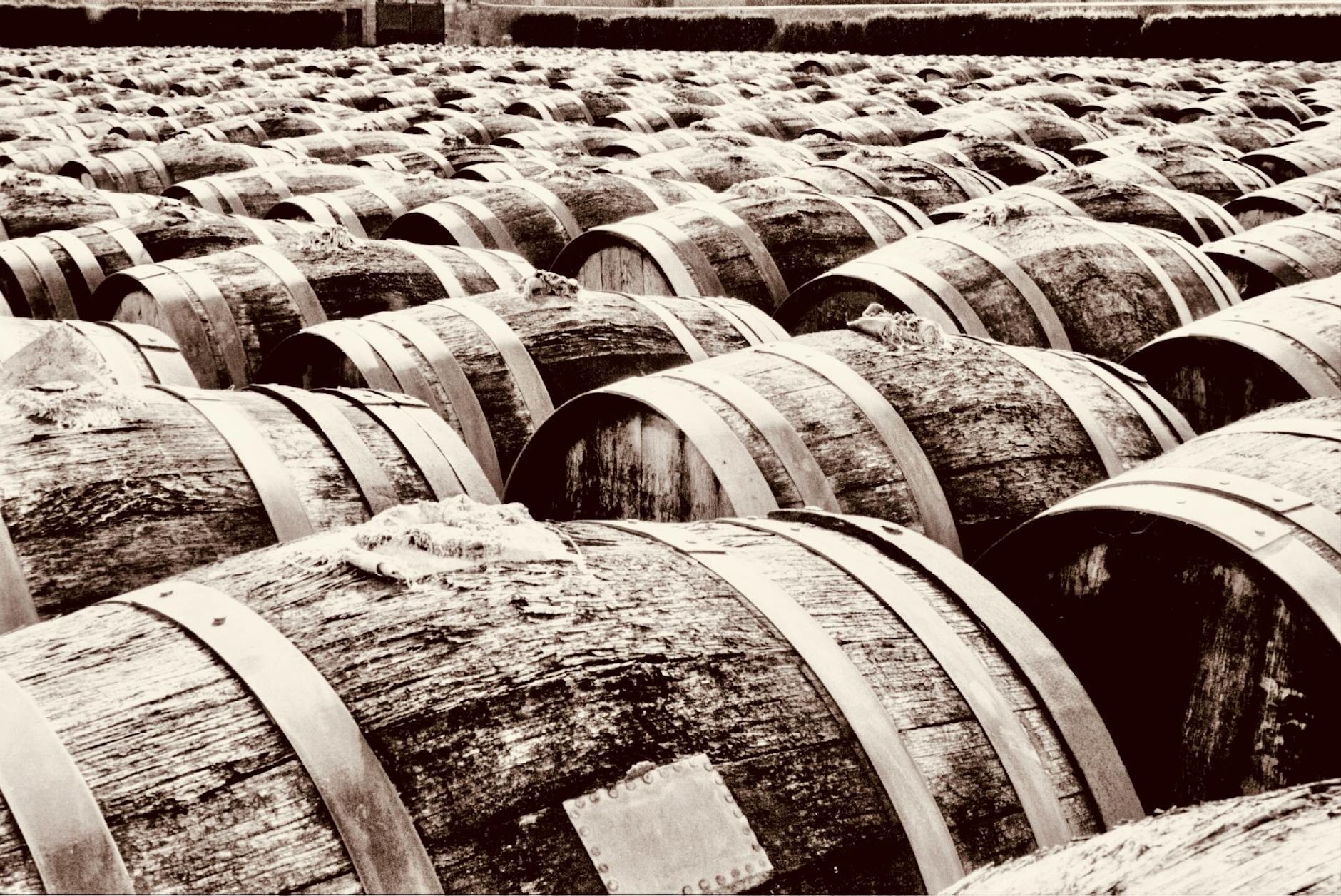
The article argues whisky casks are a superior long-term investment to bottles, offering 10-25% annual returns. Casks appreciate as the spirit matures and supply decreases, with secure storage in bonded warehouses. Bottles offer quicker, more volatile profits.
Casks are a novel investment vehicle for whisky enthusiasts. Historically, only those connected to the alcohol industry could acquire casks directly from the major distillers.

Brokers like London Cask Traders, one of the largest suppliers of whisky barrels, are making it more straightforward for anybody to cash in on this lucrative industry.
London Cask Traders’ Director and Founder Mark Biss are confident in the value of casks as an asset. He claims, “Because whisky barrels were not historically traded on the open market, their introduction has meant they may grow in value extremely fast. The secondary market means you may recoup your investment in a barrel within a reasonable amount of time, and it’s been shown repeatedly that casks only improve in value as they age.
Casks are preferable to bottles because they are stored in government-run bonded, climate-controlled, and fully insured warehouses.
Also, bottles are less likely to contain counterfeit whisky, which luckily occurs extremely seldom. However, this ensures that the product you receive is genuine.
Investors may earn a quick profit on bottles, making them similar to the stock market in this regard.
But Mark elaborates, “With barrels, with time, they naturally rise in value.” There are primarily two reasons for this. The first is that its flavor matures as the spirit ages in the oak barrel. Second, the supply will naturally decrease as additional casks are bottled and consumed, increasing the value of your barrel every year. Even if trends come and go, they usually cycle back around, so a barrel from a particular distillery will always be in demand.
It’s common knowledge that investing in a cask may yield a return of 10% to 25% annually, but how do you know which cask to buy?
To be considered Scotch, a freshly filled barrel must age for at least three years. The value of a barrel often rises after five years and then again after fifteen. For those with the patience to wait, the return on investment from a 20-year-old cask of rare whisky is likely to be even greater than that of a 10-year-old.
Mark elaborates, saying, “Whisky is a terrific investment, in whatever form.” The magnificent Scotch spirit is becoming an increasingly popular choice for those seeking peace of mind.
Frequently Asked QuestionsWhat are the main advantages of investing in whisky casks over bottles?
Whisky casks typically offer higher long-term returns (10-25% annually), appreciate as the spirit matures and supply decreases, and are stored securely in government-bonded, insured warehouses, reducing risks like counterfeiting.How long does a whisky cask need to age to increase in value?
A cask's value often rises significantly after 5 years, again after 15 years, with the highest returns likely from rare 20-year-old casks, though Scotch must age at least 3 years.Can individual investors easily buy whisky casks?
Yes, brokers like London Cask Traders now make cask investment accessible to individuals, whereas historically only industry insiders could acquire casks directly from distilleries.What risks are associated with whisky bottle investments?
Bottle investments can yield quick profits but are more volatile, similar to stocks, and while counterfeiting is rare, bottles lack the same secured storage and long-term appreciation guarantees as casks.
Frequently Asked QuestionsWhat are the main advantages of investing in whisky casks over bottles?
Casks offer higher long-term returns (10-25% annually), appreciate as the spirit matures, benefit from decreasing supply, and are stored securely in government-bonded, insured warehouses.How long does a whisky cask need to age to increase in value?
Value often rises after 5 years, again after 15 years, with the highest returns likely from rare 20-year-old casks. Scotch must age at least 3 years.Can individual investors easily buy whisky casks?
Yes, brokers like London Cask Traders now make cask investment accessible, whereas historically only industry insiders could acquire casks directly.What risks are associated with whisky bottle investments?
Bottles can yield quick profits but are more volatile, similar to stocks, and lack the same secured storage and long-term appreciation guarantees as casks.