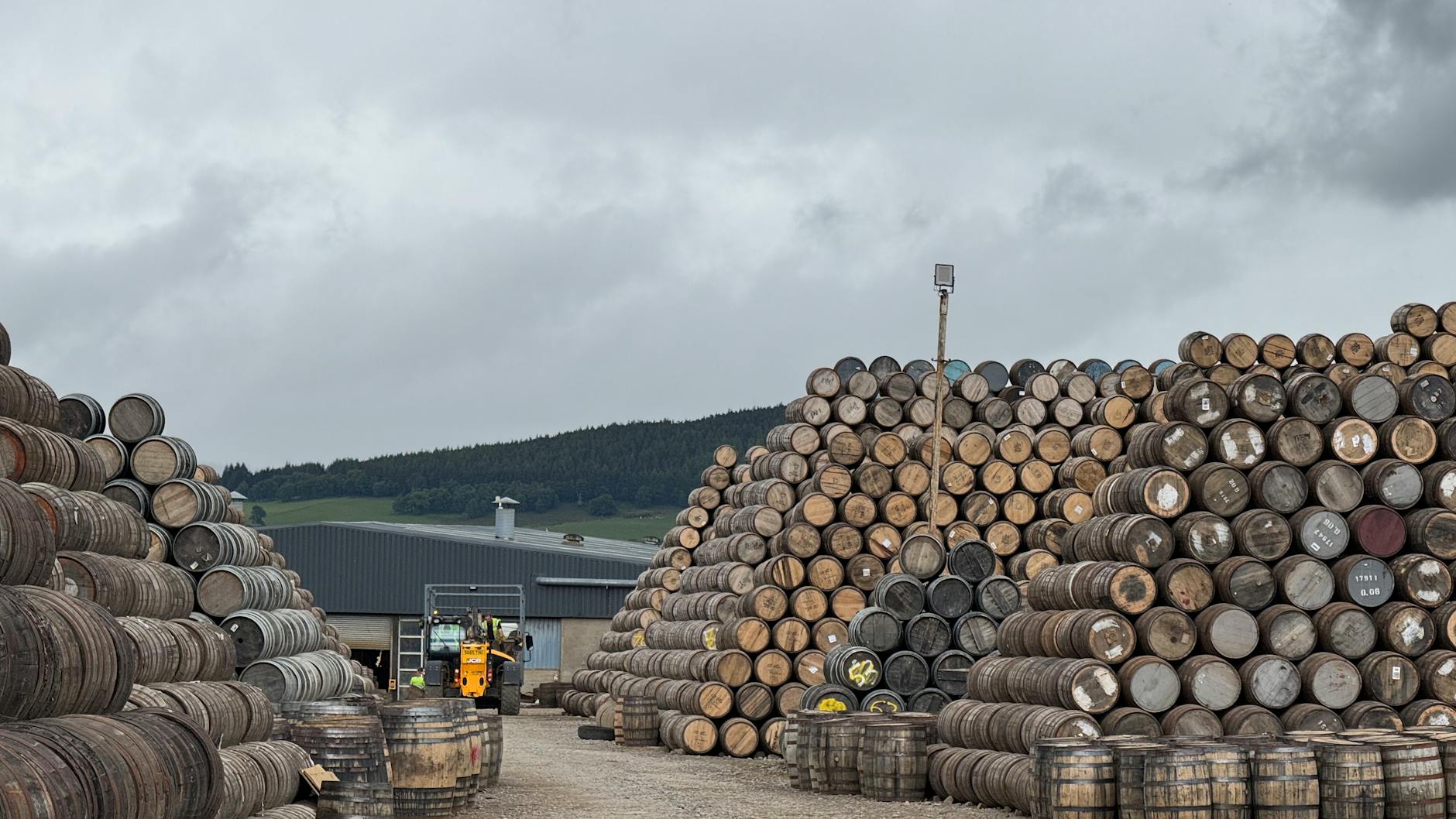
Whisky cask investment involves buying maturing casks. The spirit appreciates and becomes scarcer with age, offering potential high returns. It's a speculative, long-term asset requiring a diversified portfolio and professional guidance due to market risks.

In today’s ever-changing economic landscape, savvy investors are looking beyond traditional avenues to diversify their portfolios and uncover unique opportunities.
Enter the world of whisky cask investments – a distinctive, yet highly lucrative alternative investment that’s been quietly gaining traction. While it may be unfamiliar to some, whisky cask investments boast a rich history and offer a compelling option for those seeking long-term financial growth.
The Appreciation of Whisky Casks
Investing in maturing casks of Scotch whisky presents a fascinating opportunity. Whisky, unlike many assets, matures exclusively within the confines of a cask. Over time, the spirit undergoes a transformation, acquiring nuanced flavors and character. Well-aged whisky, often considered of superior quality, owes its excellence to this gradual maturation process.
According to data from Braeburn Whisky, investors associated with Braeburn Whisky-affiliated firms in Europe and Asia have witnessed impressive annualized net realized rates of return, averaging 31.46% over the past five years, with a median rate of 12.45%. This underscores the potential for substantial returns within the whisky cask investment arena.
The Scarcity of Mature Whisky
As whisky matures, it becomes increasingly scarce. Most Scotch whisky finds its way into blends or single malt expressions at a younger age. In fact, nearly 90% of Scotch whisky is bottled in such forms. This rarity of well-aged whisky contributes to higher market values for older expressions, making whisky cask investments all the more appealing.
Distilleries and Cask Sales
Understanding why distilleries sell their casks is essential to grasp the whisky cask investment landscape. Historically, distilleries have sold a portion of their casks each year, primarily to generate working capital. Investors seize the opportunity to acquire these casks, allowing them to mature before selling them back to the distillery, independent bottlers, or fellow investors.
Additionally, working in collaboration with brands can bolster a distillery’s reputation, particularly in crucial markets like the United States, the largest export destination for Scotch whisky.
Crafting the Ideal Whisky Cask Portfolio
Crafting a robust whisky cask portfolio is a strategic endeavor. Investors may opt to purchase whisky at a young age, benefiting from lower acquisition costs and the potential for substantial returns in the long run. Alternatively, older casks, while requiring a more substantial initial investment, promise consistent, significant monetary gains.
Consider diversifying your portfolio by including emerging whisky brands. Identifying distilleries with growing reputations can lead to lucrative long-term investments. However, expertise is crucial in selecting distilleries likely to thrive.
The Power of Partnerships
Partnerships play a pivotal role in whisky cask investments. These partnerships extend the reach of whisky cask investments to a global audience.
For potential investors, whisky cask investment offers a promising avenue. Building a diversified portfolio over time, encompassing various distilleries, ages, and cask types (such as ex-Bourbon or Sherry), is key. First-time investors are encouraged to work closely with seasoned professionals who can guide them toward constructing an optimal whisky cask portfolio.
Important Regulatory Information
Regulatory framework promotes a secure investment environment, it’s essential to recognize the inherent risks. Whisky cask investments are speculative, subject to market fluctuations, and past performance may not guarantee future results. Moreover, there may be no established resale market for these investments.
For comprehensive details on whisky cask investments and associated risks, refer to the investor subscription documents. Your financial journey begins here – explore the world of whisky cask investments and the potential it holds for your financial future.
Frequently Asked QuestionsWhat are the potential returns on whisky cask investments?
The article cites data showing impressive annualized net realized rates of return, averaging 31.46% over five years, though past performance does not guarantee future results.Why do distilleries sell their whisky casks?
Distilleries sell casks primarily to generate working capital, and investors can later sell the matured whisky back to the distillery, independent bottlers, or other investors.How should a beginner start with whisky cask investing?
First-time investors are encouraged to work with seasoned professionals to build a diversified portfolio across distilleries, ages, and cask types, starting with a clear understanding of the risks involved.What makes older whisky casks more valuable?
As whisky matures, it becomes scarcer because most Scotch is bottled young, and the extended aging process develops superior flavor, driving higher market values for older expressions.
Frequently Asked QuestionsWhat is a whisky cask investment?
It's the purchase of a maturing cask of whisky as an alternative asset, aiming to profit from its appreciation in value as it ages and becomes rarer.Why do distilleries sell whisky casks to investors?
Distilleries sell casks to generate working capital and to build brand reputation in key global markets through partnerships with investors.What are the potential returns on whisky cask investments?
Returns can be significant but vary. Some firms report high annualized rates, though investments are speculative and subject to market fluctuations.How do I start a whisky cask investment portfolio?
Start by diversifying across distilleries, ages, and cask types. First-time investors should seek guidance from seasoned professionals in the field.What are the risks of investing in whisky casks?
They are speculative, illiquid investments subject to market risks, fluctuating demand, and require proper storage and insurance over many years.