
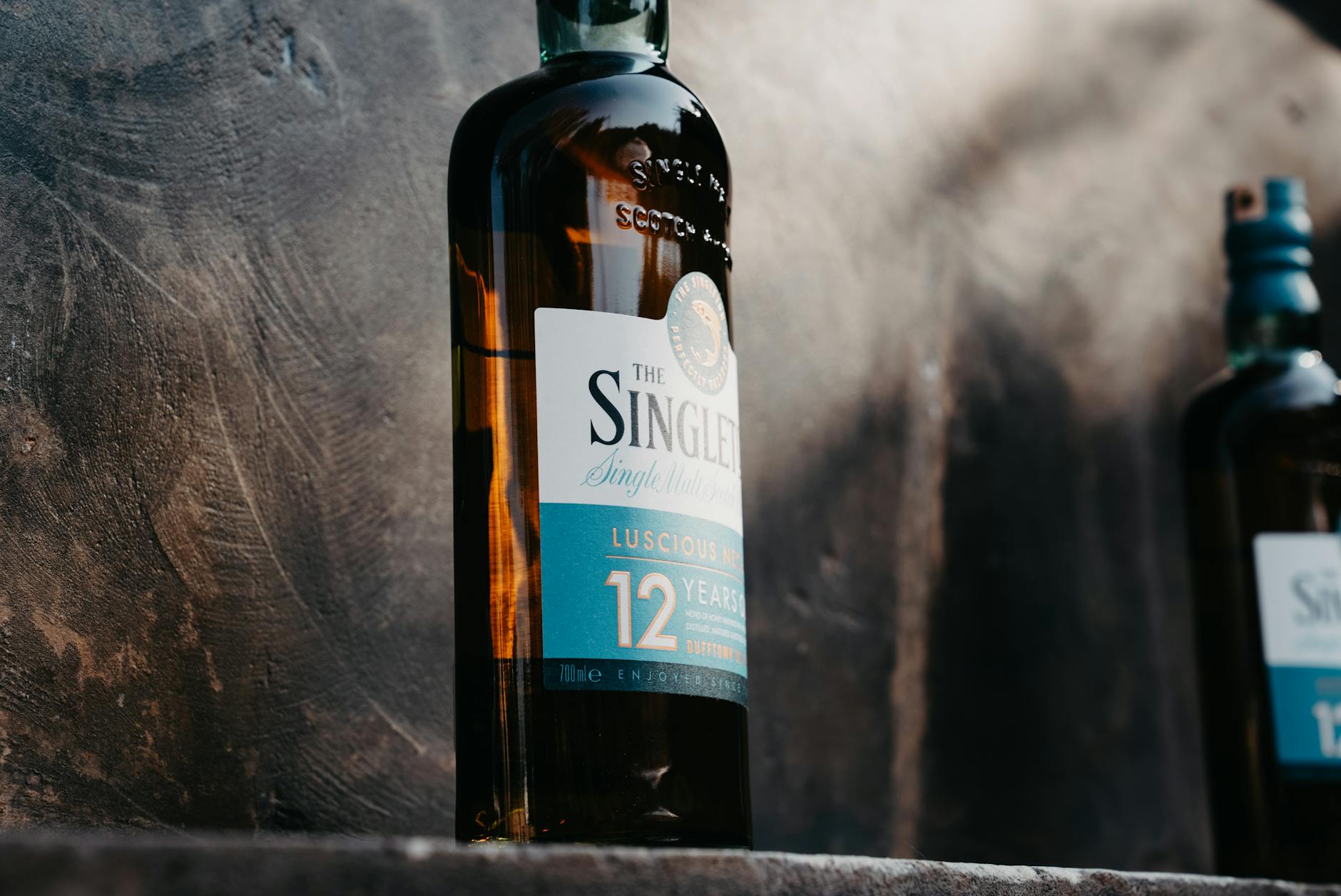
Naming rights determine if you can use a distillery's name when selling or bottling a whisky cask. Without them, you cannot label the whisky with the distillery name, which drastically reduces the cask's market value and bottling profitability. Always secure naming rights in your purchase contract.
‘Naming rights’ is a term we frequently see while interacting with individuals interested in purchasing barrels or who currently own one. Naming rights pertain to whether a private individual or independent bottler is permitted to put the distillery’s name on a bottle of whisky or use the distillery’s name while attempting to sell a cask. If you have acquired a cask, you should determine whether you have name rights. Otherwise, selling or bottling this barrel may be difficult.

Why Should You Obtain Naming Rights?
Highland Park is one of the most prominent distilleries that does not sell barrels with name rights. Therefore, if you acquire a 4-year-old cask of Highland Park without the naming rights and decide to bottle it after eight years, you cannot call the whisky within those bottles “Highland Park” since you lack the rights to use the distillery’s name. Due to the location of Highland Park, the whisky must instead be referred to as “Orkney Malt” or “Orkney Scotch Whisky.” The same holds when selling the cask. You may not refer to it as Highland Park.
Even if you have naming rights, you only have the right to claim, for example, that the whisky in the bottle was “distilled at the Highland Park distillery,” but not the right to call the bottle “Highland Park 12-year-old.” This is something only the distillery can accomplish. Therefore, independent bottlers can utilize distillery names on their bottlings as long as they employ the correct terminology. And, if you own the name rights to your barrel, you may claim that the whisky within was “distilled at XXX distillery.”
Now, this may seem insignificant. Why do you require the name? Does the contained whisky remain Highland Park Whisky. If you do not have naming rights, it will be more challenging to sell the keg to a new owner, even if you have no intention of bottling the cask yourself.
This is because independent or private bottlers would not acquire barrels without naming rights, as they cannot promote their bottles under the distillery’s brand. Hence, the name rights may appear insignificant to you, but they play a significant role in determining how much you may earn when selling a cask.
If, on the other hand, you intend to bottle and sell your cask, you will need to advertise those bottles; for instance, the brand Highland Park is a highly significant marketing asset.
Who would purchase an unbranded 12-year-old Orkney Malt when a 12-year-old Highland Park is available elsewhere? To be competitive with distillery bottlings and independent bottlers, you must possess the name rights to your cask.
If you want to earn a profit from bottling your cask, you must sell your bottles at a higher price point than the per-bottle cost at the time the cask was bottled.
Licenses Are Required To Sell Alcohol.
Because alcohol is a regulated drug, you must also get licenses to sell it. Assuming you have the necessary licenses, you will still face competition from whisky merchants. The standard markup for whisky from wholesale to retail is between 40 and 60 percent. As a private individual, it is doubtful that you will be able to match this pricing, substantially reducing your potential for profit from your bottles.
This is why name rights are so crucial if you plan to bottle your barrel. If you can bottle your cask for less than £37 a bottle, which is possible based on the factors above, and you can get the naming rights to the cask, you can remain competitive and have a greater chance of marketing and selling your bottles.
How can you guarantee that you have the naming rights for the cask?
If you are in negotiations to purchase a barrel, be sure to enquire about the cask’s naming rights. Regardless of whether you want to sell your barrel or bottle it yourself, name rights are a precious commodity.
If the firm you are negotiating with informs you that you have name rights to the cask, request that it be included in your contract. Thus, you may sell or bottle your barrel with the statement “distilled at XXXX distillery” with confidence.
Frequently Asked QuestionsWhat are whisky naming rights?
Naming rights determine if you can use a distillery's name when selling or bottling a whisky cask, affecting labeling and marketing.Why are naming rights important for whisky casks?
Without naming rights, you cannot use the distillery's brand name, making the cask harder to sell and less valuable to independent bottlers.Can I call my whisky 'Highland Park' if I own a cask?
Only if you have naming rights, and even then you can only state it was 'distilled at Highland Park'—not label it as an official distillery bottling.How do I secure naming rights for a whisky cask?
Always ask about naming rights during purchase negotiations and include them explicitly in your contract.Do I need special licenses to bottle and sell my cask?
Yes, alcohol sales require specific licenses, and you'll face pricing competition from established whisky merchants.
Frequently Asked QuestionsWhat are whisky naming rights?
The permission to use a distillery's name when selling or bottling a whisky cask, crucial for labeling and marketing.Why are naming rights important for a cask owner?
They significantly increase the cask's resale value and allow competitive bottling by using the distillery's brand for marketing.Can I call my bottle 'Highland Park 12-year-old' if I have naming rights?
No. With naming rights, you can only state it was 'distilled at Highland Park distillery.' The distillery controls the branded bottle name.What happens if I bottle a cask without naming rights?
You must use a generic geographical label (e.g., 'Orkney Malt'), making it harder to sell and less profitable due to lack of brand recognition.Do I need a license to bottle and sell my cask?
Yes, you need alcohol sales licenses. Even with licenses, profit is challenging without naming rights to compete on price and branding.